










403
Sorry!!
Error! We're sorry, but the page you were looking for doesn't exist.

China's EV Surge Will Shock Global Markets
(MENAFN- Asia Times) The transition to electric vehicles (EVs) promises massive dislocation. Conventional cars have twice as many parts as electric vehicles, translating into far fewer assembly hours.
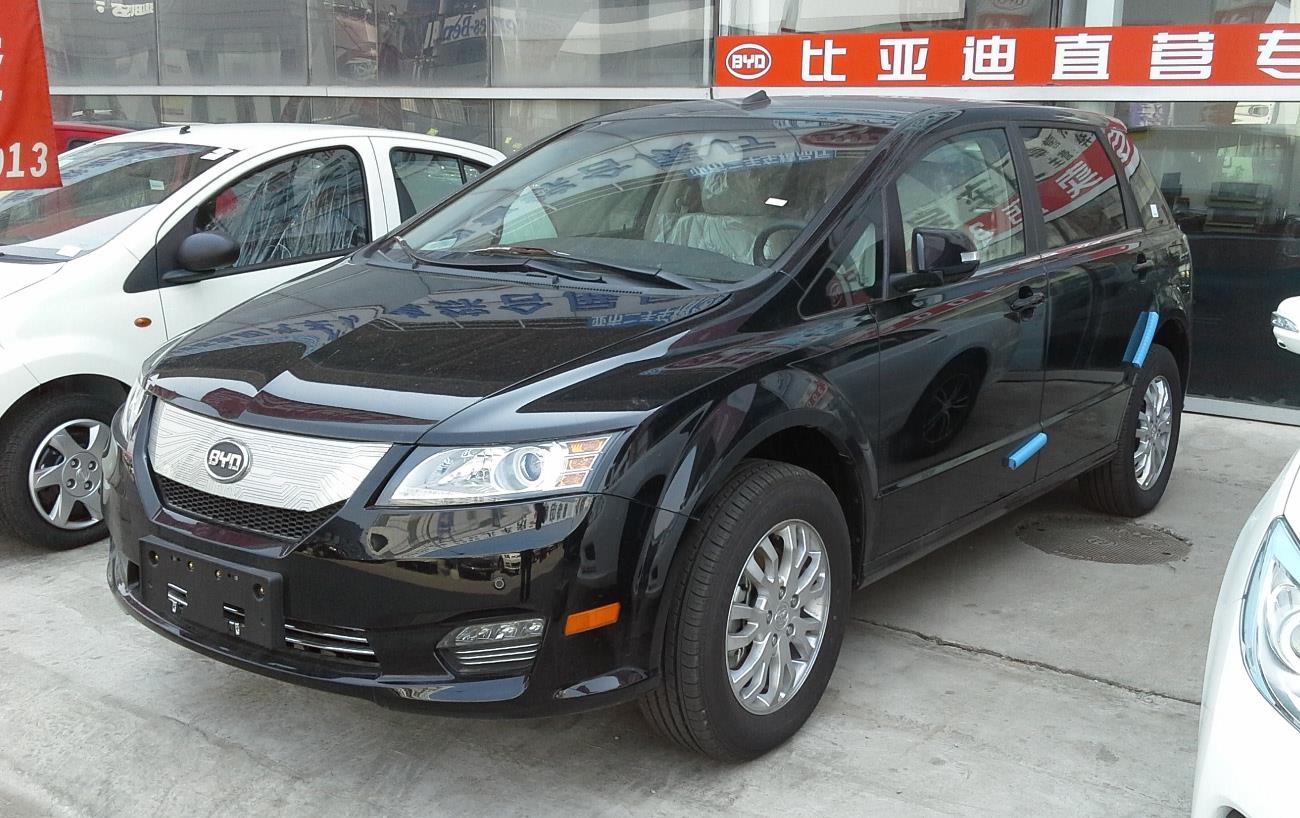
The BYD e6, an all-electric MPV manufactured by BYD Auto. Photo: Wikimedia Commons
Striking for wages and security against Detroit's“Big Three” car manufacturers, the United Auto Workers trade union claims that the transition endangers 35,000 jobs among its 150,000 members.
Meanwhile, upstart firms, exemplified by Tesla, Rivian and SK On, are hiring non-union workers from outside the established industry, while Ford and its counterparts are building EV and battery plants in right-to-work states outside the
United Auto Workers' purview . On top of these disruptions comes the threat of new competition from Chinese automakers.
The US government wants
two-thirds of new cars
sold in 2032 to be electric. The European Union is even more ambitious, wanting all new cars sold to be electric from 2035. But neither wants to import EVs from China.
Yet with generous subsidies, abundant engineering talent, a flair for innovation, a huge domestic market and public support for decarbonization, China has become the dominant producer of low-cost EVs.
The BYD e6, an all-electric MPV manufactured by BYD Auto. Photo: Wikimedia Commons
In 2022, China produced almost 60% of the world's EVs - both battery-electric vehicles and plug-in hybrid vehicles. In 2023, production is expected to reach 8 million units, or 25 % of all cars sold in China compared with 22 % in the European Union, just 6 % in the United States, and a measly 3 % in Japan.

Legal Disclaimer:
MENAFN provides the
information “as is” without warranty of any kind. We do not accept
any responsibility or liability for the accuracy, content, images,
videos, licenses, completeness, legality, or reliability of the information
contained in this article. If you have any complaints or copyright
issues related to this article, kindly contact the provider above.
Most popular stories
Market Research

More Story







Comments
No comment