




403
Sorry!!
Error! We're sorry, but the page you were looking for doesn't exist.
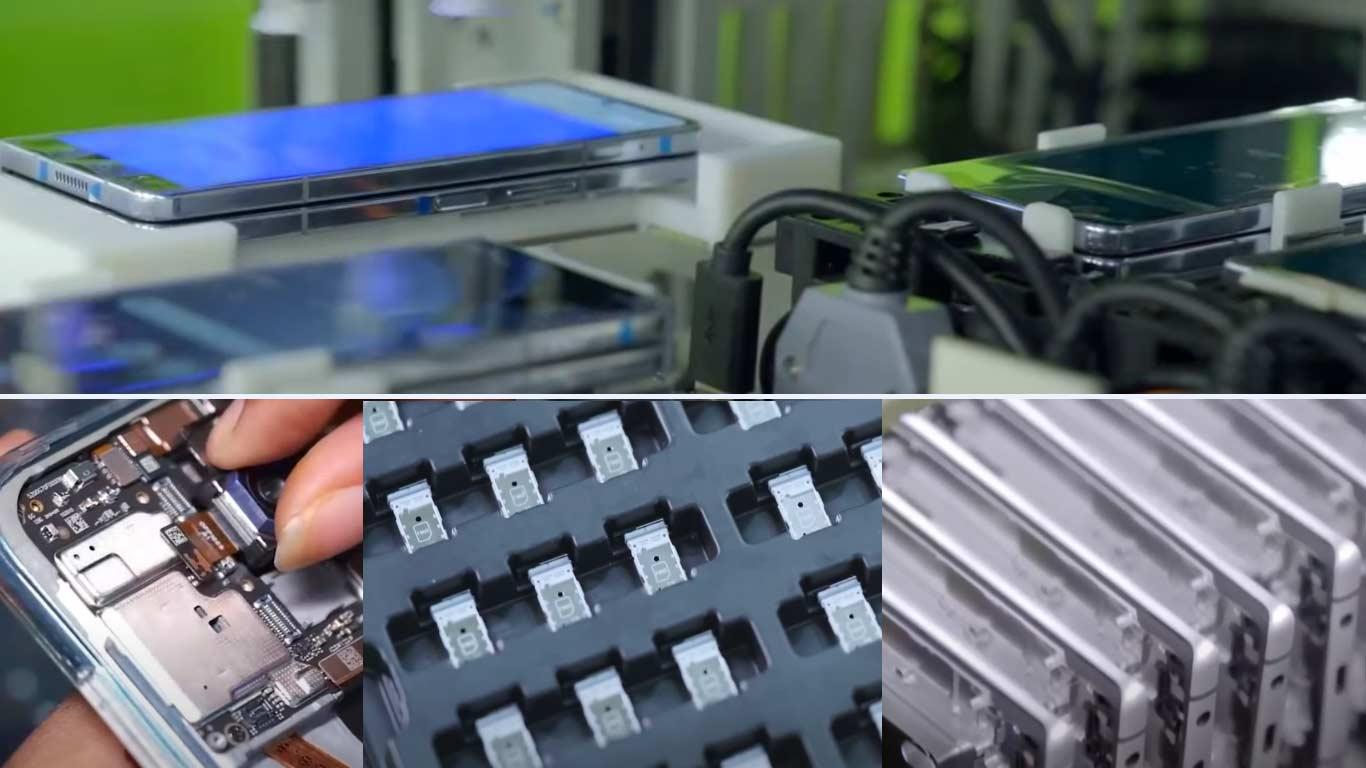
GTRI Warns Against Tariff Cuts On Smartphone Components In Budget 2025-26
(MENAFN- KNN India)
New Delhi, Jan 8 (KNN) New Delhi-based think tank Global Trade Research Initiative (GTRI) has urged the government to reconsider potential tariff reductions on smartphone components in the upcoming Union Budget 2025-26.
The warning comes amid growing industry lobbying for relaxed duties to boost the electronics sector.
GTRI's analysis reveals that slashing tariffs could harm India's burgeoning electronics ecosystem, hinder investments, and derail the goal of self-reliance.
"India's smartphone manufacturing success stems from policies encouraging local production through tariffs, incentives, and phased programs," said Ajay Srivastava, co-founder of GTRI. "Lowering tariffs risks reducing local firms to mere assembly units, threatening jobs and long-term competitiveness."
The think tank highlighted that current export promotion schemes already allow duty-free imports for manufacturing exports, benefiting major players like Apple and Samsung.
Additional duty cuts, it argued, would not drive exports further but could exacerbate India's dependency on foreign suppliers as electronics imports are already climbing.
India has emerged as a global hub for smartphone manufacturing, producing USD 49.2 billion worth of smartphones in FY2024.
Xiaomi, Vivo, and Samsung led production, contributing 20.7 per cent, 18.23 per cent, and 13.69 per cent of total output, respectively.
Meanwhile, exports are surging, growing from USD 4.8 billion in FY2022 to USD 15.6 billion in FY2024, with projections reaching USD 18.3 billion for FY2025.
The USA, EU, and UAE dominate India's smartphone export markets, accounting for nearly 90 per cent of shipments. Apple and Samsung lead the charge, with Apple's iPhone exports valued at USD 10.2 billion-65 per cent of the total-while Samsung contributed USD 3.5 billion.
Smartphones have become India's fourth-largest export item by value, following diesel, aviation fuel, and cut diamonds. Experts caution that weakening the current policy framework could jeopardise this critical sector's growth trajectory.
As the Budget draws near, GTRI's findings serve as a timely reminder of the delicate balance between fostering innovation and maintaining robust domestic manufacturing.
The government now faces a pivotal choice that could shape the future of India's electronics industry.
(KNN Bureau)

Legal Disclaimer:
MENAFN provides the
information “as is” without warranty of any kind. We do not accept
any responsibility or liability for the accuracy, content, images,
videos, licenses, completeness, legality, or reliability of the information
contained in this article. If you have any complaints or copyright
issues related to this article, kindly contact the provider above.
Most popular stories
Market Research

More Story








Comments
No comment