




403
Sorry!!
Error! We're sorry, but the page you were looking for doesn't exist.
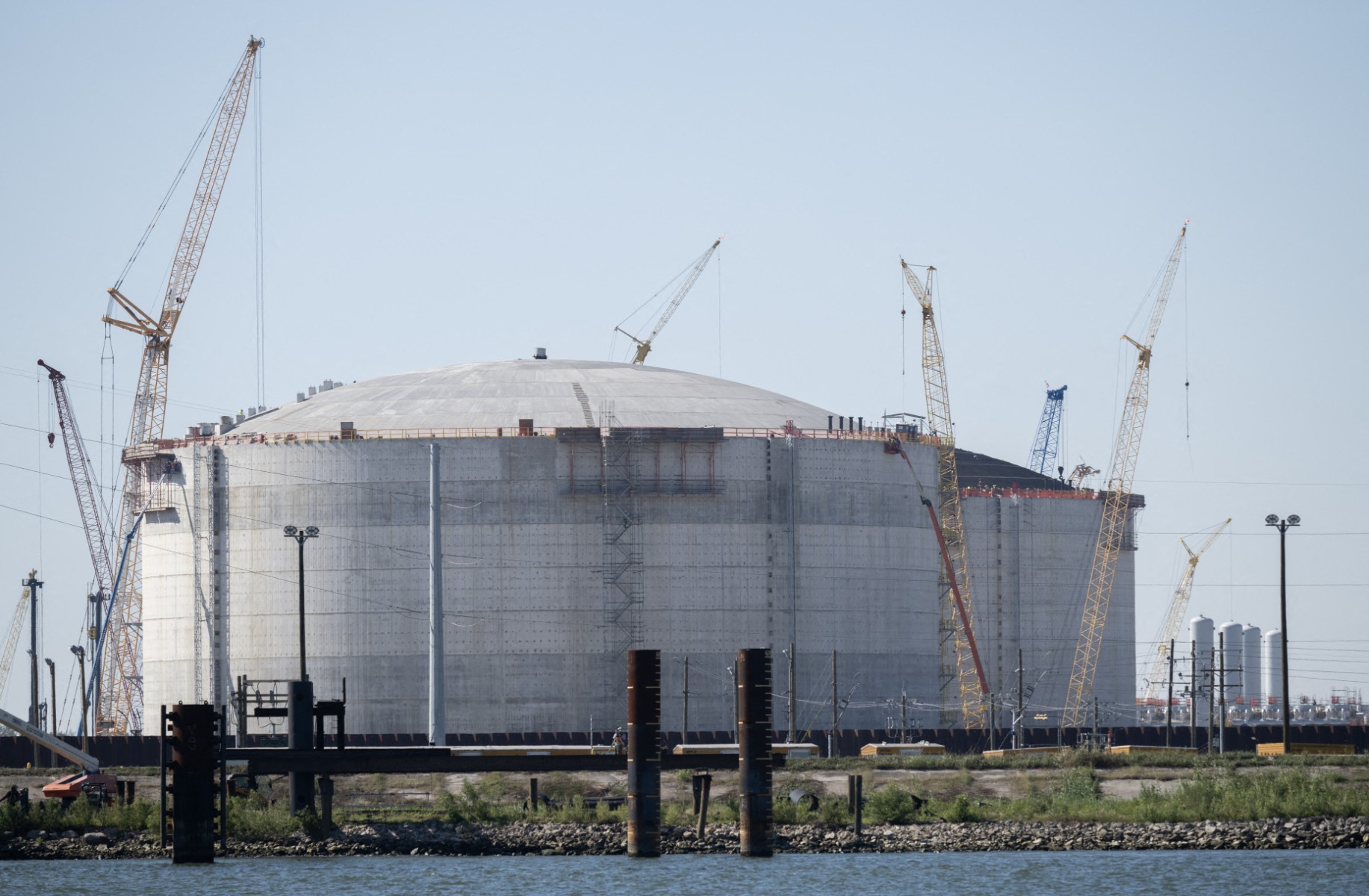
Oil prices reach 7-month lows amid weak global economic indicators
(MENAFN) Oil prices concluded last week with notable declines, hitting their lowest levels since January. This downturn was primarily driven by data indicating a greater-than-expected slowdown in U.S. job growth for July, which raised concerns about a potential recession. Additionally, economic data from China, the world's largest oil importer, added to the pressure on prices, highlighting the fragility of the global economic recovery.
On Friday, Brent crude futures fell by USD2.71, or 3.41 percent, settling at USD76.81 per barrel, culminating in a weekly loss of 4.3 percent. Similarly, U.S. West Texas Intermediate (WTI) crude futures dropped USD2.79, or 3.66 percent, ending at USD73.52 per barrel and marking a weekly decline of 4.7 percent. The U.S. unemployment rate rose to 4.3 percent in July, suggesting potential recessionary trends that could further dampen oil demand.
Contributing to the decline, economic data from China indicated a slowdown in manufacturing activity, exacerbating concerns about future demand growth. Reports showed that China's imports and refinery activities had decreased compared to the previous year, reflecting weaker industrial output. This trend was mirrored in other regions, with surveys highlighting sluggish manufacturing activity in the United States, Europe, and Asia, thereby increasing the risk that a weak global economic recovery could negatively impact oil consumption.
Further compounding the issue, the London Stock Exchange Group's oil research division reported that crude oil imports in Asia had fallen to their lowest level in two years in July, driven by reduced demand in China and India. Amid these developments, a meeting of OPEC+ ministers on Thursday concluded with no changes to the current oil production policy, including the alliance's plan to gradually ease production cuts starting in October.
Investors are closely monitoring geopolitical developments in the Middle East, yet analysts have noted that despite rising tensions, there have been no significant disruptions to oil supplies from the region. As a result, oil prices have continued to fall, reflecting fears of a potential full-scale war but not yet impacting the actual supply levels significantly.
On Friday, Brent crude futures fell by USD2.71, or 3.41 percent, settling at USD76.81 per barrel, culminating in a weekly loss of 4.3 percent. Similarly, U.S. West Texas Intermediate (WTI) crude futures dropped USD2.79, or 3.66 percent, ending at USD73.52 per barrel and marking a weekly decline of 4.7 percent. The U.S. unemployment rate rose to 4.3 percent in July, suggesting potential recessionary trends that could further dampen oil demand.
Contributing to the decline, economic data from China indicated a slowdown in manufacturing activity, exacerbating concerns about future demand growth. Reports showed that China's imports and refinery activities had decreased compared to the previous year, reflecting weaker industrial output. This trend was mirrored in other regions, with surveys highlighting sluggish manufacturing activity in the United States, Europe, and Asia, thereby increasing the risk that a weak global economic recovery could negatively impact oil consumption.
Further compounding the issue, the London Stock Exchange Group's oil research division reported that crude oil imports in Asia had fallen to their lowest level in two years in July, driven by reduced demand in China and India. Amid these developments, a meeting of OPEC+ ministers on Thursday concluded with no changes to the current oil production policy, including the alliance's plan to gradually ease production cuts starting in October.
Investors are closely monitoring geopolitical developments in the Middle East, yet analysts have noted that despite rising tensions, there have been no significant disruptions to oil supplies from the region. As a result, oil prices have continued to fall, reflecting fears of a potential full-scale war but not yet impacting the actual supply levels significantly.

Legal Disclaimer:
MENAFN provides the
information “as is” without warranty of any kind. We do not accept
any responsibility or liability for the accuracy, content, images,
videos, licenses, completeness, legality, or reliability of the information
contained in this article. If you have any complaints or copyright
issues related to this article, kindly contact the provider above.
Most popular stories
Market Research

More Story








Comments
No comment