




403
Sorry!!
Error! We're sorry, but the page you were looking for doesn't exist.
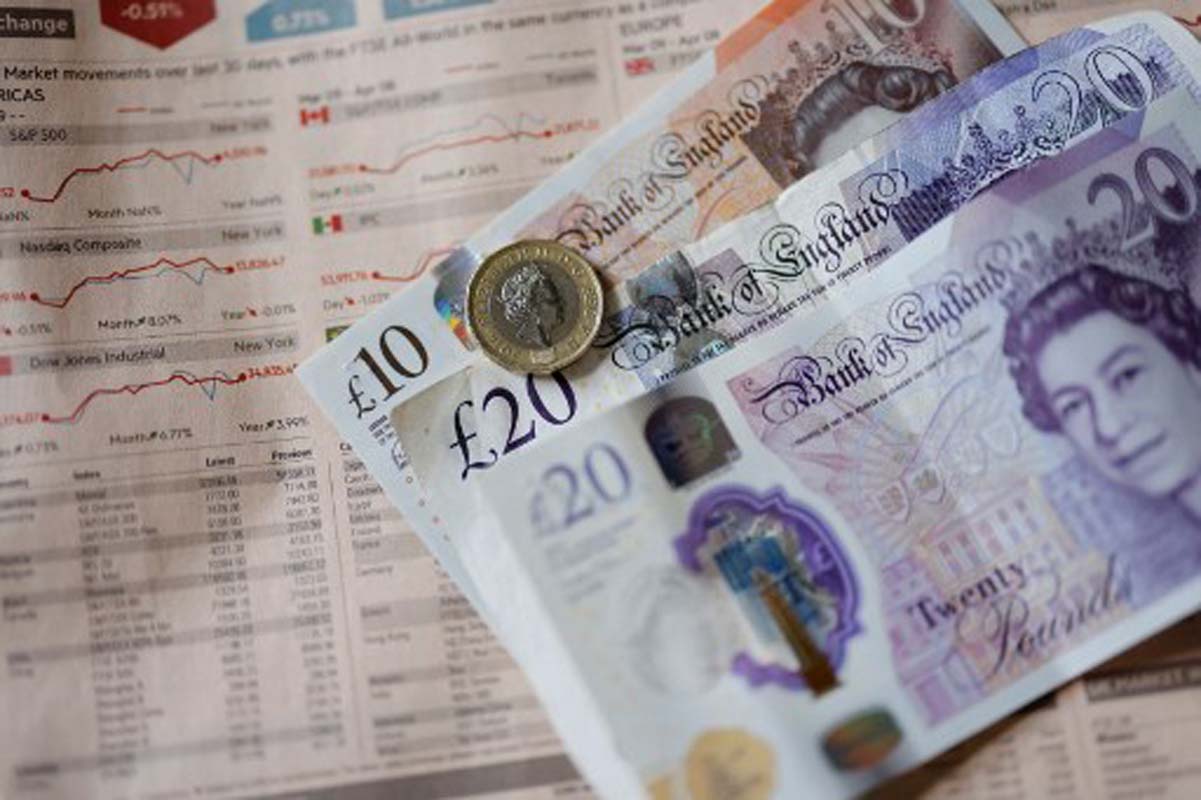
British pound faces continued decline amid strong dollar, UK market challenges
(MENAFN) The British pound has continued its downward trend, dropping for a sixth straight day due to the dollar's strength and ongoing worries about UK assets.
Sterling slipped 0.4 percent to USD1.2156, following a tough week where it reached a 14-month low of USD1.2097 on Monday.
This decline coincides with the US dollar nearing its highest level in over two years against a group of major currencies.
Stronger-than-expected US economic data has led traders to lower their expectations for Federal Reserve rate cuts, boosting the dollar's appeal and pressuring other currencies.
The pound's struggles have been mirrored by a turbulent week for UK government bonds, known as gilts.
Global market volatility last week sparked a sell-off in gilts, causing yields to surge significantly.
The yield on 30-year gilts climbed to its highest point since 1998, reflecting mounting concerns about the UK’s fiscal health and economic prospects.
In the midst of this turmoil, the UK government issued £1 billion in inflation-linked bonds under the priciest conditions seen in over 19 years, highlighting the financial strain on taxpayers caused by soaring borrowing costs.
Sterling slipped 0.4 percent to USD1.2156, following a tough week where it reached a 14-month low of USD1.2097 on Monday.
This decline coincides with the US dollar nearing its highest level in over two years against a group of major currencies.
Stronger-than-expected US economic data has led traders to lower their expectations for Federal Reserve rate cuts, boosting the dollar's appeal and pressuring other currencies.
The pound's struggles have been mirrored by a turbulent week for UK government bonds, known as gilts.
Global market volatility last week sparked a sell-off in gilts, causing yields to surge significantly.
The yield on 30-year gilts climbed to its highest point since 1998, reflecting mounting concerns about the UK’s fiscal health and economic prospects.
In the midst of this turmoil, the UK government issued £1 billion in inflation-linked bonds under the priciest conditions seen in over 19 years, highlighting the financial strain on taxpayers caused by soaring borrowing costs.

Legal Disclaimer:
MENAFN provides the
information “as is” without warranty of any kind. We do not accept
any responsibility or liability for the accuracy, content, images,
videos, licenses, completeness, legality, or reliability of the information
contained in this article. If you have any complaints or copyright
issues related to this article, kindly contact the provider above.
Most popular stories
Market Research

More Story








Comments
No comment