




403
Sorry!!
Error! We're sorry, but the page you were looking for doesn't exist.
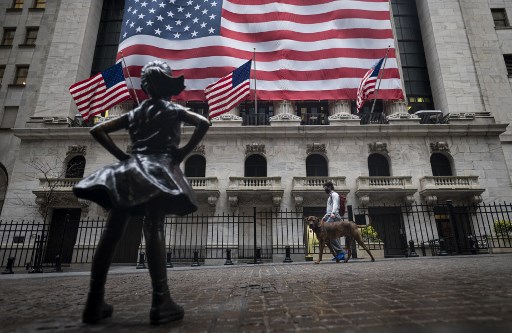
US shares end Wednesday lower amid inflation concerns, economic data
(MENAFN) US stocks ended lower on Wednesday as new economic data raised concerns about inflation's progress toward the Federal Reserve's target. The Dow Jones Industrial Average fell by 138.25 points, or 0.31 percent, to 44,722.06, while the S&P 500 dropped 22.89 points, or 0.38 percent, to 5,998.74. The Nasdaq Composite also lost 115.10 points, or 0.60 percent, closing at 19,060.48.
Seven of the 11 primary S&P 500 sectors ended in the red, with technology and consumer discretionary stocks leading the decline, losing 1.19 percent and 0.69 percent, respectively. On the other hand, real estate and healthcare sectors posted gains, rising by 0.67 percent and 0.47 percent, respectively.
The Federal Reserve's preferred inflation gauge, the core personal consumption expenditures (PCE) index, showed a 0.3 percent monthly increase, matching September's pace and Wall Street's expectations. However, on an annual basis, core prices rose 2.8 percent, slightly above September's 2.7 percent, signaling that the pace of inflation reduction may be slowing. This has raised uncertainty over the Fed's next moves, with traders now seeing a 34 percent chance that the Fed will hold rates steady at its December meeting, up from 24 percent a month ago.
In other economic updates, the second estimate of third-quarter GDP confirmed the US economy grew at an annualized rate of 2.8 percent, in line with the previous estimate. Meanwhile, weekly jobless claims remained low, with 213,000 claims filed in the week ending November 23, a slight decrease from the previous week's 215,000, indicating continued strength in the labor market.
Seven of the 11 primary S&P 500 sectors ended in the red, with technology and consumer discretionary stocks leading the decline, losing 1.19 percent and 0.69 percent, respectively. On the other hand, real estate and healthcare sectors posted gains, rising by 0.67 percent and 0.47 percent, respectively.
The Federal Reserve's preferred inflation gauge, the core personal consumption expenditures (PCE) index, showed a 0.3 percent monthly increase, matching September's pace and Wall Street's expectations. However, on an annual basis, core prices rose 2.8 percent, slightly above September's 2.7 percent, signaling that the pace of inflation reduction may be slowing. This has raised uncertainty over the Fed's next moves, with traders now seeing a 34 percent chance that the Fed will hold rates steady at its December meeting, up from 24 percent a month ago.
In other economic updates, the second estimate of third-quarter GDP confirmed the US economy grew at an annualized rate of 2.8 percent, in line with the previous estimate. Meanwhile, weekly jobless claims remained low, with 213,000 claims filed in the week ending November 23, a slight decrease from the previous week's 215,000, indicating continued strength in the labor market.

Legal Disclaimer:
MENAFN provides the
information “as is” without warranty of any kind. We do not accept
any responsibility or liability for the accuracy, content, images,
videos, licenses, completeness, legality, or reliability of the information
contained in this article. If you have any complaints or copyright
issues related to this article, kindly contact the provider above.
Most popular stories
Market Research

More Story








Comments
No comment