




403
Sorry!!
Error! We're sorry, but the page you were looking for doesn't exist.
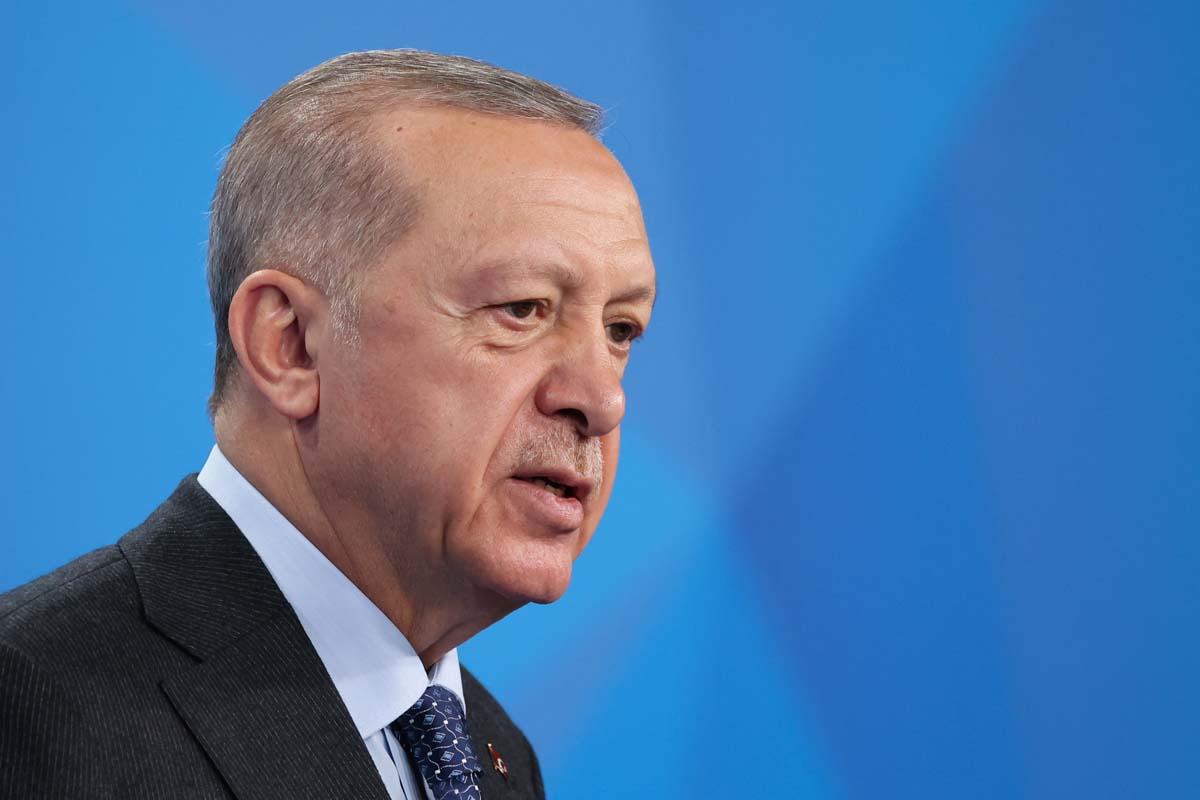
Terrorist attack in Ankara gets considered as message for Erdogan
(MENAFN) As President Recep Tayyip Erdogan arrived in Kazan for the BRICS summit, a chilling terrorist attack unfolded in Ankara, targeting the headquarters of the aerospace company TUSAŞ. The assault was carried out by three terrorists, including a woman, who were heavily armed with firearms and explosives. The incident resulted in the tragic deaths of five individuals, with over twenty others sustaining serious injuries.
Initial footage from security cameras revealed that the attack coincided with a shift change among security personnel, allowing the assailants to breach the facility. During the chaos, some terrorists gained access to the building and took hostages, who were subsequently rescued by special forces. All attackers were neutralized in the operation. In response to the attack, Russian President Vladimir Putin extended his condolences to Erdogan and condemned the violent act. Erdogan characterized the assault on TUSAŞ as an attack on Turkey's sovereignty and reaffirmed his commitment to combating terrorism.
Turkish Interior Minister Ali Yerlikaya announced that one of the attackers had been identified as a member of the Kurdistan Workers' Party (PKK), a group designated as a terrorist organization by the Turkish government. Following the attack, the Turkish Air Force conducted airstrikes against PKK positions in northern Iraq and Syria. The Ministry of National Defense confirmed that 32 targets were struck, stating that these actions were taken in line with Turkey's right to self-defense as outlined in Article 51 of the UN Charter.
This violent incident not only highlights the ongoing security challenges Turkey faces but also raises questions about the broader implications for Erdogan's leadership amidst international diplomatic engagements. As the country grapples with both external threats and internal pressures, the attack serves as a stark reminder of the complexities Erdogan must navigate while representing Turkey on the global stage.
Initial footage from security cameras revealed that the attack coincided with a shift change among security personnel, allowing the assailants to breach the facility. During the chaos, some terrorists gained access to the building and took hostages, who were subsequently rescued by special forces. All attackers were neutralized in the operation. In response to the attack, Russian President Vladimir Putin extended his condolences to Erdogan and condemned the violent act. Erdogan characterized the assault on TUSAŞ as an attack on Turkey's sovereignty and reaffirmed his commitment to combating terrorism.
Turkish Interior Minister Ali Yerlikaya announced that one of the attackers had been identified as a member of the Kurdistan Workers' Party (PKK), a group designated as a terrorist organization by the Turkish government. Following the attack, the Turkish Air Force conducted airstrikes against PKK positions in northern Iraq and Syria. The Ministry of National Defense confirmed that 32 targets were struck, stating that these actions were taken in line with Turkey's right to self-defense as outlined in Article 51 of the UN Charter.
This violent incident not only highlights the ongoing security challenges Turkey faces but also raises questions about the broader implications for Erdogan's leadership amidst international diplomatic engagements. As the country grapples with both external threats and internal pressures, the attack serves as a stark reminder of the complexities Erdogan must navigate while representing Turkey on the global stage.

Legal Disclaimer:
MENAFN provides the
information “as is” without warranty of any kind. We do not accept
any responsibility or liability for the accuracy, content, images,
videos, licenses, completeness, legality, or reliability of the information
contained in this article. If you have any complaints or copyright
issues related to this article, kindly contact the provider above.
Most popular stories
Market Research

More Story
Comments
No comment