





403
Sorry!!
Error! We're sorry, but the page you were looking for doesn't exist.
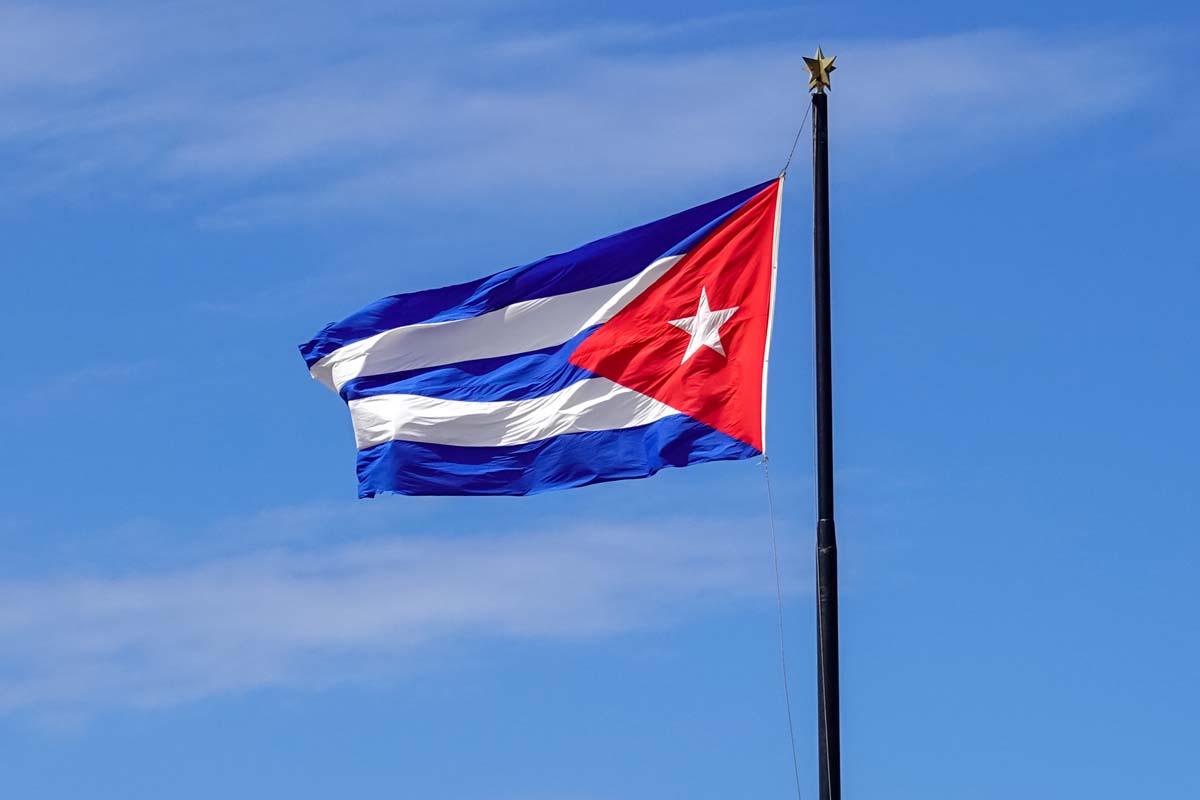
Cuba strongly criticizes US law over Bacardi's Havana Club rum trademark
(MENAFN) Cuba has strongly criticized a new U.S. law, describing it as a "theft of Cuban trademarks," as it secures Bacardi's claim to the Havana Club rum trademark in the U.S. market amidst a long-standing legal battle. The Cuban Ministry of Foreign Affairs issued an official statement on Tuesday, categorically rejecting the so-called "Law to Not Recognize Stolen Trademarks in the United States," recently signed by U.S. President Joe Biden.
The law grants Bacardi, a Bermuda-based spirits company that left Cuba in 1959, sole rights to sell Havana Club-branded rum produced in Puerto Rico in the U.S. market. For over two decades, the Cuban government has been in legal disputes with Bacardi over the trademark rights, with Cuba-made Havana Club rum unable to access the U.S. market due to the longstanding U.S. trade embargo, economic blockade, and financial sanctions imposed on Cuba since 1962.
Cuba’s statement condemned the new legislation as a "unilateral coercive measure" that further strengthens the economic blockade against the island. It argued that the law undermines the international system of industrial property protection and reflects the U.S.'s disregard for international legal institutions. The Cuban government claimed that the law violates both the Agreement on Trade-Related Aspects of Intellectual Property Rights and the Paris Convention for the Protection of Industrial Property, reinforcing the ongoing tensions between the two nations over trade and intellectual property rights.
The law grants Bacardi, a Bermuda-based spirits company that left Cuba in 1959, sole rights to sell Havana Club-branded rum produced in Puerto Rico in the U.S. market. For over two decades, the Cuban government has been in legal disputes with Bacardi over the trademark rights, with Cuba-made Havana Club rum unable to access the U.S. market due to the longstanding U.S. trade embargo, economic blockade, and financial sanctions imposed on Cuba since 1962.
Cuba’s statement condemned the new legislation as a "unilateral coercive measure" that further strengthens the economic blockade against the island. It argued that the law undermines the international system of industrial property protection and reflects the U.S.'s disregard for international legal institutions. The Cuban government claimed that the law violates both the Agreement on Trade-Related Aspects of Intellectual Property Rights and the Paris Convention for the Protection of Industrial Property, reinforcing the ongoing tensions between the two nations over trade and intellectual property rights.

Legal Disclaimer:
MENAFN provides the
information “as is” without warranty of any kind. We do not accept
any responsibility or liability for the accuracy, content, images,
videos, licenses, completeness, legality, or reliability of the information
contained in this article. If you have any complaints or copyright
issues related to this article, kindly contact the provider above.
Most popular stories
Market Research

More Story








Comments
No comment