










403
Sorry!!
Error! We're sorry, but the page you were looking for doesn't exist.
US Anti-Personnel Mines To Ukraine Both Desperate And Depressing
(MENAFN- Asia Times)
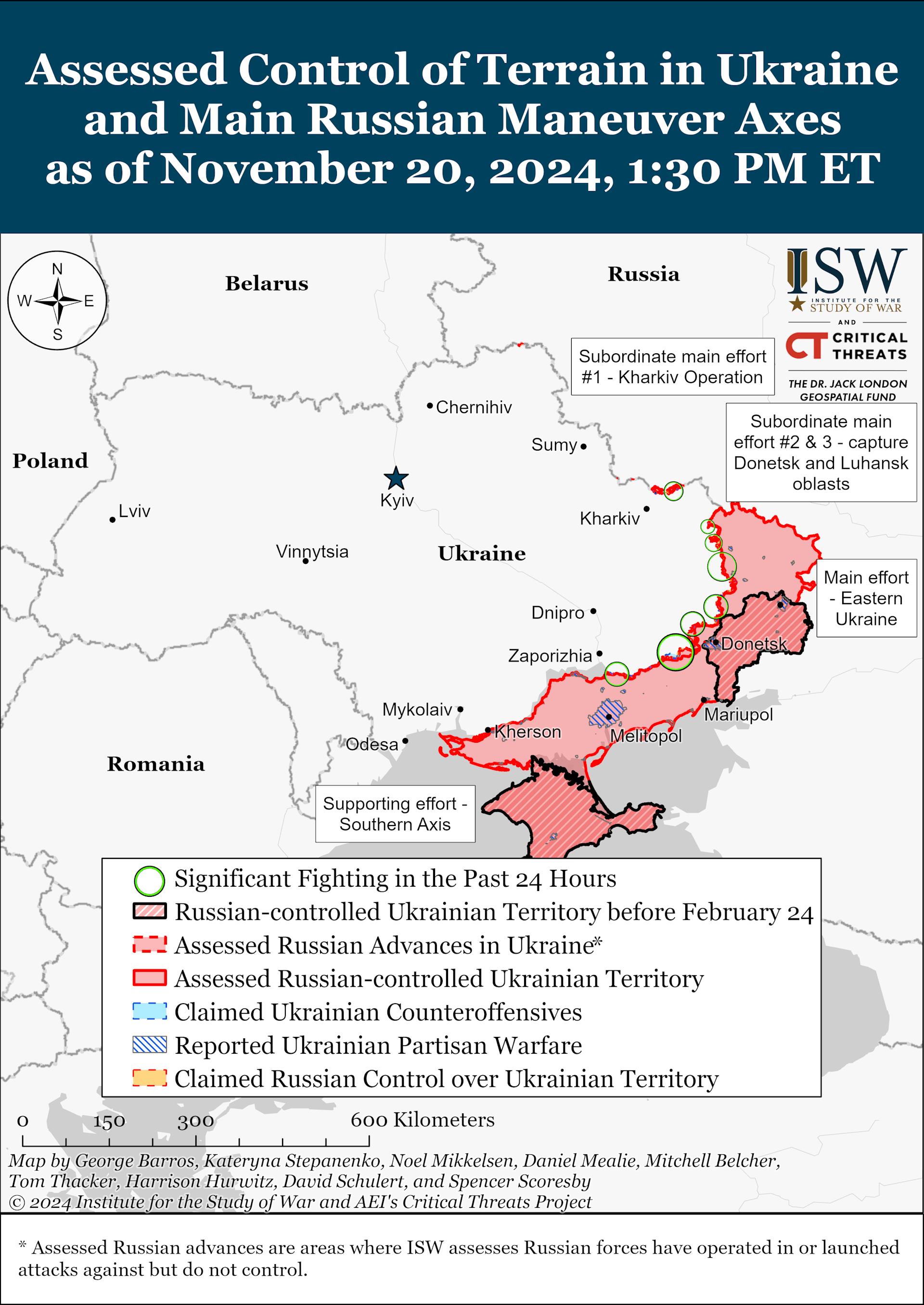
In the final weeks of his presidency, Joe Biden, has agreed to give Ukraine a further hand in shaping the land war against the Russians.
On October 17, he granted permission for Ukraine's armed forces to use the long-range ATACMS missiles against targets in Russia, a move that prompted the UK to do the same. Ukraine has reacted by using both countries' missiles in attacks on Russian soil, prompting a stern warning from Moscow.
The Russian president, Vladimir Putin, subsequently signed off on changes to Russia's nuclear doctrine , which makes it easier for Russia to launch a first strike.
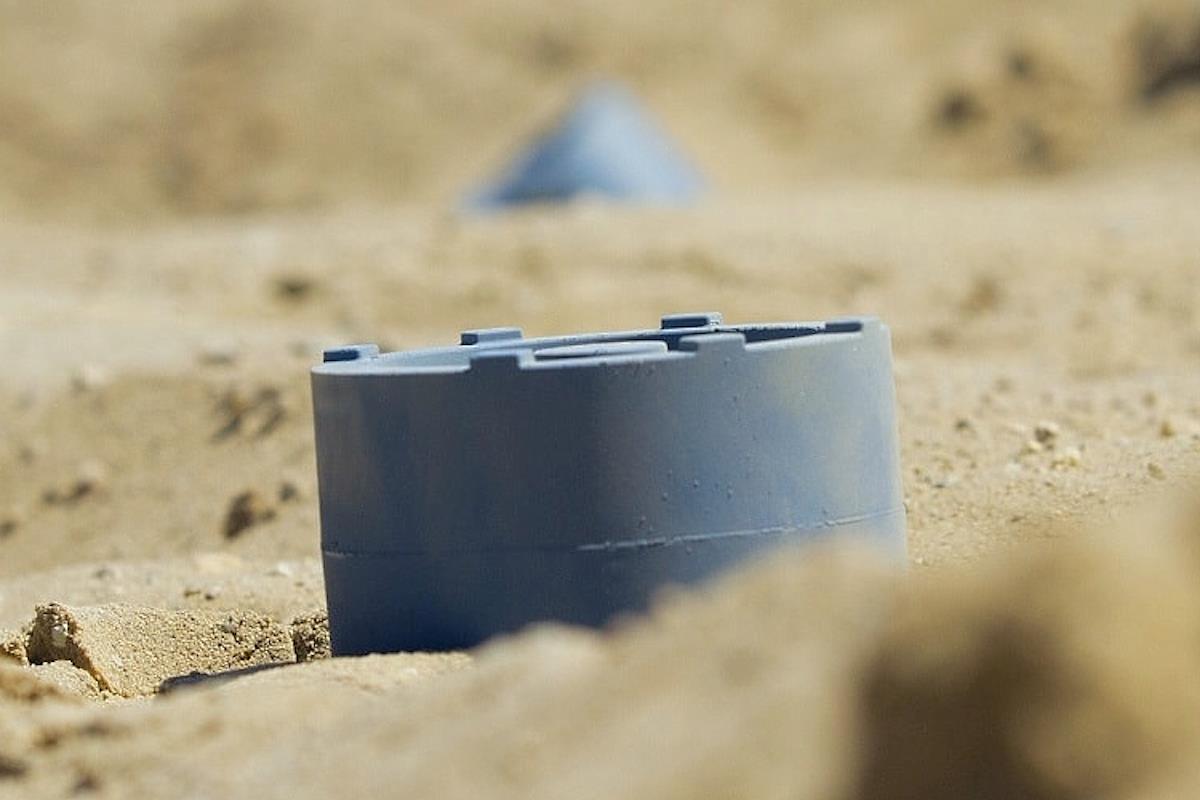
But Biden's decision to send anti-personnel mines (APLs) to Ukraine to help it shore up its defenses against the relentless Russian offensive has sparked controversy. These landmines are reported to be“non-persistent,” meaning they can be set to be active for a limited amount of time and deactivated once their batteries fail.
But in an era when the use of anti-personnel mines carries such a taboo – 164 countries (but not the US or Russia) are signatories to the Ottawa Convention (also known as the mine ban treaty) that prohibits the use, stockpiling or transfer of APLs – the move has been condemned by international humanitarian organizations.
Details have yet to emerge as to what sort of landmines have been promised to Ukraine by the US except that they are non-persistent APLs. The US has several APL and non-persistent landmine systems as well as mixed APL and anti-tank (AT) systems.

Legal Disclaimer:
MENAFN provides the
information “as is” without warranty of any kind. We do not accept
any responsibility or liability for the accuracy, content, images,
videos, licenses, completeness, legality, or reliability of the information
contained in this article. If you have any complaints or copyright
issues related to this article, kindly contact the provider above.
Most popular stories
Market Research

More Story







Comments
No comment