




403
Sorry!!
Error! We're sorry, but the page you were looking for doesn't exist.
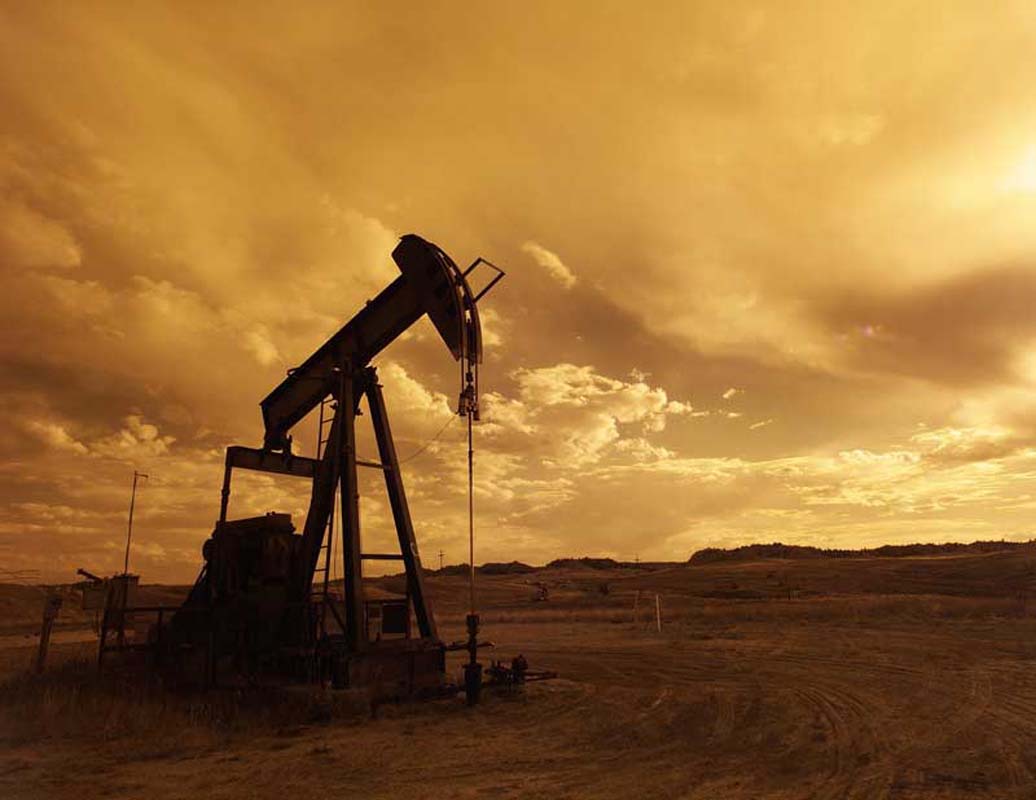
Oil rates fall for 4th consecutive week amid China demand concerns
(MENAFN) Oil prices fell for the fourth consecutive week ending August 2, driven by concerns about demand in China. Brent crude, the international benchmark, was trading at USD79.41 per barrel, down 1.1 percent from the previous week’s close of USD80.28. West Texas Intermediate (WTI), the American benchmark, was at USD76.25 per barrel, a decline of 1.2 percent from the previous week's USD77.16.
The drop in oil prices was largely attributed to signs of a slowdown in China's economic recovery, the world’s largest oil importer. China's GDP growth of 4.7 percent for the second quarter of 2024 fell short of market expectations, coupled with a decline in oil imports. This uncertainty about future oil demand in China contributed to the downward pressure on prices.
However, mid-week events provided some support to oil prices. The assassination of Ismail Haniyeh, the head of Hamas’s political bureau, by an Israeli airstrike in Tehran, along with ongoing geopolitical tensions in the Middle East, raised concerns about supply risks in the oil-rich region. Additionally, decisions by some central banks, including potential rate cuts by the US Federal Reserve, supported expectations of stronger economic activity and higher oil demand. Federal Reserve Chair Jerome Powell hinted at a possible interest rate cut in September, which helped buoy oil prices.
The drop in oil prices was largely attributed to signs of a slowdown in China's economic recovery, the world’s largest oil importer. China's GDP growth of 4.7 percent for the second quarter of 2024 fell short of market expectations, coupled with a decline in oil imports. This uncertainty about future oil demand in China contributed to the downward pressure on prices.
However, mid-week events provided some support to oil prices. The assassination of Ismail Haniyeh, the head of Hamas’s political bureau, by an Israeli airstrike in Tehran, along with ongoing geopolitical tensions in the Middle East, raised concerns about supply risks in the oil-rich region. Additionally, decisions by some central banks, including potential rate cuts by the US Federal Reserve, supported expectations of stronger economic activity and higher oil demand. Federal Reserve Chair Jerome Powell hinted at a possible interest rate cut in September, which helped buoy oil prices.

Legal Disclaimer:
MENAFN provides the
information “as is” without warranty of any kind. We do not accept
any responsibility or liability for the accuracy, content, images,
videos, licenses, completeness, legality, or reliability of the information
contained in this article. If you have any complaints or copyright
issues related to this article, kindly contact the provider above.
Most popular stories
Market Research

More Story








Comments
No comment