



403
Sorry!!
Error! We're sorry, but the page you were looking for doesn't exist.
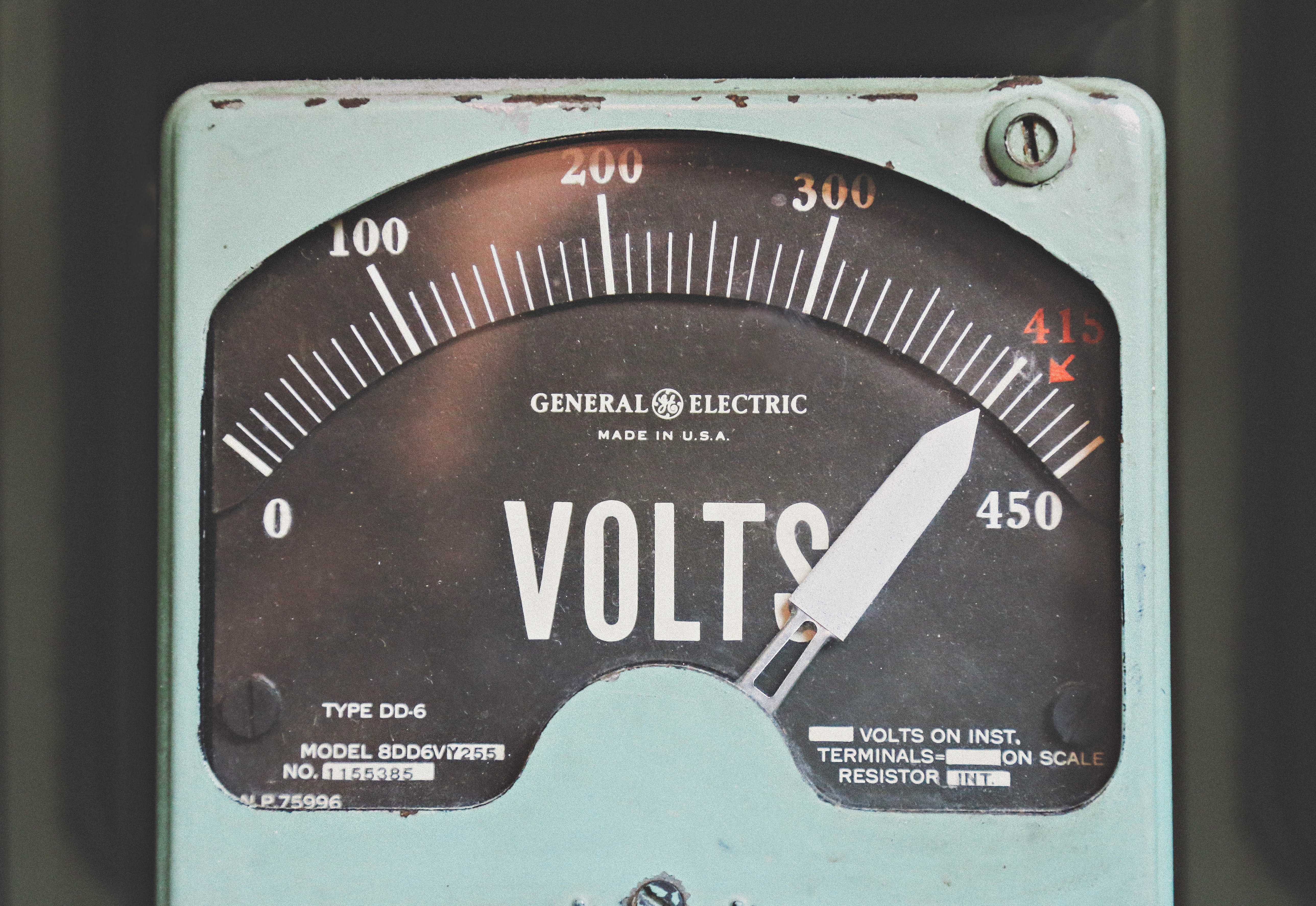
EU Energy Commissioner advises Hungary to reduce reliance on Russian energy
(MENAFN) EU Energy Commissioner Kadri Simson, speaking at the Sustainability Future Week summit in Brussels on Tuesday, emphasized the need for Hungary to reduce its reliance on Russian energy.
As reported by the bloc’s energy head, it is “not [in Hungary’s] interest to continue this dependence.”
“Even Hungary knows that by continuing this activity, they grant Russia the right to manipulate their market,” Simson declared.
Under a 15-year contract with Gazprom, Hungary persists in purchasing Russian gas, meeting 85 percent of the country's energy requirements. Additionally, Hungary continues to acquire Russian oil, benefiting from an exemption from sanctions imposed by Brussels. Notably, Budapest and Moscow are actively collaborating on the development of new reactors for Hungary's Paks-2 nuclear power plant.
“Our clear request to [Hungary] is that like other member states, who are still using Russian technology, that nuclear fleet, they have to prepare a plan how to diversify,” Simson noted.
These recent statements from Kadri Simson are part of a recurring pattern of similar calls. Hungarian officials have consistently acknowledged that the country's strong ties with Russia have faced opposition and criticism within the EU. Despite pressure from EU counterparts to sever connections with Moscow, Budapest has remained steadfast, pledging to resist any sanctions that could affect gas supplies and nuclear energy.
As reported by the bloc’s energy head, it is “not [in Hungary’s] interest to continue this dependence.”
“Even Hungary knows that by continuing this activity, they grant Russia the right to manipulate their market,” Simson declared.
Under a 15-year contract with Gazprom, Hungary persists in purchasing Russian gas, meeting 85 percent of the country's energy requirements. Additionally, Hungary continues to acquire Russian oil, benefiting from an exemption from sanctions imposed by Brussels. Notably, Budapest and Moscow are actively collaborating on the development of new reactors for Hungary's Paks-2 nuclear power plant.
“Our clear request to [Hungary] is that like other member states, who are still using Russian technology, that nuclear fleet, they have to prepare a plan how to diversify,” Simson noted.
These recent statements from Kadri Simson are part of a recurring pattern of similar calls. Hungarian officials have consistently acknowledged that the country's strong ties with Russia have faced opposition and criticism within the EU. Despite pressure from EU counterparts to sever connections with Moscow, Budapest has remained steadfast, pledging to resist any sanctions that could affect gas supplies and nuclear energy.

Legal Disclaimer:
MENAFN provides the
information “as is” without warranty of any kind. We do not accept
any responsibility or liability for the accuracy, content, images,
videos, licenses, completeness, legality, or reliability of the information
contained in this article. If you have any complaints or copyright
issues related to this article, kindly contact the provider above.
Most popular stories
Market Research

More Story




Comments
No comment