




403
Sorry!!
Error! We're sorry, but the page you were looking for doesn't exist.
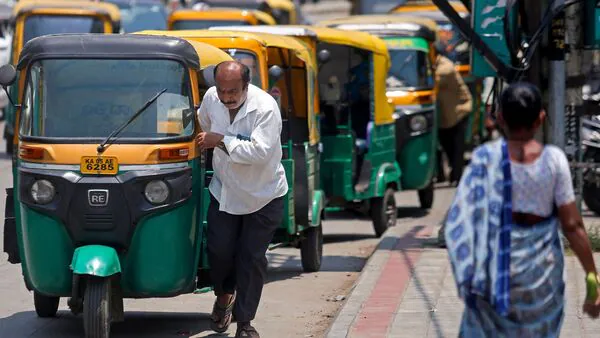
Malaysia Rolls Out WFH, China Mulls Fuel Surcharges On Domestic Flights - How Asia Is Coping With Fuel Crisis
(MENAFN- Live Mint) Governments and airlines across Asia are scrambling to contain the economic fallout of surging fuel prices triggered by the Middle East conflict, with Malaysia introducing remote work policies for civil servants and Chinese carriers moving to raise fuel surcharges.
The measures come as countries try to manage energy demand amid disruptions from the stalemate at Strait of Hormuz.
Malaysia Introduces Work-From-Home to Cut Fuel ConsumptionMalaysia will implement a work-from-home (WFH) polic from April 15 across ministries, agencies, statutory bodies and government-linked companies, Prime Minister Anwar Ibrahim announced, as the country confronts rising fuel costs.
"The cabinet has agreed to the work-from-home policy. It aims to reduce fuel consumption and ensure a stable energy supply," Anwar said during a special briefing.
Also Read | Dosa to pizza chains realize there are no easy ways out of LPG shortageThe move comes as Malaysia -heavily reliant on subsidised fuel-feels the strain of elevated crude prices. Authorities have also tightened fuel subsidies, reducing the monthly quota from 300 litres to 200 litres. Unsubsidised fuel prices will continue to track global benchmarks.
Despite the pressures, Malaysia has sought to maintain steady supply chains. Officials said national energy firms, including Petronas and Sapura Energy, have vessels awaiting clearance to pass through the Strait of Hormuz, a key chokepoint disrupted by the conflict.
China Airlines Hike Fuel Surcharges Amid Rising CostsAirlines in China have begun passing on higher fuel costs to passengers, announcing increases in surcharges on domestic routes from this week.
Major carriers, including Air China, China Southern and Xiamen Airlines, said they would raise surcharges by 60 yuan on shorter routes and 120 yuan on longer flights. Budget and regional airlines have followed suit, signalling a broader industry shift.
Also Read | LPG shortage forces India to look west-all the way to AfricaThe increases come as jet fuel prices climb in tandem with global crude, which has surged to around $100 per barrel following military escalation in the Middle East. International fares are also expected to reflect higher operating costs, though pricing structures vary.
Airlines Globally Adjust as Conflict Disrupts RoutesThe impact is not limited to Chin. Airlines worldwide-including carriers in Europe, India and Australia-have raised fares or imposed additional charges to offset fuel expenses. Some have suspended services to parts of the Middle East due to security concerns.
Hong Kong's Cathay Pacific has already increased fuel surcharges by 34 per cent, while others continue to reassess pricing amid volatile markets.
Also Read | LPG cylinder rate today after price hike: Check updated gas rates in your cityIndustry analysts note that although airlines hedge part of their fuel exposure, sustained price increases could erode margins and affect expansion plans.
Regional Governments Turn to Flexible Work PoliciesBeyond Malaysia, several Asian governments are adopting demand-side measures to conserve fuel.
Vietnam has encouraged employers to enable remote work to reduce transport-related consumption. Pakistan has introduced a four-day workweek alongside partial WFH mandates across sectors. Thailand and the Philippines are promoting flexible arrangements in the public sector, while Myanmar has imposed alternating driving days to curb fuel use.

Legal Disclaimer:
MENAFN provides the
information “as is” without warranty of any kind. We do not accept
any responsibility or liability for the accuracy, content, images,
videos, licenses, completeness, legality, or reliability of the information
contained in this article. If you have any complaints or copyright
issues related to this article, kindly contact the provider above.
Most popular stories
Market Research

More Story





Comments
No comment