




403
Sorry!!
Error! We're sorry, but the page you were looking for doesn't exist.
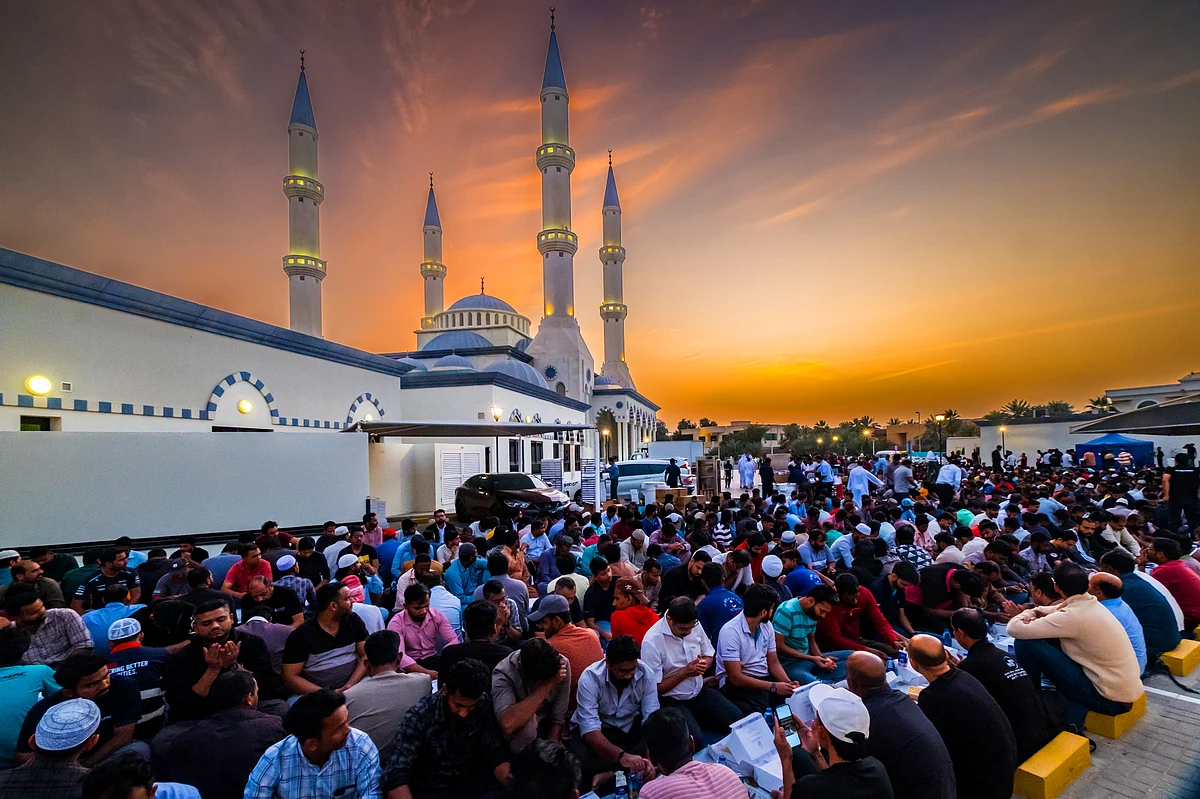
Ramadan 2026: Why What You Eat After Iftar May Matter More Than The Fast
(MENAFN- Khaleej Times) Health experts caution that many common Ramadan eating habits, particularly large evening meals, may lead to unintended health problems
source on Google
- PUBLISHED: Wed 25 Feb 2026, 12:34 PM
- By: SM Ayaz Zakir
source on Google
- Share:
While residents across the UAE experience headaches and fatigue during fasting hours in the first week of Ramadan, healthcare experts said that the bigger health risk may actually begin after sunset, when heavy meals and sugary desserts undo the benefits of a full day of fasting.
Doctors said that during Ramadan, the body undergoes significant metabolic adjustments as eating and sleeping patterns change. After long hours without food or water, blood sugar levels remain sensitive, making food choices at iftar especially important.
Recommended For You“In the first few days, the body is still adapting to prolonged fasting,” said Dr Archana Purushothaman, specialist in endocrinology, diabetes, and metabolism at Fakeeh University Hospital Dubai.
Stay up to date with the latest news. Follow KT on WhatsApp Channels.
“Blood sugar levels decline during the day, and hormones regulating energy adjust to a new rhythm. Sudden spikes caused by overeating or excessive sugar intake can place additional stress on the body," she said.
Health experts caution that many common Ramadan eating habits, particularly large evening meals, may lead to unintended health problems.
Ramadan prayer timings
According to Dr Charu Thadani, head of clinical at Cigna Healthcare Middle East, the greatest health risks during Ramadan often begin after iftar rather than during fasting hours.
“In the UAE, where around one in five adults live with diabetes, sugar-dense Ramadan desserts and oversized evening meals can trigger rapid blood sugar spikes and cardiovascular strain,” she said.
Popular treats such as luqaimat, kunafa and qatayef, often enjoyed daily during the holy month, can quickly reverse the metabolic balance achieved through fasting if consumed in excess.
“Sweets consumed frequently can negate the metabolic benefits of a full day of fasting within minutes,” added Dr Thadani.
Another commonly overlooked factor is caffeine intake late in the evening. Arabic coffee remains an important part of Ramadan hospitality, but excessive consumption at night can worsen dehydration and interfere with sleep and medication routines the following day.
Nutrition experts said that the way people break their fast also plays a major role in how they feel throughout the evening and the next day.
“Sugary drinks cause a quick spike in blood sugar followed by a crash, which increases tiredness,” said Swapna Mary John, clinical dietician at International Modern Hospital Dubai.
“Fried foods are heavy and slow to digest, often leaving people feeling sluggish instead of energized.”
She explained that balanced meals including complex carbohydrates, protein, healthy fats, and fibre, help stabilise blood sugar and prevent sudden energy crashes.
Experts also caution residents against adjusting or skipping prescribed medication schedules without medical advice during Ramadan.
“Medication during Ramadan should not be paused or improvised. Most treatments can be safely continued under medical guidance,” said Dr Thadani, adding that even individuals who are not fasting may experience metabolic changes due to altered sleep and meal timings during the holy month.
Healthcare specialists emphasise that Ramadan can be observed safely with proper planning. Moderate portions, gradual hydration between iftar and suhoor, and spacing indulgent foods rather than consuming them daily can help fasting support overall health rather than undermine it.
“The safest Ramadan is shaped by planning. Fasting should work with your health, not against it,” said Dr Thadani.
ALSO READ- Ramadan in UAE: How to get your body ready for month of fasting UAE: Changes in your body likely after Ramadan; how to regain energy, prevent muscle loss

Legal Disclaimer:
MENAFN provides the
information “as is” without warranty of any kind. We do not accept
any responsibility or liability for the accuracy, content, images,
videos, licenses, completeness, legality, or reliability of the information
contained in this article. If you have any complaints or copyright
issues related to this article, kindly contact the provider above.
Most popular stories
Market Research

More Story






Comments
No comment