




403
Sorry!!
Error! We're sorry, but the page you were looking for doesn't exist.
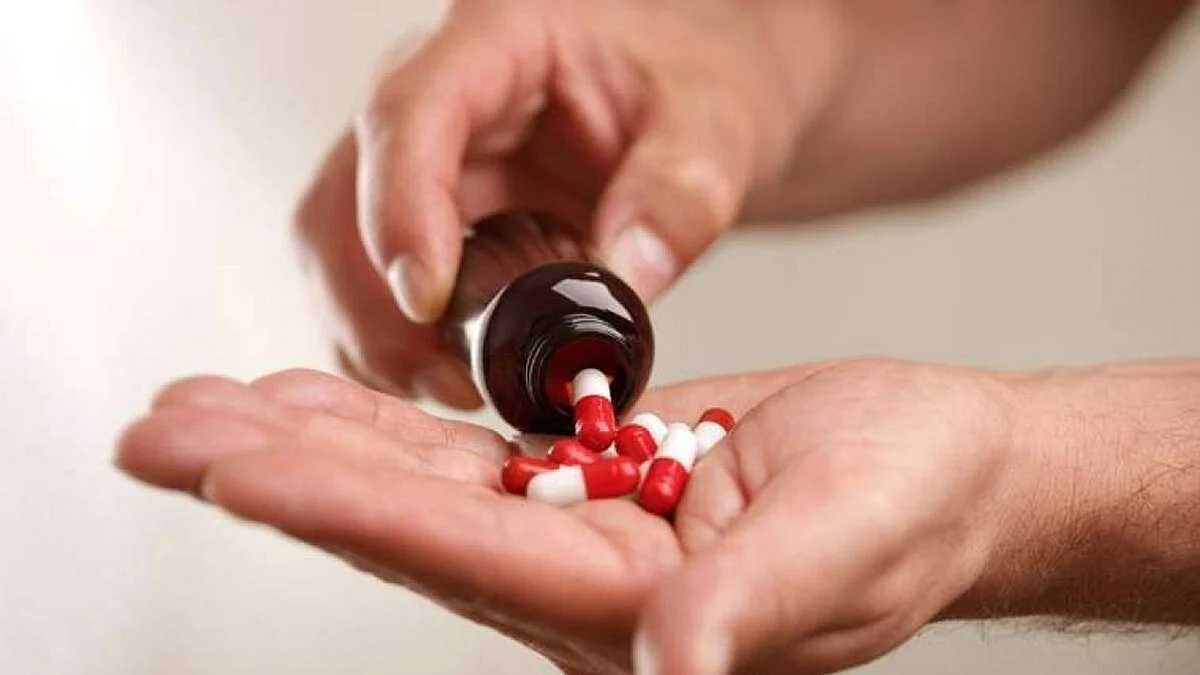
Ramadan 2026: Should You Fast On GLP-1S? UAE Doctor Explains
(MENAFN- Khaleej Times) Health specialists say that many patients underestimate how these medications interact with prolonged fasting
source on Google
- PUBLISHED: Tue 17 Feb 2026, 2:17 PM
- By: Haneen Dajani
source on Google
- Share:
Ramadan should support both spiritual and physical wellbeing - not push the body into medical risk. Fasting on GLP-1 medications without professional supervision, altered eating patterns, reduced hydration and appetite suppression during the holy month can destabilise blood sugar levels and accelerate muscle loss if not properly managed, as per medical experts.
As the use of GLP-1 therapies for weight loss and metabolic health continues to rise in the UAE, health specialists said that many patients underestimate how these medications interact with prolonged fasting, especially during the early days of Ramadan.
Recommended For You Ramadan 2026: These countries will begin holy month on February 18“The appropriate use of GLP-1 therapy is a sophisticated clinical intervention,” said Dr Yousef Said, Medical Director at Metabolic Health, stressing that treatment requires careful medical titration, baseline metabolic assessment and ongoing monitoring. Using the medication casually - or as a way to make fasting“easier” - can lead to muscle loss, metabolic disruption and potentially dangerous side effects.
Stay up to date with the latest news. Follow KT on WhatsApp Channels
RAMADAN PRAYER TIMINGS
When is the best time to take GLP-1 medications during Ramadan?
According to Dr Said, timing plays an important role in minimising side effects and maintaining safety during Ramadan. For weekly injectable GLP-1 medications such as semaglutide or tirzepatide, he says the most appropriate time to take the injection is shortly after iftar, once the body has been rehydrated and food has been consumed - a timing that may help reduce common side effects such as nausea.
Because these medications are long-acting, the exact hour is not critical, but taking the injection at suhoor is generally less ideal, as any gastrointestinal discomfort could occur during fasting hours when hydration is not possible.
For patients using the oral form of semaglutide, the preferred timing during Ramadan is at suhoor, as the tablet must be taken on an empty stomach with a small amount of water and followed by at least 30 minutes before eating, drinking or taking other medications.
An alternative option is later in the evening after Taraweeh prayers, provided the patient has not eaten for two to three hours beforehand and waits at least 30 minutes before consuming anything further. He stresses that patients should consult their treating physician before Ramadan to ensure their treatment plan is safely adjusted to their individual medical condition.
“The biggest shift is managing the risk of hypoglycaemia, particularly if the GLP-1 is being used alongside other medications like insulin,” Dr Said explained. He said clinicians typically adopt a“safety-first” protocol during Ramadan, adjusting medication timing and closely monitoring glucose levels throughout the day.
While many patients report reduced hunger during fasting hours, the first few days of Ramadan can be a physiological adjustment period. Some experience low or“flat” energy levels as the body adapts to compressed eating windows, though these symptoms often stabilise within 72 hours - provided nutritional and electrolyte needs are not neglected.
Weight loss is not the only metricDr Said said recent patient data reinforces the need to look beyond the number on the scale. Improvements in glucose control and cholesterol levels are important, but preserving muscle mass is critical - particularly during prolonged fasting.
“There is a natural risk of muscle catabolism during Ramadan,” he said.“Fasting should not be viewed as a period of starvation, but as a structured window to fuel the body with high-quality nutrients.” He emphasised balanced, protein-rich meals at both suhoor and iftar to protect muscle and sustain metabolic health.
Hydration and protein: the two pillarsReduced thirst and appetite - common effects of GLP-1 medications - mean patients often underestimate how little they are drinking during non-fasting hours. For Suhoor, Dr Said recommends slow-digesting proteins such as eggs or Greek yoghurt, paired with complex carbohydrates to provide sustained energy. At Iftar, he advises breaking the fast with water and electrolytes before moving to lean protein, while avoiding high-sugar foods that can cause sharp glucose spikes.
Because digestion is slowed, he suggests a“sip strategy”: consuming small amounts of water regularly - around 200 to 300ml per hour between Iftar and Suhoor - rather than trying to drink large volumes at once.
When to break the fast - and seek helpWhile mild nausea can be expected with GLP-1 use, Dr Said warns that severe vomiting, abdominal pain, dizziness or signs of acute dehydration are red flags that should not be ignored.
“If blood glucose levels drop below 70 mg/dL, the fast must be terminated,” he said, adding that Ramadan is not a time to push the body beyond safe clinical limits.
Is fasting right for everyone on GLP-1s?According to Dr Said, fasting on GLP-1 medication is not suitable for everyone. The decision depends on a patient's underlying health, dosage and how long they have been on treatment. Those who have recently started the medication or are still increasing their dose may need a more cautious approach.
His advice is clear: a pre-Ramadan medical consultation is essential. Reviewing bloodwork and tolerance levels allows doctors to create an individualised plan - and in some cases, advise against fasting altogether.“In Islam, health takes precedence,” he said.“When fasting may cause harm, alternative options are permitted, including postponing the fast or following other religious allowances.” He stressed that patient safety and health preservation must remain the priority throughout the holy month.
ALSO READ- Non-medical sale of GLP-1 weight-loss drugs on the rise; UAE expert warns of risks 'Not magic shots': UAE doctors explain who can take weight-loss injections Ramadan in UAE: How to get your body ready for month of fasting

Legal Disclaimer:
MENAFN provides the
information “as is” without warranty of any kind. We do not accept
any responsibility or liability for the accuracy, content, images,
videos, licenses, completeness, legality, or reliability of the information
contained in this article. If you have any complaints or copyright
issues related to this article, kindly contact the provider above.
Most popular stories
Market Research

More Story






Comments
No comment