




403
Sorry!!
Error! We're sorry, but the page you were looking for doesn't exist.
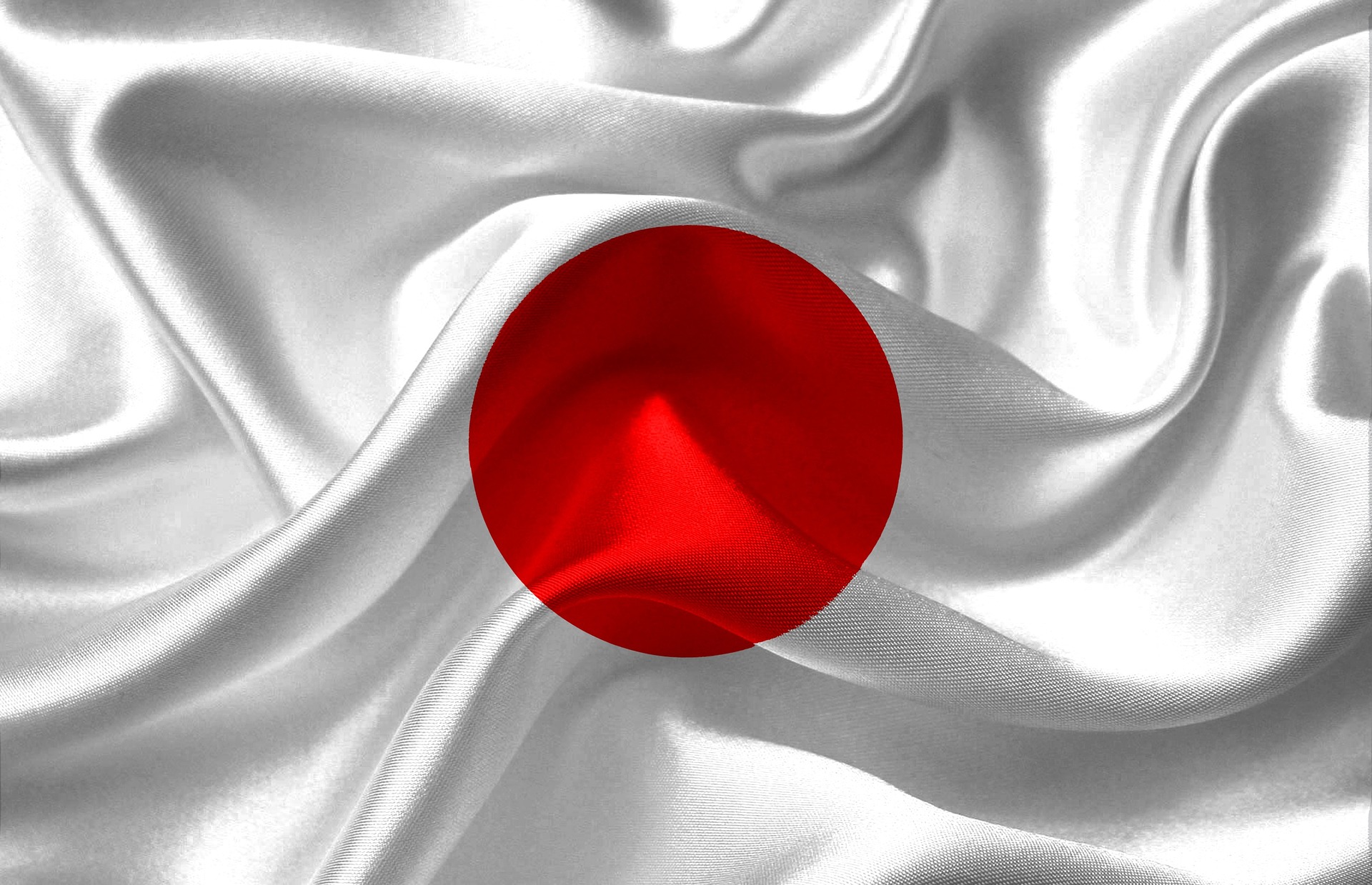
Japan’s incoming PM plans to call general election on October 27
(MENAFN) Japan's incoming Prime Minister Shigeru Ishiba made headlines on Monday with his announcement that he plans to call a general election on October 27. This decision marks a significant step as Ishiba prepares to take the reins of leadership following his selection as the head of the ruling Liberal Democratic Party (LDP). By setting a date for the election, Ishiba aims to establish a clear mandate for his administration as he embarks on implementing his policies.
Ishiba's decision comes at a crucial time for Japan, as the nation faces a range of pressing challenges, including economic recovery, aging demographics, and national security concerns. The upcoming election will provide an opportunity for voters to weigh in on these issues and assess the direction they want the country to take under Ishiba's leadership. This election is also expected to serve as a litmus test for the public's support of the new administration’s proposed policies.
As Prime Minister, Ishiba has expressed his intention to pursue a series of initiatives aimed at revitalizing the economy and addressing social issues. His proactive approach to governance is reflected in his desire to secure a strong electoral mandate that will enable him to implement his vision for Japan without facing significant political obstacles. The election will allow voters to evaluate his leadership style and policy proposals in real time.
Ishiba’s call for a general election demonstrates his commitment to democratic processes and his recognition of the importance of public support. With the election date set, political parties will now begin ramping up their campaigns, and the Japanese electorate will prepare to make decisions that could shape the future trajectory of the nation. The outcomes of this election could have far-reaching implications, not only for Japan’s domestic policies but also for its standing in the international arena.
Ishiba's decision comes at a crucial time for Japan, as the nation faces a range of pressing challenges, including economic recovery, aging demographics, and national security concerns. The upcoming election will provide an opportunity for voters to weigh in on these issues and assess the direction they want the country to take under Ishiba's leadership. This election is also expected to serve as a litmus test for the public's support of the new administration’s proposed policies.
As Prime Minister, Ishiba has expressed his intention to pursue a series of initiatives aimed at revitalizing the economy and addressing social issues. His proactive approach to governance is reflected in his desire to secure a strong electoral mandate that will enable him to implement his vision for Japan without facing significant political obstacles. The election will allow voters to evaluate his leadership style and policy proposals in real time.
Ishiba’s call for a general election demonstrates his commitment to democratic processes and his recognition of the importance of public support. With the election date set, political parties will now begin ramping up their campaigns, and the Japanese electorate will prepare to make decisions that could shape the future trajectory of the nation. The outcomes of this election could have far-reaching implications, not only for Japan’s domestic policies but also for its standing in the international arena.

Legal Disclaimer:
MENAFN provides the
information “as is” without warranty of any kind. We do not accept
any responsibility or liability for the accuracy, content, images,
videos, licenses, completeness, legality, or reliability of the information
contained in this article. If you have any complaints or copyright
issues related to this article, kindly contact the provider above.
Most popular stories
Market Research

More Story





Comments
No comment