




403
Sorry!!
Error! We're sorry, but the page you were looking for doesn't exist.
Philippine Energy Crisis: National Emergency Declared Transport Workers Declare Two-Day Strike Top Updates
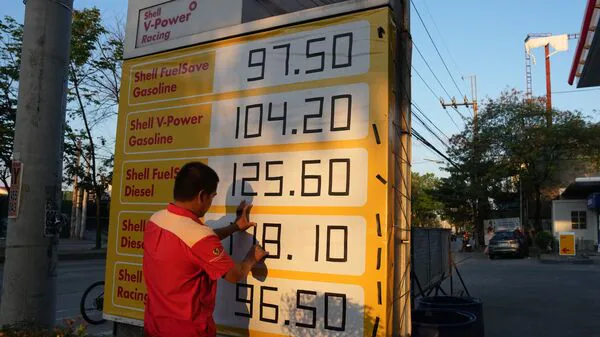
(MENAFN- Live Mint) The Philippines has declared a state of national energy emergency in response to the war in Iran and the country's economy. It has become the first country in the world to do so amid the Middle East conflict.
In an executive order on Tuesday, Philippine President Ferdinand Marcos Jr said there is an“imminent danger of a critically low energy supply”.“Urgent measures are necessary” to ensure the stability of energy supplies, continuity of economic activity and the delivery of essential services, he said.
The Philippines imports 98% of its oil from the Gulf. As of March 20, the Southeast Asian nation said it had 45 days' worth of oil supplies left.
The last time the Philippines declared a state of national emergency was during the COVID pandemic in 2020. The country has implemented one of the world's strictest lockdowns.
The declaration of national energy emergency will be in force for one year unless otherwise extended or lifted by the president.
Also Read | India starts selective fuel price hikes as oil surges past $100 Here are the top updates on the Philippines energy emergency:- The price of diesel and petrol has more than doubled in the Philippines since the Iran war broke out on February 28. The Philippines has not mentioned imposing a price freeze while announcing the energy emergency. It also doesn't offer broad fuel subsidies, like neighbouring Indonesia, Malaysia and Thailand. However, the Philippines has started to provide a 5,000 peso ($83) subsidy to motorcycle taxi drivers and other public transport workers nationwide, The Guardian reported. Under a state of emergency, the Marcos administration said that a committee will be formed to ensure the availability of fuel, food, medicines, agricultural products and other essentials. It will also oversee energy management measures, as well as support for consumers and affected sectors. The Department of Energy has been directed to take measures to conserve energy and prevent hoarding. State energy firms have been authorised to procure fuel and petroleum products and advance a payment exceeding 15% of the contract amount, the Presidential Communications Office said in a statement.
- The Department of Transportation could subsidise fuel and commuter fares, extend rail operating hours, and suspend toll and aviation fees, the statement said. In some cities, students and workers are being given free access to bus rides as part of the government's mitigation measures. Energy Secretary Sharon Garin said the country would "temporarily" depend more heavily on coal-fired power plants to meet its energy needs in response to the surging costs of liquefied natural gas (LNG ). Other departments will also expedite the release of social welfare, monitor unreasonable price increases of basic goods, and facilitate the repatriation of migrant workers in the Middle East. About 2.4 million Filipinos live and work in the Middle East, including about 31,000 in Israel and 800 in Iran. Philippine Ambassador to the US Jose Manuel Romualdez told Reuters that Manila was working with Washington to secure exemptions that would allow for the purchase of oil from countries under US sanctions. “All options are being considered,” the ambassador said in response to whether Iranian and Venezuelan oil was part of the talks with the US. The Philippines is also in talks with the likes of China and Russia to augment its fuel supplies.
- On Tuesday, Marcos told Bloomberg Television that there is a“distinct possibility that” planes could be grounded due to a shortage of jet fuel. Earlier, Philippine Airlines Inc. President Richard Nuttall said the airline has“been able to secure fuel that will take us until the end of June,” which is around normal levels.“Beyond that, we don't have visibility.” Philippine transport workers, commuters and consumer groups plan to hold a two-day strike from Thursday to protest the increase in fuel prices and what they see as a slow or inadequate response from the government. Piston, a federation of public transport associations, described the declaration of a national energy emergency as a“superficial band-aid that deliberately ignores the structural roots of the fuel crisis”. However, tycoon Manuel V Pangilinan, who chairs major utilities companies, has backed the emergency. In a statement, he said that his companies are feeling the strain of rising energy costs and warned that the crisis is beginning to affect business operations. However, he said, the government "should have every option" available to steer the economy through what he described as a difficult period.
(With agency inputs)

Legal Disclaimer:
MENAFN provides the
information “as is” without warranty of any kind. We do not accept
any responsibility or liability for the accuracy, content, images,
videos, licenses, completeness, legality, or reliability of the information
contained in this article. If you have any complaints or copyright
issues related to this article, kindly contact the provider above.
Most popular stories
Market Research

More Story





Comments
No comment