




403
Sorry!!
Error! We're sorry, but the page you were looking for doesn't exist.
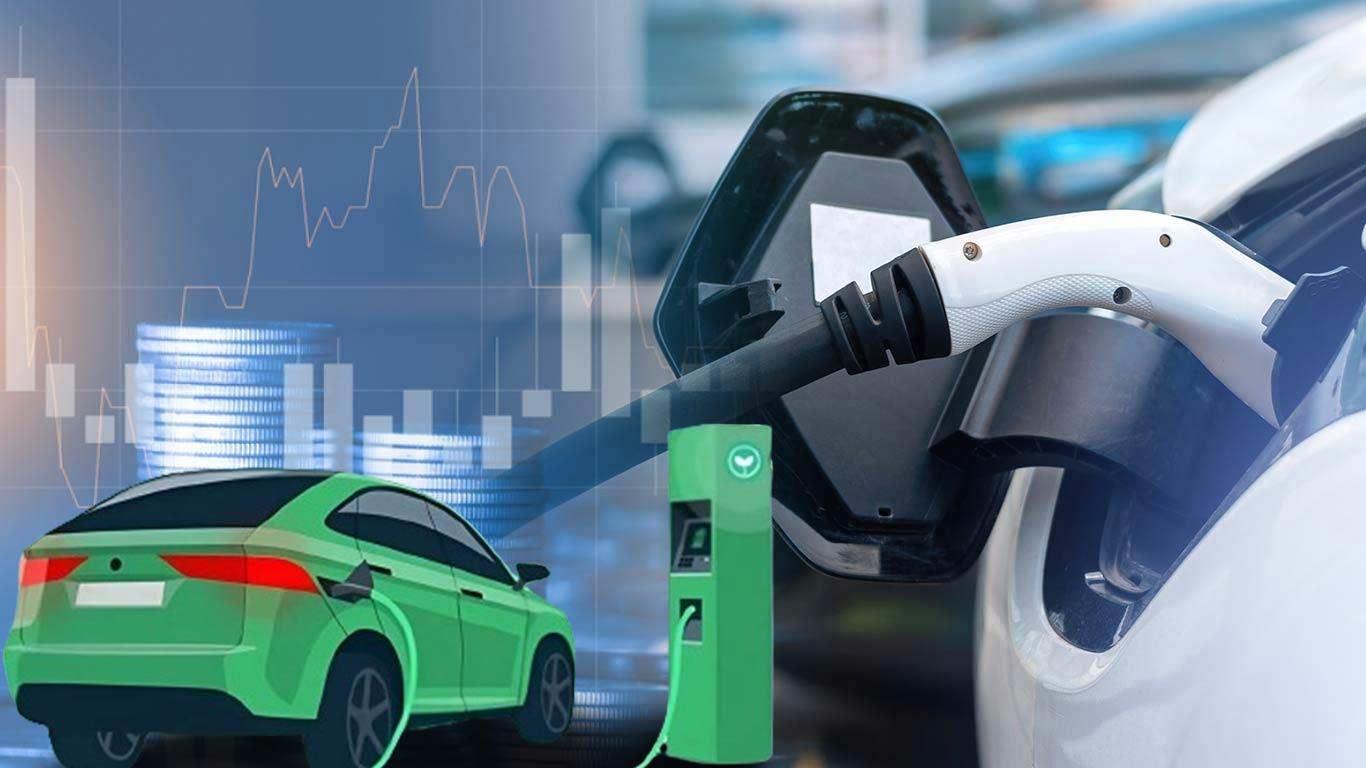
India To Revise EV Incentive Policy To Include Automakers Using Existing Factories
(MENAFN- KNN India)
New Delhi, Nov 30 (KNN) India is poised to modify its electric vehicle (EV) incentive policy, broadening the scope to include automakers manufacturing EVs at existing factories.
This strategic shift represents a significant evolution from the original policy announced in March, which was initially designed to attract Tesla's market entry.
According to a source with direct knowledge of the matter, the updated policy will allow automakers to qualify for substantial tax incentives by developing electric models on separate production lines within their current manufacturing facilities.
Previously, the policy exclusively targeted companies willing to establish entirely new plants, with a minimum investment requirement of USD 500 million and a mandate for 50 per cent local component sourcing.
The modification aims to encourage broader EV investment from international automotive manufacturers like Toyota and Hyundai.
Under the proposed framework, companies can access significant import tax reductions for up to 8,000 electric vehicles annually, provided they meet specific local manufacturing criteria.
To ensure fairness and meaningful investment, the government plans to implement a minimum EV revenue target for qualifying production lines.
The policy will require electric models to be manufactured on dedicated assembly lines and continue to mandate substantial local component sourcing.
Automakers have been actively engaging with India's Ministry of Heavy Industries, seeking clarification on various policy aspects.
Toyota has inquired about integrating EV assembly lines within multi-powertrain plants, while Hyundai and Volkswagen have sought additional details regarding investment calculations and implementation timelines.
The revised EV policy is expected to be finalised by March, marking a potentially transformative moment for India's automotive manufacturing landscape and its transition toward electric mobility.
(KNN Bureau)

Legal Disclaimer:
MENAFN provides the
information “as is” without warranty of any kind. We do not accept
any responsibility or liability for the accuracy, content, images,
videos, licenses, completeness, legality, or reliability of the information
contained in this article. If you have any complaints or copyright
issues related to this article, kindly contact the provider above.
Most popular stories
Market Research

More Story







Comments
No comment