




403
Sorry!!
Error! We're sorry, but the page you were looking for doesn't exist.
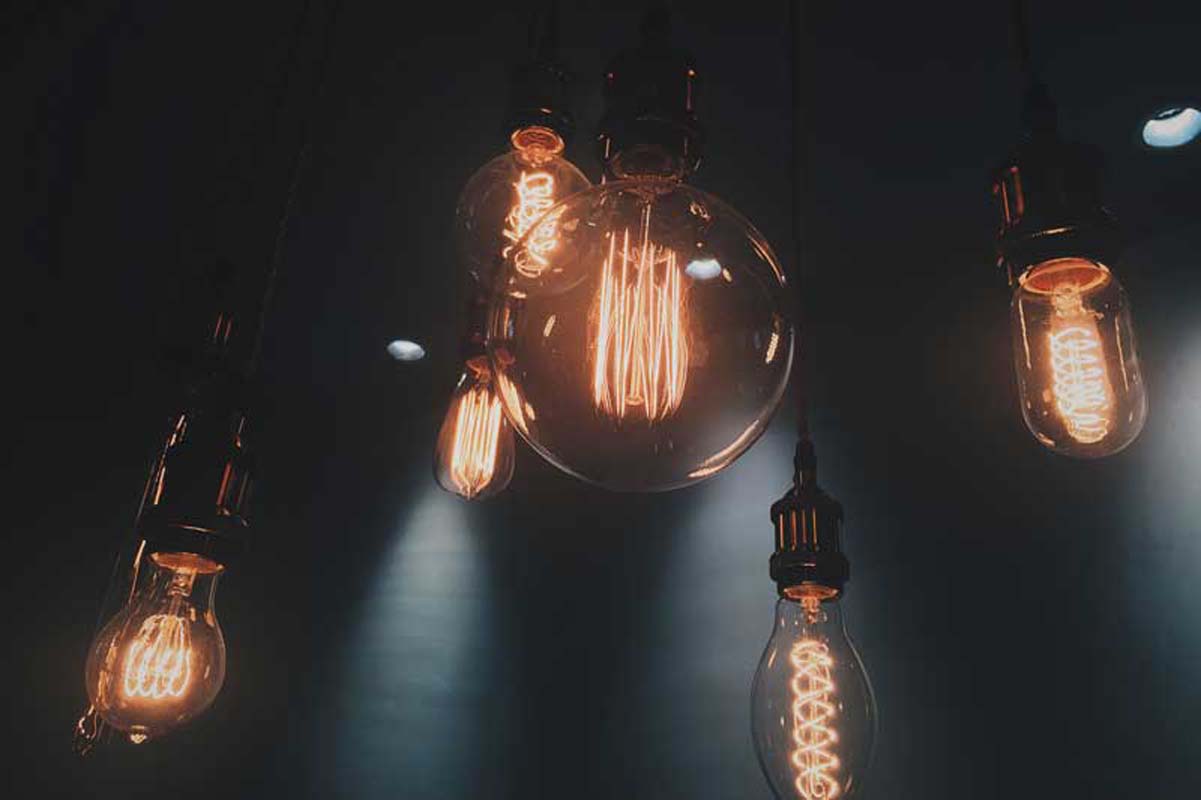
South Korea's domestic electricity bills surge by 13 percent last month
(MENAFN) South Korea's household electricity bills experienced a significant increase last month due to an unusually prolonged heatwave that swept across the country. According to Yonhap news agency, citing Korea Electric Power Corp. (KEPCO), the average electricity charge per household surged by 13 percent from a year earlier, reaching 63,610 won (approximately 47.5 U.S. dollars) in August. This estimate is based on preliminary data, with the final rates for last month to be determined by the end of September.
The increase in electricity bills was primarily driven by a 9 percent rise in average power usage per household, which averaged 363 kilowatt-hours (kWh) in August compared to the same month the previous year. Despite the rise in electricity consumption, the bill increased at a faster rate due to South Korea's progressive rate system for household electricity, which charges higher rates as usage increases.
Approximately 76 percent of households are expected to have paid more for electricity this August compared to the previous year. The extended heatwave significantly boosted the demand for air conditioning, contributing to the higher electricity consumption. August recorded 16 days with temperatures exceeding 33 degrees Celsius, the second-highest number of heatwave days since records began in 1973.
Additionally, the number of tropical nights, during which temperatures remain above 25 degrees Celsius from 6:01 p.m. to 9:00 a.m. the following day, reached a record high of 11.3 days in August. These extreme weather conditions further exacerbated the increase in power demand and consequently, the household electricity bills.
The increase in electricity bills was primarily driven by a 9 percent rise in average power usage per household, which averaged 363 kilowatt-hours (kWh) in August compared to the same month the previous year. Despite the rise in electricity consumption, the bill increased at a faster rate due to South Korea's progressive rate system for household electricity, which charges higher rates as usage increases.
Approximately 76 percent of households are expected to have paid more for electricity this August compared to the previous year. The extended heatwave significantly boosted the demand for air conditioning, contributing to the higher electricity consumption. August recorded 16 days with temperatures exceeding 33 degrees Celsius, the second-highest number of heatwave days since records began in 1973.
Additionally, the number of tropical nights, during which temperatures remain above 25 degrees Celsius from 6:01 p.m. to 9:00 a.m. the following day, reached a record high of 11.3 days in August. These extreme weather conditions further exacerbated the increase in power demand and consequently, the household electricity bills.

Legal Disclaimer:
MENAFN provides the
information “as is” without warranty of any kind. We do not accept
any responsibility or liability for the accuracy, content, images,
videos, licenses, completeness, legality, or reliability of the information
contained in this article. If you have any complaints or copyright
issues related to this article, kindly contact the provider above.
Most popular stories
Market Research

More Story





Comments
No comment