




403
Sorry!!
Error! We're sorry, but the page you were looking for doesn't exist.
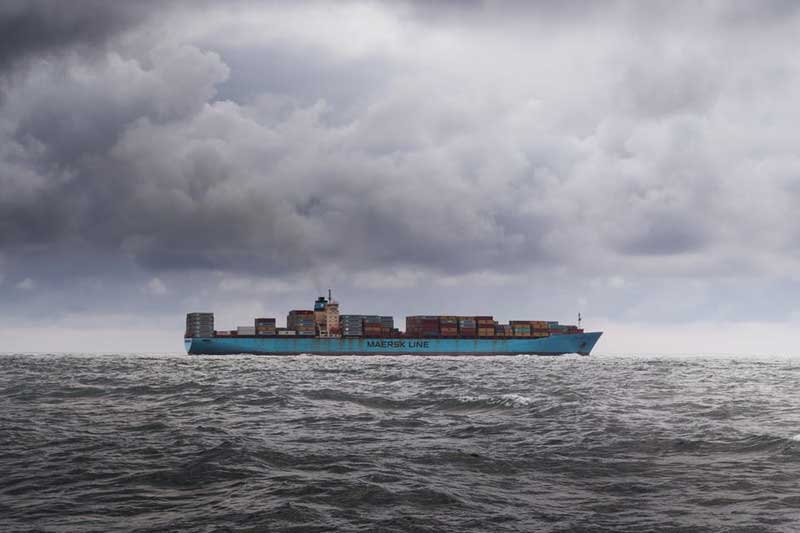
Shipping volume passing through Suez Canal sees 2-thirds decline last month
(MENAFN) In April 2024, the shipping volume passing through the Suez Canal experienced a significant decline of two-thirds compared to the same period a year earlier, as reported by the International Monetary Fund (IMF) on Thursday. This notable reduction in shipping activity is attributed to a series of events, including deadly Israeli attacks on Gaza in October, which prompted retaliatory actions by Yemen's Houthi rebel group targeting ships associated with Israel in the Red Sea.
The escalation of attacks on commercial vessels in the Red Sea compelled logistics companies to seek alternative routes, resulting in increased shipping rates and disruptions to delivery schedules. The IMF's Portwatch platform, developed in collaboration with Oxford University, highlighted a nearly twofold increase in shipping volume through the Cape of Good Hope, which emerged as a crucial alternative route amidst the disruptions in the Red Sea.
The repercussions of the reduced shipping activity in the Red Sea extend beyond regional borders, impacting economies across the Middle East, Europe, Asia, and Africa. Given the strategic significance of the Red Sea shipping lane for oil exports from the Middle East to Europe and from Russia to Asia, the disruptions have reverberated across global trade networks, posing challenges to supply chains and logistics operations worldwide.
The escalation of attacks on commercial vessels in the Red Sea compelled logistics companies to seek alternative routes, resulting in increased shipping rates and disruptions to delivery schedules. The IMF's Portwatch platform, developed in collaboration with Oxford University, highlighted a nearly twofold increase in shipping volume through the Cape of Good Hope, which emerged as a crucial alternative route amidst the disruptions in the Red Sea.
The repercussions of the reduced shipping activity in the Red Sea extend beyond regional borders, impacting economies across the Middle East, Europe, Asia, and Africa. Given the strategic significance of the Red Sea shipping lane for oil exports from the Middle East to Europe and from Russia to Asia, the disruptions have reverberated across global trade networks, posing challenges to supply chains and logistics operations worldwide.

Legal Disclaimer:
MENAFN provides the
information “as is” without warranty of any kind. We do not accept
any responsibility or liability for the accuracy, content, images,
videos, licenses, completeness, legality, or reliability of the information
contained in this article. If you have any complaints or copyright
issues related to this article, kindly contact the provider above.
Most popular stories
Market Research

More Story








Comments
No comment