




403
Sorry!!
Error! We're sorry, but the page you were looking for doesn't exist.
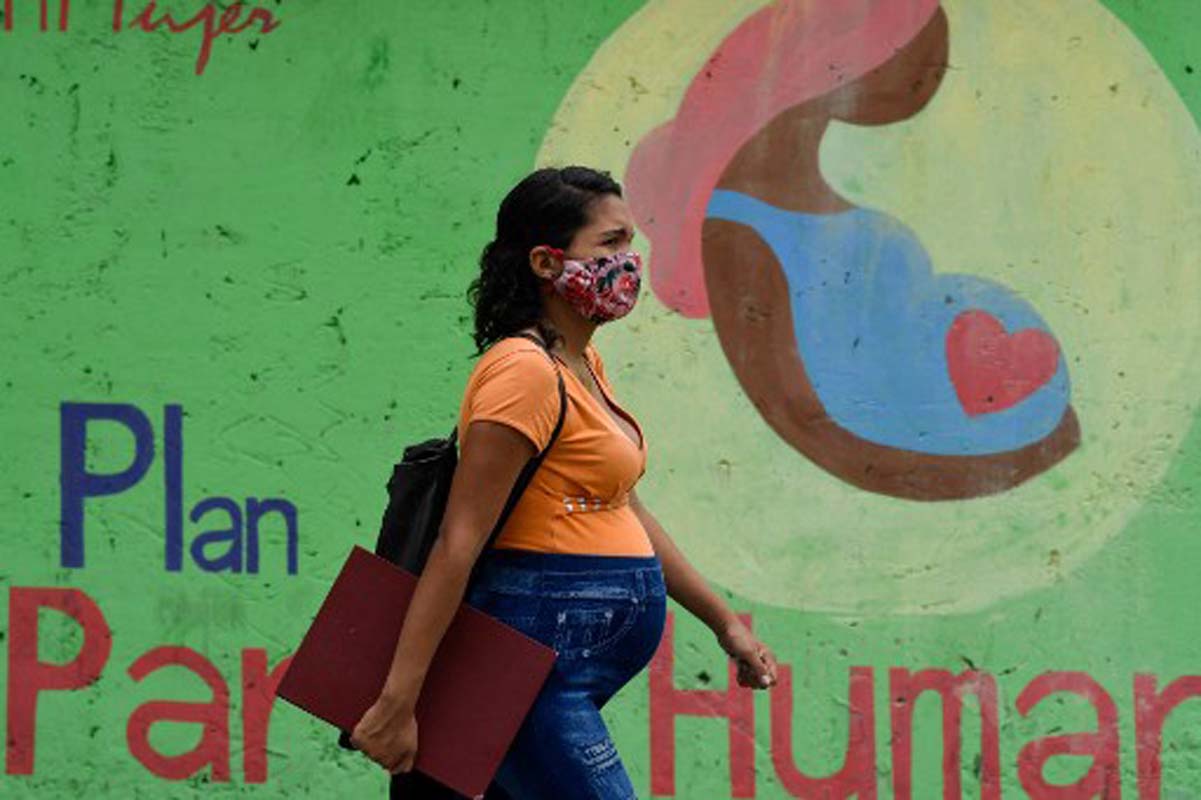
40M women experience enduring health issues resulting from childbirth
(MENAFN) A study published by The Lancet Global Health on Thursday revealed that annually, a minimum of 40 million women face enduring health issues resulting from childbirth.
The research underscored the prolonged effects of postnatal conditions, noting that many persist for "months or even years" following the delivery.
Identifying potential risks and preventing complications that may result in persistent health issues, the study emphasized the significance of comprehensive care during both pregnancy and childbirth, labeling it a "crucial preventive factor."
"Many postpartum conditions cause considerable suffering in women’s daily life long after birth, both emotionally and physically, and yet they are largely underappreciated, underrecognized, and underreported," stated Pascale Allotey, the World Health Organization's (WHO) director of sexual and reproductive health and research.
Allotey further mentioned: "Throughout their lives, and beyond motherhood, women need access to a range of services from health-care providers who listen to their concerns and meet their needs - so they not only survive childbirth but can enjoy good health and quality of life."
After a 12-year literature assessment, the study found "no recent high-quality guidelines" to support effective therapy for 40 percent of the 32 priority illnesses.
Additionally, it was unable to locate "a single high-quality guideline" from a nation with a low or moderate income.
The research underscored the prolonged effects of postnatal conditions, noting that many persist for "months or even years" following the delivery.
Identifying potential risks and preventing complications that may result in persistent health issues, the study emphasized the significance of comprehensive care during both pregnancy and childbirth, labeling it a "crucial preventive factor."
"Many postpartum conditions cause considerable suffering in women’s daily life long after birth, both emotionally and physically, and yet they are largely underappreciated, underrecognized, and underreported," stated Pascale Allotey, the World Health Organization's (WHO) director of sexual and reproductive health and research.
Allotey further mentioned: "Throughout their lives, and beyond motherhood, women need access to a range of services from health-care providers who listen to their concerns and meet their needs - so they not only survive childbirth but can enjoy good health and quality of life."
After a 12-year literature assessment, the study found "no recent high-quality guidelines" to support effective therapy for 40 percent of the 32 priority illnesses.
Additionally, it was unable to locate "a single high-quality guideline" from a nation with a low or moderate income.

Legal Disclaimer:
MENAFN provides the
information “as is” without warranty of any kind. We do not accept
any responsibility or liability for the accuracy, content, images,
videos, licenses, completeness, legality, or reliability of the information
contained in this article. If you have any complaints or copyright
issues related to this article, kindly contact the provider above.
Most popular stories
Market Research

More Story






Comments
No comment