



403
Sorry!!
Error! We're sorry, but the page you were looking for doesn't exist.
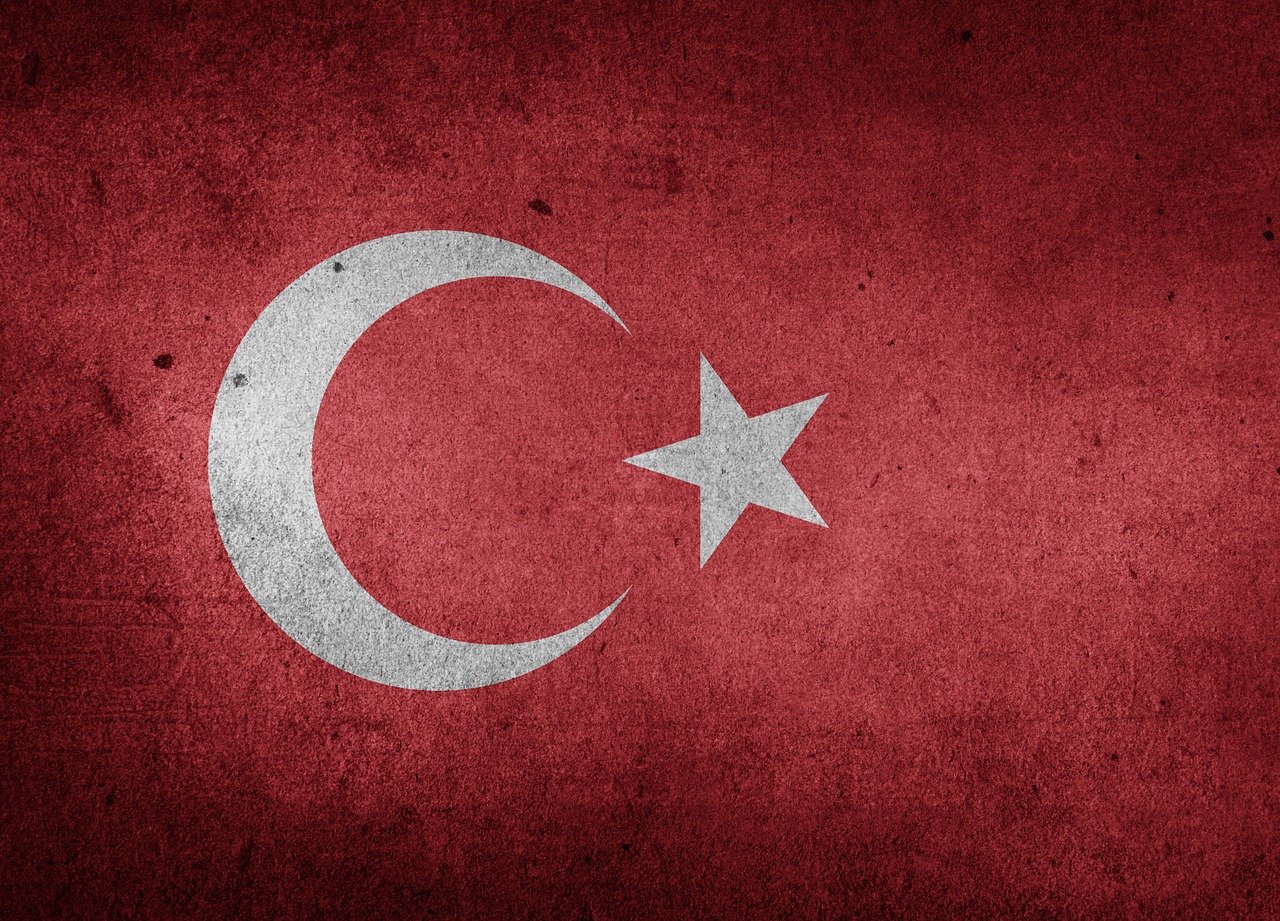
Ancient Zeus Temple Reliefs Preserved in Black Sea Village Homes
(MENAFN) Relief stones from an ancient temple dedicated to the Roman god Zeus remain intact within the walls and foundations of buildings in a village in Türkiye’s Black Sea region. These stones are highly valued and safeguarded by the local community, according to residents and officials who spoke to a news agency.
The Kastamonu Province Museum Directorate reported that the temple was established by the pagan priest Gaios during the reign of Roman Emperor Caracalla (AD 198-217), a member of the Severan dynasty, and was completed in 279 by Alexandros (Alexander), Gaios’ son.
In previous centuries, villagers incorporated relief stones from the temple, whose ruins still survive today, into the walls and foundations of their homes. The stones have been cataloged and registered by the museum directorate and continue to draw the interest of visitors to the area.
Situated in the Meyre neighborhood, which lends the temple its alternate name, the Meyre Zeus Temple, the site holds significant importance for the region. Mustafa Cetin, headman of the village of Aktastekke, explained this to the news agency.
Cetin noted that the temple endured damage over time, with stones being removed and repurposed in local homes. However, he said the museum directorate documented and protected the reliefs during a 2007 restoration effort. He added that future renovations could enhance tourism in the area.
Local resident Cemal Cetin told the news agency that villagers take great care to preserve the temple stones embedded in their houses and expressed hope that archaeological excavations would be conducted at the site.
The Kastamonu Province Museum Directorate reported that the temple was established by the pagan priest Gaios during the reign of Roman Emperor Caracalla (AD 198-217), a member of the Severan dynasty, and was completed in 279 by Alexandros (Alexander), Gaios’ son.
In previous centuries, villagers incorporated relief stones from the temple, whose ruins still survive today, into the walls and foundations of their homes. The stones have been cataloged and registered by the museum directorate and continue to draw the interest of visitors to the area.
Situated in the Meyre neighborhood, which lends the temple its alternate name, the Meyre Zeus Temple, the site holds significant importance for the region. Mustafa Cetin, headman of the village of Aktastekke, explained this to the news agency.
Cetin noted that the temple endured damage over time, with stones being removed and repurposed in local homes. However, he said the museum directorate documented and protected the reliefs during a 2007 restoration effort. He added that future renovations could enhance tourism in the area.
Local resident Cemal Cetin told the news agency that villagers take great care to preserve the temple stones embedded in their houses and expressed hope that archaeological excavations would be conducted at the site.

Legal Disclaimer:
MENAFN provides the
information “as is” without warranty of any kind. We do not accept
any responsibility or liability for the accuracy, content, images,
videos, licenses, completeness, legality, or reliability of the information
contained in this article. If you have any complaints or copyright
issues related to this article, kindly contact the provider above.
Most popular stories
Market Research

More Story




Comments
No comment