




403
Sorry!!
Error! We're sorry, but the page you were looking for doesn't exist.
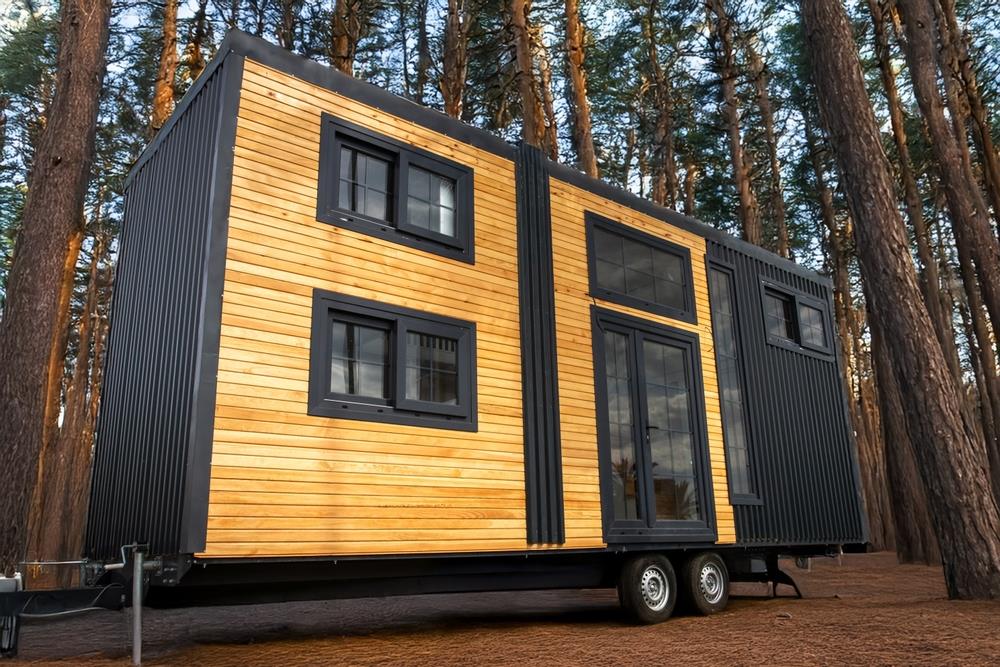
Tiny Houses On Wheels Avoiding Property Taxes Entirely
(MENAFN- Beating Broke) Tiny homes can be about more than minimalism. For many, they are a way to financial freedom in a tough market. And in some instances, people are putting their tiny houses on wheels to escape the costs that come with traditional homeownership. Unlike fixed homes, many municipalities don't know how to classify tiny houses on trailers. Are they real estate or personal property? The area is very gray. But in many states, tiny homes on wheels are treated like RVs. So, property taxes often aren't collected. It's a potential loophole that can save owners thousands each year. So much so that it's catching the attention of both local governments and homeowners looking for creative tax relief. Here's how it works, and why states are starting to notice.The Key Loophole: Mobility Equals Non-Real Estate
Tiny homes on wheels are often viewed more like vehicles or mobile units, while those fixed on land may fall under traditional property laws. That single distinction changes everything. Because the structure isn't permanently attached to the land, local tax assessors often treat it like a vehicle or RV. In most cases, you only pay for registration fees or annual tags, not property taxes. That could be a savings of $2,000–$5,000 a year, depending on the state.
Tax treatment for mobile tiny homes varies from state to state. For example, in Oregon and Texas, tiny houses on wheels fall under“recreational vehicle” rules, meaning they're registered through the DMV and exempt from real estate tax rolls. In states like Florida and Arizona, local governments are tightening rules, requiring long-term parkers to register as fixed dwellings if connected to utilities. The gray area leaves thousands of homeowners floating between tax codes,
Most zoning codes were written decades before the tiny home movement took off, so assessors don't have clear guidance on how to treat mobile units. As a result, owners who park on rural land or within friendly jurisdictions often go unassessed altogether. Others take advantage by keeping their wheels visible and avoiding permanent foundations, ensuring the structure stays“movable” in the eyes of the law. It's a technicality that keeps them off the county's taxable map. But tiny home owners need to do their homework. It's best to call your local planning department so that you're aware of local zoning codes.
Many Owners Use Hybrid Strategies to Stay LegalSome tiny homeowners get creative by leasing the land their homes sit on, which further separates ownership of land from structure. This makes taxation even harder for counties to enforce. Others register their homes as travel trailers or custom-built RVs, even if they never move them. It's a paper trail that satisfies the DMV but sidesteps property tax. For many, it's a huge financial relief in a housing market that feels impossible.
Local Governments Are Starting to Push BackCounties are beginning to catch on, especially in high-demand housing regions. Some are updating zoning laws to reclassify long-stationary mobile homes as taxable real estate after a set period, often 90–180 days. Others are proposing inspection programs or special“tiny home permits” that add fees and documentation requirements. The balance between encouraging affordable housing and preventing lost tax revenue is becoming a hot political debate. So, while it may seem like purchasing a tiny home on wheels is a good way to get around property taxes now, standards and laws could quickly change.
The Ethical and Legal Gray ZoneSo, if you avoid property taxes, are you placing an undue burden on other homeowners? If you still enjoy local infrastructure and schools, shouldn't you help pay for them? These are concerns that critics raise. But supporters counter that tiny homes consume far fewer resources and shouldn't be taxed like full-sized houses. In reality, until national standards exist, these questions will remain unsettled.
Why the Tiny-on-Wheels Trend Isn't Slowing DownFor many Americans, property taxes are the dealbreaker that keeps homeownership out of reach. Tiny houses on wheels offer a workaround, low cost, low regulation, and high mobility. Even as states tighten loopholes, demand for movable tiny homes continues to grow. Whether viewed as smart financial independence or a challenge to the system, one thing is clear: rolling homes have found a way to roll right past the tax bill.
Would you ever live in a movable tiny home to avoid property taxes, or do you think states should close this loophole? Share your thoughts below!

Legal Disclaimer:
MENAFN provides the
information “as is” without warranty of any kind. We do not accept
any responsibility or liability for the accuracy, content, images,
videos, licenses, completeness, legality, or reliability of the information
contained in this article. If you have any complaints or copyright
issues related to this article, kindly contact the provider above.
Most popular stories
Market Research

More Story






Comments
No comment