





403
Sorry!!
Error! We're sorry, but the page you were looking for doesn't exist.
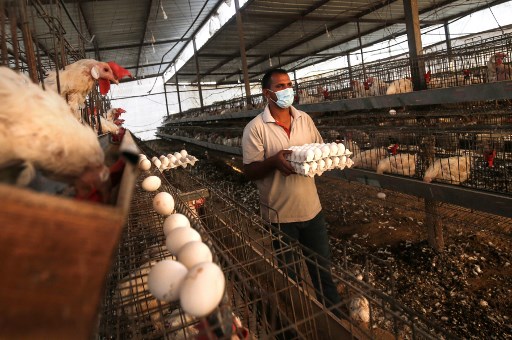
Iran’s egg exports reach over 90,000 tons since March
(MENAFN) Iran has made significant strides in its egg export industry, sending more than 90,000 tons of eggs to various target countries since the start of the current Iranian calendar year on March 20. Hamidreza Kashani, the chairman of Iran’s Union of Egg-Laying Hen Producers, disclosed this information, emphasizing the diverse markets for Iranian eggs. These exports have reached neighboring countries such as Iraq and Afghanistan, as well as Turkmenistan and several nations in the Persian Gulf. Additionally, Iranian eggs have found their way to three African countries, showcasing the growing international demand for this product.
Kashani provided further insights into the domestic production of eggs, revealing that in the previous Iranian calendar month, which spanned from September 22 to October 21, Iran produced a total of 113,000 tons of eggs. This figure indicates a robust production capacity within the country, reflecting the efforts of local producers to meet both domestic and international demands. Looking ahead, he noted that production is expected to rise to approximately 116,000 tons for the current month, which concludes on November 21. This upward trend in production is encouraging for the industry as it prepares for future export opportunities.
The potential for further growth in egg exports is significant, as Kashani projected that Iran's egg export volume could reach 135,000 tons by the end of the current Iranian year, which concludes in late March 2025. This forecast illustrates the optimism surrounding the Iranian egg market and highlights the efforts of producers to expand their reach into new markets. Such growth in export volumes is essential for the country's agricultural sector, as it contributes to economic development and strengthens trade relations with other nations.
Overall, the developments in Iran's egg production and exportation reflect a concerted effort to capitalize on international markets while bolstering domestic production capabilities. The increasing volumes of eggs being exported to a range of countries not only indicate a healthy industry but also suggest that Iranian producers are well-positioned to meet the growing demand for their products abroad. As the industry continues to evolve, it is likely to create more opportunities for expansion and collaboration in the global agricultural market.
Kashani provided further insights into the domestic production of eggs, revealing that in the previous Iranian calendar month, which spanned from September 22 to October 21, Iran produced a total of 113,000 tons of eggs. This figure indicates a robust production capacity within the country, reflecting the efforts of local producers to meet both domestic and international demands. Looking ahead, he noted that production is expected to rise to approximately 116,000 tons for the current month, which concludes on November 21. This upward trend in production is encouraging for the industry as it prepares for future export opportunities.
The potential for further growth in egg exports is significant, as Kashani projected that Iran's egg export volume could reach 135,000 tons by the end of the current Iranian year, which concludes in late March 2025. This forecast illustrates the optimism surrounding the Iranian egg market and highlights the efforts of producers to expand their reach into new markets. Such growth in export volumes is essential for the country's agricultural sector, as it contributes to economic development and strengthens trade relations with other nations.
Overall, the developments in Iran's egg production and exportation reflect a concerted effort to capitalize on international markets while bolstering domestic production capabilities. The increasing volumes of eggs being exported to a range of countries not only indicate a healthy industry but also suggest that Iranian producers are well-positioned to meet the growing demand for their products abroad. As the industry continues to evolve, it is likely to create more opportunities for expansion and collaboration in the global agricultural market.

Legal Disclaimer:
MENAFN provides the
information “as is” without warranty of any kind. We do not accept
any responsibility or liability for the accuracy, content, images,
videos, licenses, completeness, legality, or reliability of the information
contained in this article. If you have any complaints or copyright
issues related to this article, kindly contact the provider above.
Most popular stories
Market Research

More Story








Comments
No comment