



403
Sorry!!
Error! We're sorry, but the page you were looking for doesn't exist.
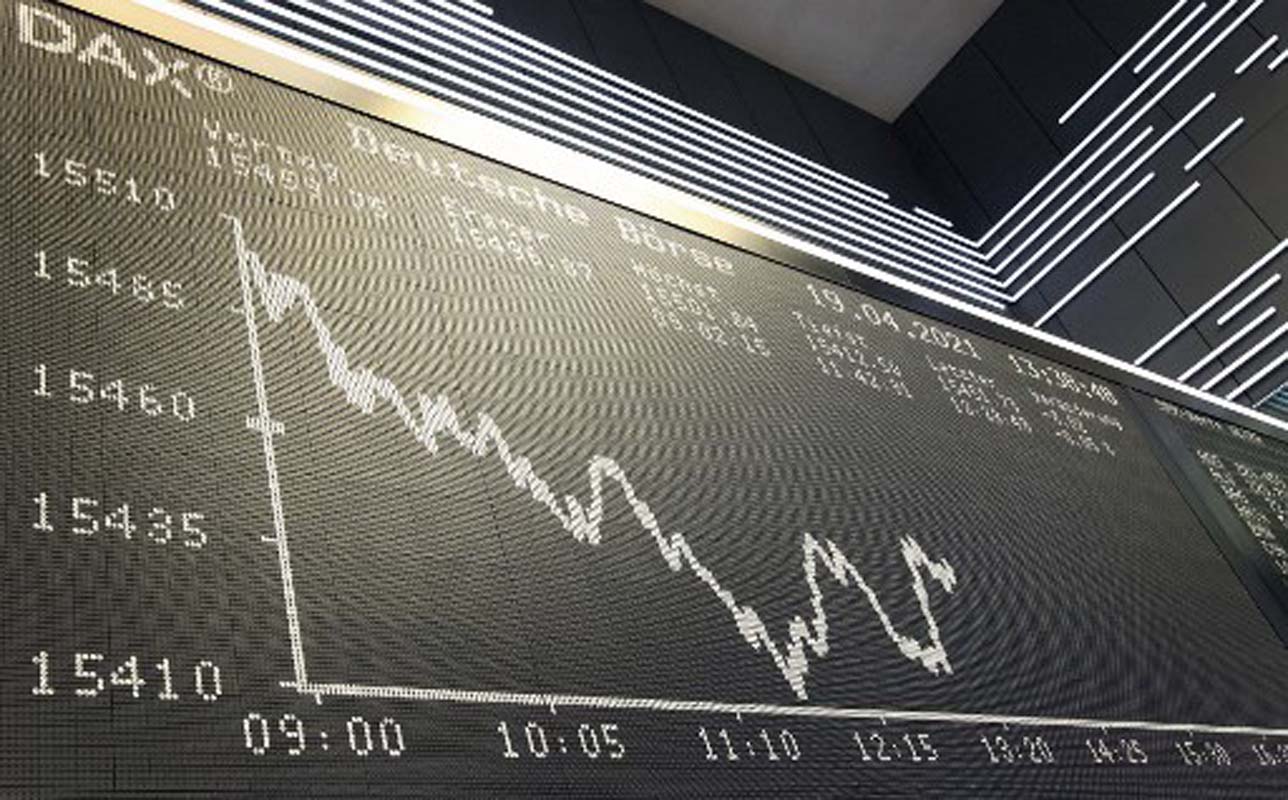
Covered call ETFs show vulnerabilities during recent market turmoil
(MENAFN) Covered call exchange-traded funds (ETFs), which were designed as stable investment options, have recently shown their vulnerability during periods of market turbulence. Despite their reputation for providing consistent income and stability, these funds have suffered significant losses amid this week’s market sell-off. The appeal of covered call strategies, which involve holding a portfolio of stocks while selling call options to generate income, had driven substantial investment, with assets under management surging from USD18 billion in early 2022 to nearly USD80 billion by July, according to Morningstar.
The popularity of these funds was fueled by the promise of combining equity-like returns with bond-like income and reduced volatility. For instance, JPMorgan’s Premium Equity Income Fund, the largest actively managed ETF in the U.S., aims to deliver substantial returns tied to the S&P 500 Index while minimizing volatility. However, the recent market downturn has highlighted a critical flaw: the income generated from selling options is insufficient to cover the declines in the underlying stocks when markets move rapidly. As a result, many covered call ETFs have experienced poor performance and extreme volatility, failing to deliver the stability investors had anticipated.
The S&P 500 BuyRate Index, a benchmark for hedge fund strategies, fell 2.8 percent on Monday, slightly outperforming the S&P 500’s 3 percent loss. Despite a 9 percent gain year-to-date for the S&P 500, the BuyRate Index has only increased by less than 4 percent. Ronald Lagnado from Universa Investments points out that while these funds are marketed as income strategies, they essentially sell volatility, which can lead to significant losses during major market declines. The recent performance underscores the risks associated with covered call ETFs, which, despite their long-term potential, are highly susceptible to sharp market declines.
The popularity of these funds was fueled by the promise of combining equity-like returns with bond-like income and reduced volatility. For instance, JPMorgan’s Premium Equity Income Fund, the largest actively managed ETF in the U.S., aims to deliver substantial returns tied to the S&P 500 Index while minimizing volatility. However, the recent market downturn has highlighted a critical flaw: the income generated from selling options is insufficient to cover the declines in the underlying stocks when markets move rapidly. As a result, many covered call ETFs have experienced poor performance and extreme volatility, failing to deliver the stability investors had anticipated.
The S&P 500 BuyRate Index, a benchmark for hedge fund strategies, fell 2.8 percent on Monday, slightly outperforming the S&P 500’s 3 percent loss. Despite a 9 percent gain year-to-date for the S&P 500, the BuyRate Index has only increased by less than 4 percent. Ronald Lagnado from Universa Investments points out that while these funds are marketed as income strategies, they essentially sell volatility, which can lead to significant losses during major market declines. The recent performance underscores the risks associated with covered call ETFs, which, despite their long-term potential, are highly susceptible to sharp market declines.

Legal Disclaimer:
MENAFN provides the
information “as is” without warranty of any kind. We do not accept
any responsibility or liability for the accuracy, content, images,
videos, licenses, completeness, legality, or reliability of the information
contained in this article. If you have any complaints or copyright
issues related to this article, kindly contact the provider above.
Most popular stories
Market Research

More Story








Comments
No comment