







403
Sorry!!
Error! We're sorry, but the page you were looking for doesn't exist.

NATO Flirting With War And Extinction In Ukraine
(MENAFN- Asia Times) NATO is flirting with war and extinction. France is now“officially”
sending troops to Ukraine
(they have been there for some time) and NATO countries are demanding strikes deep inside Russia. Latest stories

Kim Jong Un's new line more bark than bite
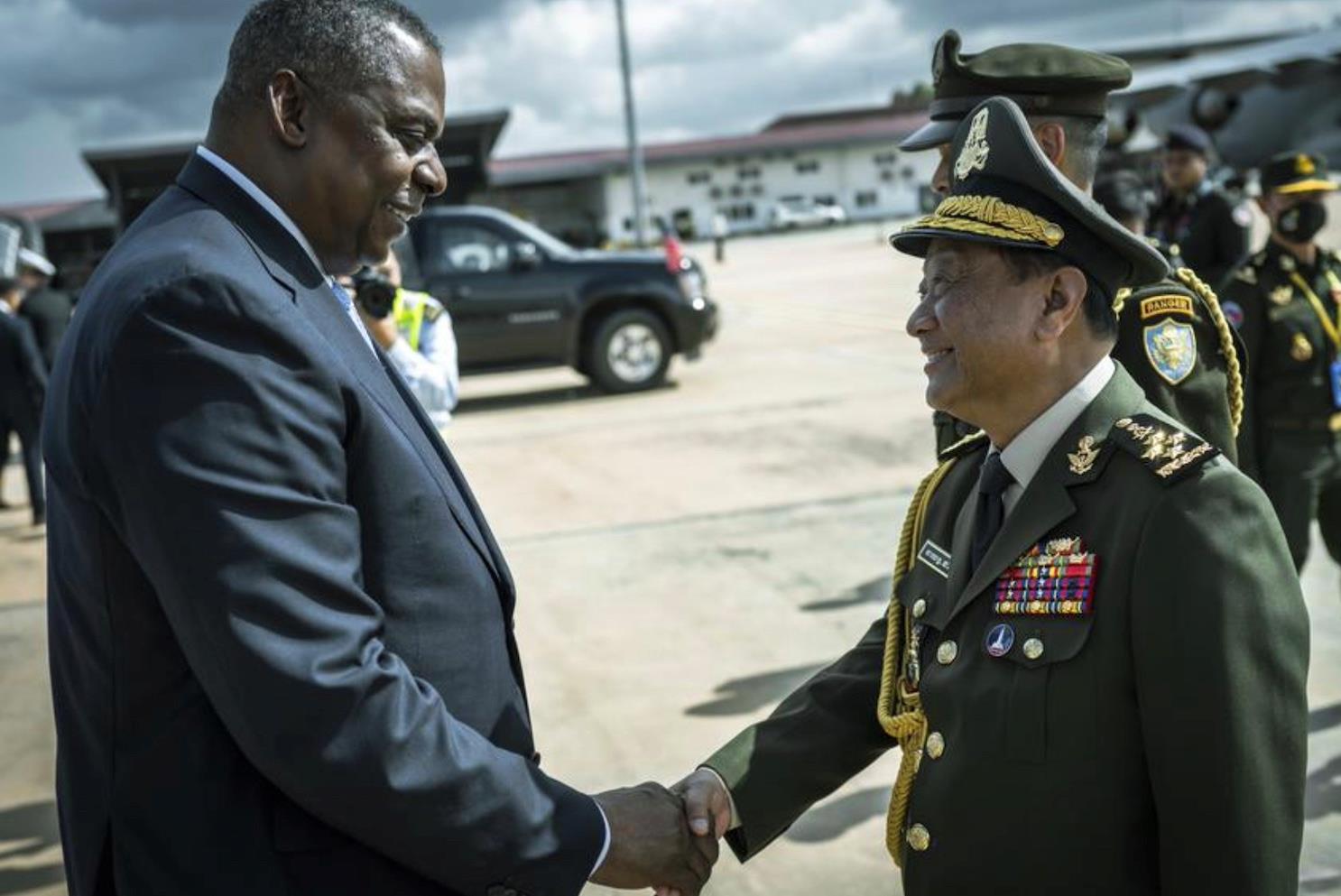
Austin to Cambodia opens the way for big defense reset

No breakthrough, no breakdown at Shangri-La
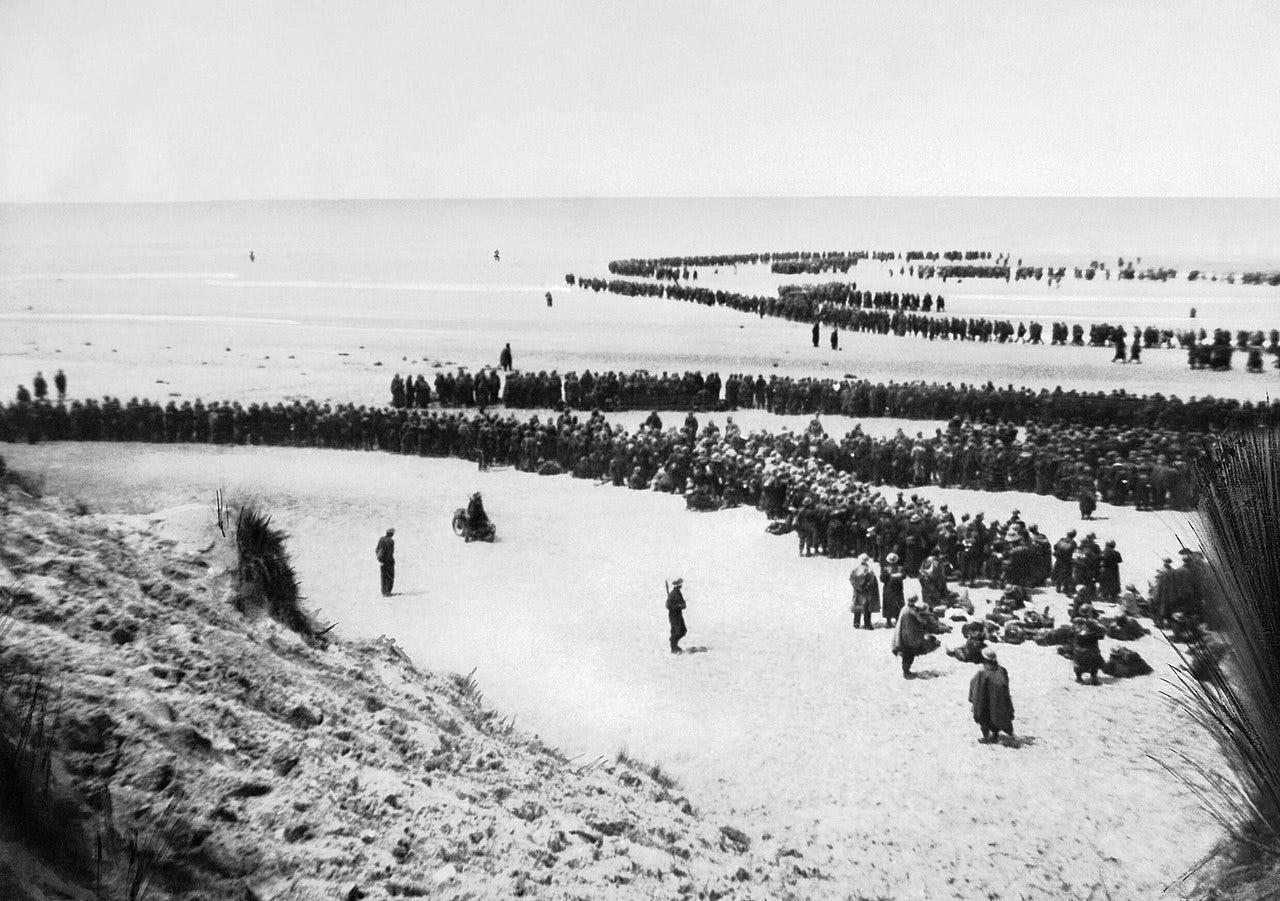
Dunkirk 26-29 May 1940 – British troops line up on the beach at Dunkirk to await evacuation.
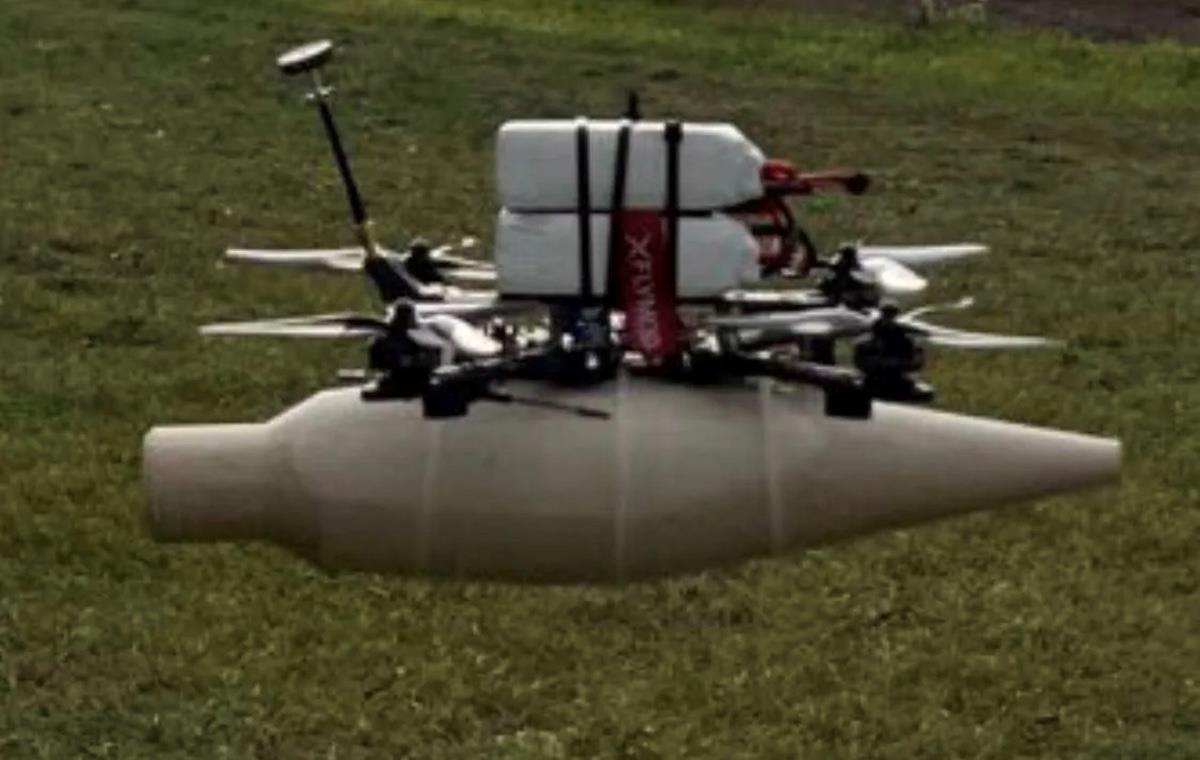
Drone with PG-7VL warhead.

Sign up for one of our free newsletters Already have an account?Sign in Sign up here to comment on Asia Times stories OR
sending troops to Ukraine
(they have been there for some time) and NATO countries are demanding strikes deep inside Russia.
Meanwhile, the US
has secretly made
a“policy shift” that somewhat falls short of what Ukrainian President Volodymyr Zelensky wanted but opens the door to deep strikes by the US on Russian territory.
US Secretary of State
Antony Blinken says
that the US deep strike authorization is“misinformation” but he did not deny the change in US policy. He claims it is Russian disinformation but
the reports came from Washington
and not from Russia.
What is going on? Ukraine is on the
brink of collapse. The Ukrainian army is short on troops, and that gets worse by the day as their army continues to suffer high casualties. According to the Russians, Ukraine
lost 35,000 soldiers in May
(killed and wounded). Ukraine cannot replace the lost soldiers and the forced recruiting program underway can't replace trained personnel.
There also are rumors that Russia may significantly increase its own troop strength on the battle line. Some think that could be reinforcing the ongoing
Kharkov-focused operation. Others are projecting a new battlefront in the Sumy region. Still others think the Russians will soon reinforce their operations along the line of contract, rolling up more territory and finally taking Chasiv Yar.
NATO leaders fear Ukraine's collapse. While they are guessing what the Russians will do next, they are largely out of options to save Ukraine. Inserting NATO soldiers in relatively small numbers is not a solution. It only means that Europe will soon be filled with body bags.
NATO does not want to negotiate with Russia. That goes especially for President Joe Biden, who fears going into the coming elections having lost Afghanistan and Ukraine. Any deal with the Russians today would mean major concessions, not only on territory but about Ukraine's future.
Kim Jong Un's new line more bark than bite
Austin to Cambodia opens the way for big defense reset
No breakthrough, no breakdown at Shangri-La
Russia has not changed its red line in demanding that NATO get out of Ukraine. While the Russians might agree to some security guarantees for Ukraine, it is hard to see how such guarantees have trading value. Would the US go to war with Russia for Ukraine?
The only solid and proven military force in NATO is the United States. But the US force is mainly expeditionary and small, no match for a Russian land army. If anyone wants to see what happens to expeditionary armies, look at Dunkir .
Dunkirk 26-29 May 1940 – British troops line up on the beach at Dunkirk to await evacuation.
The American advantage is in tactical aviation. But again US pilots would have to operate in a dense area denial environment where Russian air defenses could reduce US tactical aviation effectiveness. It is quite true that the US has stealth but the Russians have been working on ways to counter US stealth fighters such as the F-22 and F-35.
No one can say for sure how far along Russia is on being able to target American stealth platforms but Russian strategic defenses are using UHF and L band radars to make sure they are neither surprised nor incapable of handling stealth threats.
That explains why two Russian
strategic radar sites were targeted
by drones in the past week. Was the attack on Russia's strategic radar assets a preparation for the introduction of US strategic bombers and tactical aviation into the Ukraine war?
The“new” US policy on strikes inside Russian territory appears to be“limited” to counter-battery strikes in the Kharkov region, meaning inside Russian territory around Belgorod, a Russian city that has already been targeted by Ukrainian artillery and drone strikes. The other significant limitation is that the US will not allow ATACMS missiles to be fired into Russian territory (excluding Crimea which the Russians regard as their territory).
The Russians say that the US policy is largely meaningless because US and NATO weapons are already being used on Russia's territory. Russian President Vladimir Putin,
speaking in Tashkent , said that the US and NATO are manning the long-range weapons and providing target intelligence for them, so the“new” policy is not new at all.
Striking deep in Russia sounds like an attractive military option but it is far from clear such attacks can change the course of the war in Ukraine. The best option Ukraine has in trying to push back the Russians is the use of drones, most of which are Chinese in origin and modified by Ukraine to carry explosive ordnance, mainly RPG-7 warheads.
These can kill a tank or armored vehicle, or even the occasional command center or air defense radar. Ukraine has been firing them in the thousands and they are moderately effective.
It is noteworthy that the Chinese keep selling them to the Ukrainians even though their friend and ally is Russia. It is also interesting that the Russians say nothing about it. Yet it seems that the fastest way for Russia to end the Ukraine war would be to stop the supply of drones.
Drone with PG-7VL warhead.
There are a number of Chinese drone companies but the biggest and most important is DJI (Da Jiang Innovations), which controls 70-80% of the world market. There also are drone suppliers in Europe and the United States but they do not produce in high volume.
The change in US policy is encouraged by many of the NATO countries with some notable exceptions. Hungary, which is against NATO involvement in Ukraine, opposes deep strikes in Russian territory.
More relevantly,
Italy has come out against
the idea.
The
Germans , for their part and for what it is worth, say they support deep strikes but so far at least will not supply Taurus missiles, their only deep strike cruise missile weapon.
Sign up for one of our free newsletters
- The Daily ReportStart your day right with Asia Times' top stories AT Weekly ReportA weekly roundup of Asia Times' most-read stories
It is hard to say what the Russians will do beyond what they are already doing. The new policy, unfortunately, commits NATO to a war with Russia and approaches a declaration of war against Russia.
This means that the Russians could retaliate and some in Russia are known to be pushing for that.
Doing so would instantly expand the war to Europe, a policy shift Putin has resisted.
The likely result of all this is that the Ukraine war will continue. NATO will take even more losses, including NATO soldiers. Behind the scenes, plans to use air power or NATO ground forces are unlikely to be implemented given the dire consequences for Europe. NATO's flirtation with a bigger war is horribly risky, as serious thinkers in Europe and the United States realize.
Spooking the Russians to back off by attacking Russian territory or sending in French soldiers will not work as the
Russians have already priced in that reality and are plowing ahead with the war in Ukraine.
Furthermore, NATO's failure to negotiate over Ukraine means the bleeding out of NATO's already limited capabilities will continue.
Some NATO states may decide they need to look elsewhere for security. Is NATO flirting with extinction?
Stephen Bryen served as staff director of the Near East Subcommittee of the US Senate Foreign Relations Committee
and as a deputy undersecretary of defense for policy.
This article was first published on his
Weapons and Strategy
Substack and is republished with permission.
Thank you for registering!
An account was already registered with this email. Please check your inbox for an authentication link.

Legal Disclaimer:
MENAFN provides the
information “as is” without warranty of any kind. We do not accept
any responsibility or liability for the accuracy, content, images,
videos, licenses, completeness, legality, or reliability of the information
contained in this article. If you have any complaints or copyright
issues related to this article, kindly contact the provider above.
Most popular stories
Market Research

More Story







Comments
No comment