







403
Sorry!!
Error! We're sorry, but the page you were looking for doesn't exist.
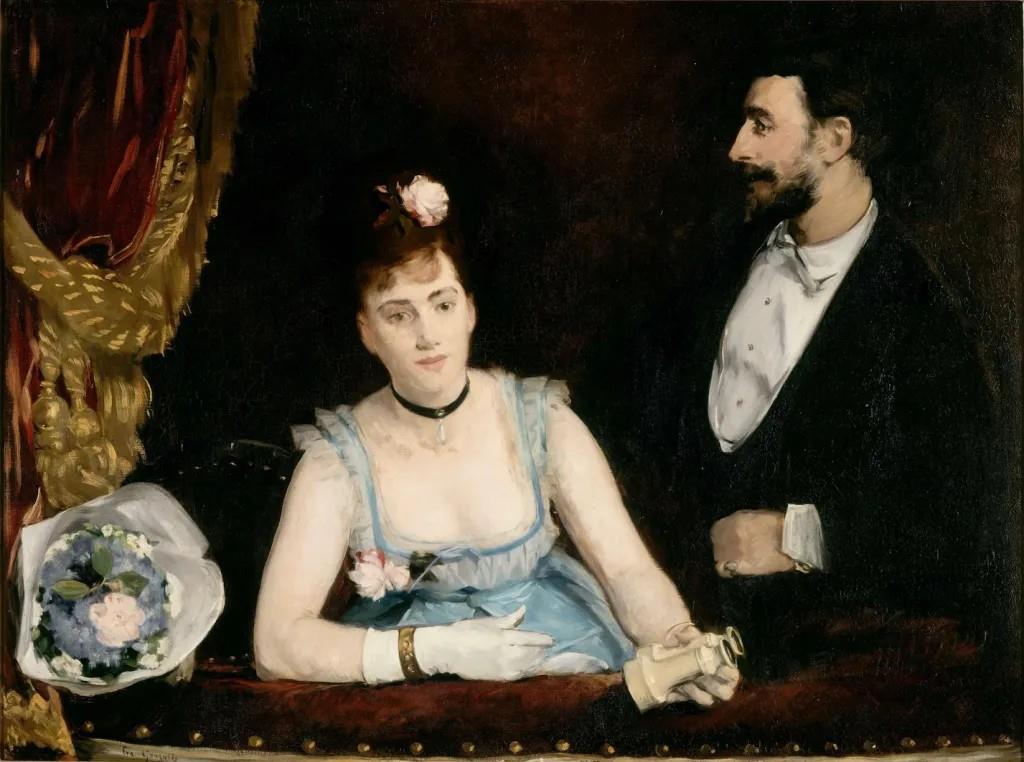
Eva Gonzalès's Legacy Is Being Rewritten Through A Catalogue Raisonné
(MENAFN- USA Art News)
Eva Gonzalès's Legacy Gets a Digital Reset
A new catalogue raisonné is forcing a closer look at how Eva Gonzalès has been placed in art history. The Wildenstein Plattner Institute has released a comprehensive digital index of the French painter's oeuvre, adding newly reattributed works and, for the first time, her sketchbooks. The project does more than expand the record. It also challenges the long-standing habit of treating Gonzalès as an Impressionist by default, despite the fact that she did not identify with the group or exhibit with its members.
That distinction matters. Gonzalès, who was born in Paris and studied with Édouard Manet, built a career that was both adjacent to and distinct from Impressionism. Her paintings are often described through the lens of that movement, yet the new research suggests a more complicated legacy - one shaped as much by later scholarship and market shorthand as by her own practice.
Among the most consequential revisions is Apples in Basket, a work that had been listed as missing in the 1990 catalogue raisonné. In fact, it had been acquired by the Minneapolis Institute of Art under a misattribution to the Belgian painter Isidore Verheyden. Gonzalès's signature was concealed within the composition, painted into a letter, and the museum removed the false attribution in 2007. The new index also includes a portrait of Madame Georges Haquette, née Cyrilla de Montgomery Love, discovered by Pierre Ickowicz in 2024. The watercolor points to Gonzalès's ties to the artistic circle active in Dieppe in the late 1880s.
The update argues that Gonzalès was not neglected in her own lifetime. She exhibited regularly at the Paris Salon beginning in 1870, and Émile Zola praised L'Indolence in 1872. After her death in 1883 at age 34 from postpartum complications, however, her husband, Henri Guérard, organized a retrospective exhibition and auction in 1885, both of which failed commercially. That posthumous disappointment helped shape the terms on which her work was remembered.
The project also raises a broader question that hangs over many catalogue raisonnés today: are they primarily tools of art history, or do they also help organize the market? In Gonzalès's case, the answer may be inseparable from both.

Legal Disclaimer:
MENAFN provides the
information “as is” without warranty of any kind. We do not accept
any responsibility or liability for the accuracy, content, images,
videos, licenses, completeness, legality, or reliability of the information
contained in this article. If you have any complaints or copyright
issues related to this article, kindly contact the provider above.
Most popular stories
Market Research

More Story








Comments
No comment