







403
Sorry!!
Error! We're sorry, but the page you were looking for doesn't exist.
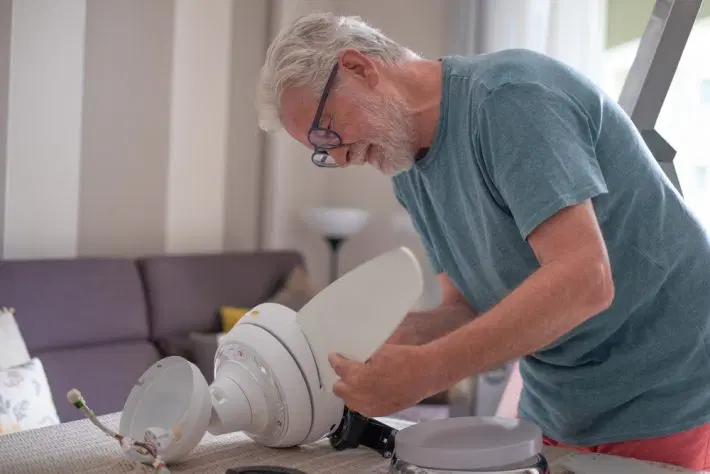
Little-Known Grants: USDA Offers Seniors Up To $10K For Home Repairs And 1% Loans Up To $40K
(MENAFN- Saving Advice) Millions of seniors are living in homes that desperately need repairs, but many simply cannot afford a new roof, safer plumbing, wheelchair ramps, or updated heating systems on a fixed income. What most homeowners do not realize is that the USDA quietly offers one of the most affordable home repair programs in the country through its Section 504 Home Repair Program. Eligible seniors may qualify for grants up to $10,000 that never have to be repaid, while other low-income homeowners can access 1% fixed-interest loans up to $40,000 for essential repairs.
For retirees struggling with aging homes, rising contractor costs, and safety hazards, this little-known federal program could make the difference between staying safely in their home or falling behind on critical maintenance. The catch is that the program has strict income limits, rural eligibility rules, and documentation requirements that many people misunderstand or overlook.
The USDA Section 504 Program Is Designed for Older Homeowners in NeedThe USDA Section 504 Home Repair Program was created to help low-income rural homeowners repair, improve, or modernize aging homes. Seniors age 62 and older who meet income requirements may qualify for grants up to $10,000 specifically to remove health and safety hazards. Other eligible homeowners can apply for low-interest loans up to $40,000 with a fixed 1% interest rate and repayment terms stretching up to 20 years. In some cases, applicants can combine both programs for as much as $50,000 in total assistance. USDA officials say the funds are often used for roof replacements, accessibility upgrades, broken furnaces, electrical hazards, plumbing failures, and other repairs that make homes safer and more livable.
Many Seniors Do Not Realize They May Already QualifyOne of the biggest misconceptions about the USDA home repair program is that people assume“rural” means remote farmland or isolated country property. In reality, many small towns, suburbs, and semi-rural communities across America qualify under USDA eligibility maps. Homeowners must occupy the property as their primary residence and generally have a household income below 50% of their area's median income. Seniors applying for the grant portion must also show they cannot reasonably repay a loan due to financial limitations. A surprising number of retirees living on Social Security or modest pensions may already qualify without realizing it, especially in areas where property taxes and insurance costs have risen sharply in recent years.
The Repairs Covered Can Dramatically Improve SafetyThe USDA program focuses heavily on health and safety hazards rather than cosmetic remodeling projects. That means leaking roofs, faulty wiring, collapsing septic systems, unsafe stairways, broken HVAC systems, and accessibility modifications often qualify for funding. For seniors aging in place, the program may help pay for wheelchair ramps, widened doorways, walk-in showers, or safer flooring to reduce fall risks. USDA examples have included replacing dangerous furnaces, repairing water damage that could cause mold growth, and fixing plumbing systems that threaten sanitation and safety. Families caring for elderly parents are increasingly exploring the program because many aging homeowners delay repairs for years due to inflation and rising contractor costs.
The 1% Loan Terms Are Extremely Rare in Today's EconomyIn a time when many home equity loans and credit cards carry double-digit interest rates, the USDA's 1% fixed-interest loan stands out dramatically. A homeowner borrowing $10,000 through the Section 504 loan program may pay only around $46 per month, depending on repayment terms. The loans can extend up to 20 years, helping seniors and low-income homeowners avoid crushing monthly payments. Financial experts often warn retirees about relying on credit cards or high-interest financing for emergency home repairs because the debt can quickly spiral out of control. The USDA program offers a much safer alternative for qualifying homeowners who need critical repairs but have limited savings available.
The Application Process Requires Patience and DocumentationAlthough the USDA program can be life-changing, applicants should understand that approval is not instant. Homeowners typically need proof of ownership, income documentation, repair estimates, contractor bids, and verification that they cannot obtain affordable credit elsewhere.
Some applicants on Reddit have described the process as paperwork-heavy, especially if forms or supporting documents are missing. One homeowner explained that delays often happen when applicants fail to submit complete information upfront, turning the process into a months-long back-and-forth with USDA offices. Others emphasized that contacting local USDA Rural Development offices directly often works better than relying on confusing third-party websites or unofficial application services.
Beware of Scams and Misleading“Grant” WebsitesAs interest in government repair assistance grows, scammers have increasingly targeted seniors searching for housing grants online. The USDA does not charge homeowners upfront application fees simply to apply for the Section 504 program. Experts recommend avoiding websites that promise“guaranteed approval” or request unnecessary payment information before connecting applicants to official USDA offices. Seniors should always begin with the official USDA Rural Development website or contact their local USDA office directly. Families should also remember that grant funds are limited, meaning approvals may depend on annual funding availability and local demand.
This Program Could Help Seniors Stay in Their Homes LongerFor seniors struggling with expensive home repairs, the USDA Section 504 program may be one of the best-kept secrets in federal housing assistance. Grants up to $10,000 and 1% loans up to $40,000 can help older Americans repair dangerous conditions without turning to high-interest debt. With more retirees choosing to age in place, programs like this are becoming increasingly important as homes continue aging alongside their owners. The key is understanding the eligibility rules, gathering documentation carefully, and applying through official USDA channels rather than unofficial third-party sites. For many families, this assistance could mean the difference between remaining safely at home or facing unsafe living conditions they can no longer afford to fix.
Have you or someone you know ever applied for a government home repair grant or loan program? What was your experience like?

Legal Disclaimer:
MENAFN provides the
information “as is” without warranty of any kind. We do not accept
any responsibility or liability for the accuracy, content, images,
videos, licenses, completeness, legality, or reliability of the information
contained in this article. If you have any complaints or copyright
issues related to this article, kindly contact the provider above.
Most popular stories
Market Research

More Story








Comments
No comment