

403
Sorry!!
Error! We're sorry, but the page you were looking for doesn't exist.
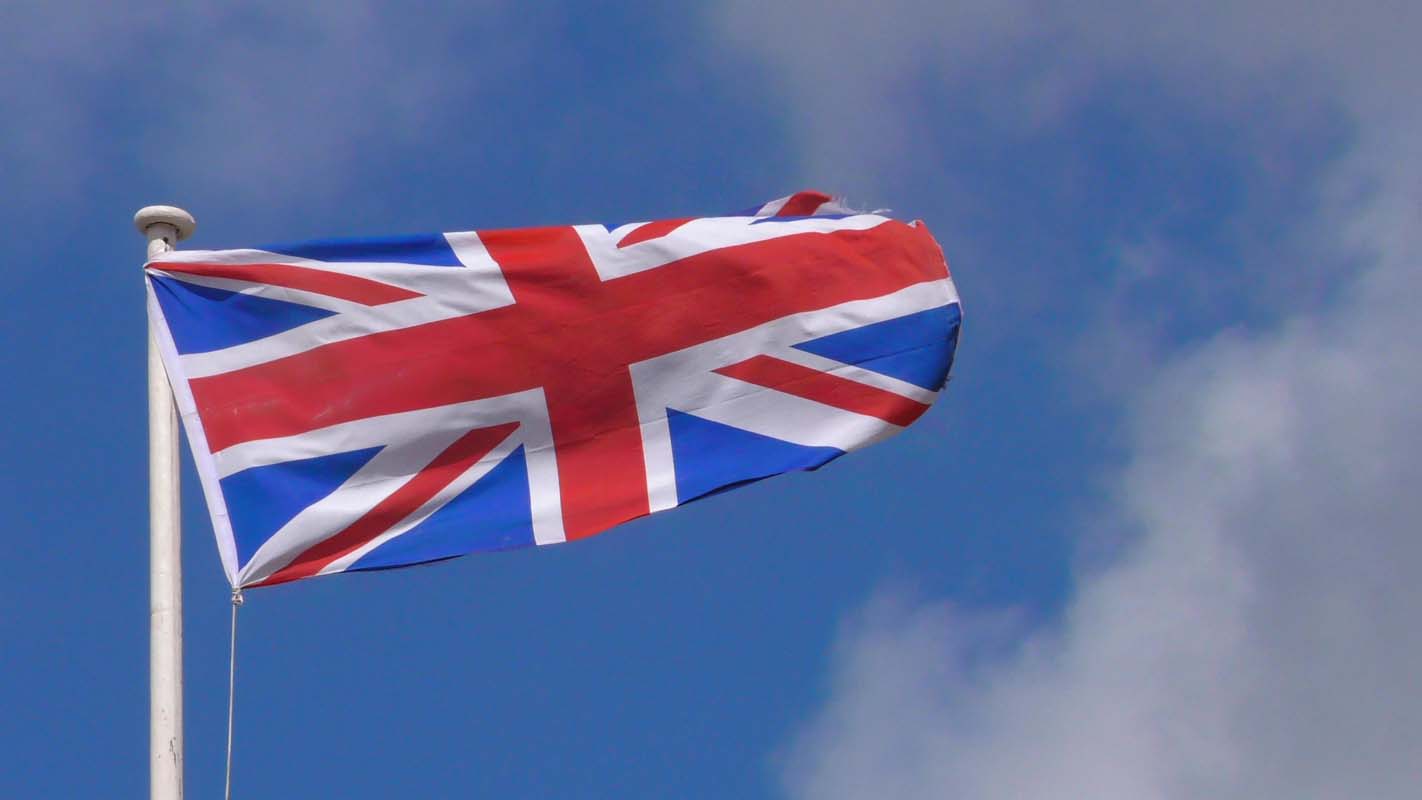
UK Denies Sanctions U-Turn After Allowing Russian Fuel Imports


(MENAFN) The British government has moved to quell a political firestorm after issuing a temporary license permitting imports of Russian-origin diesel and jet fuel, flatly denying accusations of sanctions relief while insisting the measure was an unavoidable response to energy market turbulence triggered by the Middle East conflict.
The license, taking effect Wednesday, effectively rolls back a commitment made by Prime Minister Keir Starmer's government to prohibit imports of fuel refined from Russian crude at third-country facilities — reopening a backdoor channel for sanctioned Russian oil to reach the British market via refiners in nations such as India and Türkiye. Western powers have maintained sanctions and price-cap mechanisms on Russian oil exports since the 2022 escalation of the Ukraine conflict in a sustained effort to erode Moscow's revenues.
The UK's move follows a parallel decision by Washington, which on Monday extended a sanctions waiver permitting limited purchases of Russian seaborne oil to assist vulnerable nations grappling with supply disruptions following the effective closure of the Strait of Hormuz during the US-Israeli war on Iran.
The backlash from the opposition was swift and pointed. Former Conservative cabinet minister David Lidington branded the decision to loosen restrictions on Russian oil "an appalling betrayal of Ukraine," a charge amplified by Tory leader Kemi Badenoch, who posted on X that "after 18 months of 'standing up to Putin', the Labour government quietly eased the restrictions."
Starmer's cabinet scrambled to contain the damage, framing the controversy as a failure of messaging rather than policy. Business and Trade Department official Chris Bryant acknowledged before the Commons that "we've handled this clumsily," apologising for "giving the wrong impression."
Starmer himself — navigating a domestic crisis and mounting calls for his resignation — characterised the licenses as "short-term" and sought to reframe the narrative, arguing that the government was simultaneously introducing "a strong new package" of restrictions targeting Russian LNG and refined oil products.
"These are new sanctions being phased in. This is not a question of lifting existing sanctions in any way whatsoever," he told Parliament. British media reports, however, indicate that imports of Russian-origin fuels are permitted for an indefinite period — a detail that complicates the government's framing.
Russian Deputy Prime Minister Aleksander Novak seized on the developments in both London and Washington as evidence that the Western sanctions architecture was buckling under the weight of the Middle East energy crisis.
"Without Russian oil and oil products, global markets cannot cope today," Novak told Vesti on Wednesday.
Moscow has repeatedly positioned itself as a ready supplier capable of filling any oil supply void created by the Middle East turmoil, and several Asian nations have already moved to secure Russian crude since Washington first relaxed its restrictions.
The license, taking effect Wednesday, effectively rolls back a commitment made by Prime Minister Keir Starmer's government to prohibit imports of fuel refined from Russian crude at third-country facilities — reopening a backdoor channel for sanctioned Russian oil to reach the British market via refiners in nations such as India and Türkiye. Western powers have maintained sanctions and price-cap mechanisms on Russian oil exports since the 2022 escalation of the Ukraine conflict in a sustained effort to erode Moscow's revenues.
The UK's move follows a parallel decision by Washington, which on Monday extended a sanctions waiver permitting limited purchases of Russian seaborne oil to assist vulnerable nations grappling with supply disruptions following the effective closure of the Strait of Hormuz during the US-Israeli war on Iran.
The backlash from the opposition was swift and pointed. Former Conservative cabinet minister David Lidington branded the decision to loosen restrictions on Russian oil "an appalling betrayal of Ukraine," a charge amplified by Tory leader Kemi Badenoch, who posted on X that "after 18 months of 'standing up to Putin', the Labour government quietly eased the restrictions."
Starmer's cabinet scrambled to contain the damage, framing the controversy as a failure of messaging rather than policy. Business and Trade Department official Chris Bryant acknowledged before the Commons that "we've handled this clumsily," apologising for "giving the wrong impression."
Starmer himself — navigating a domestic crisis and mounting calls for his resignation — characterised the licenses as "short-term" and sought to reframe the narrative, arguing that the government was simultaneously introducing "a strong new package" of restrictions targeting Russian LNG and refined oil products.
"These are new sanctions being phased in. This is not a question of lifting existing sanctions in any way whatsoever," he told Parliament. British media reports, however, indicate that imports of Russian-origin fuels are permitted for an indefinite period — a detail that complicates the government's framing.
Russian Deputy Prime Minister Aleksander Novak seized on the developments in both London and Washington as evidence that the Western sanctions architecture was buckling under the weight of the Middle East energy crisis.
"Without Russian oil and oil products, global markets cannot cope today," Novak told Vesti on Wednesday.
Moscow has repeatedly positioned itself as a ready supplier capable of filling any oil supply void created by the Middle East turmoil, and several Asian nations have already moved to secure Russian crude since Washington first relaxed its restrictions.

Legal Disclaimer:
MENAFN provides the
information “as is” without warranty of any kind. We do not accept any
responsibility or liability for the accuracy, content, images, videos,
licenses, completeness, legality, or reliability of the information
contained in this article. If you have any complaints or copyright issues
related to this article, kindly contact the provider above.
Comments
No comment