







403
Sorry!!
Error! We're sorry, but the page you were looking for doesn't exist.
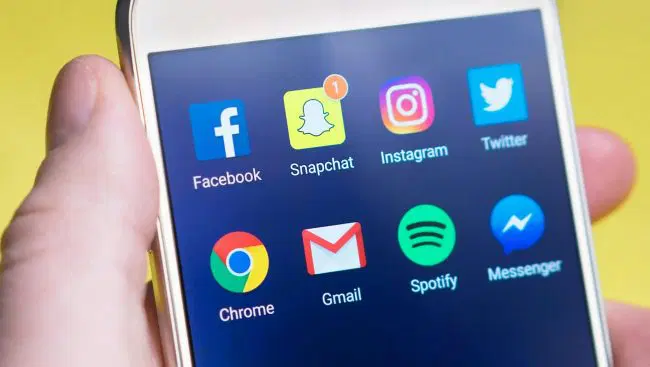
Why Narcissists Love Social Media - And How To Spot Their Telltale Posts
(MENAFN- Budget and the Bees) Social media can be a fun place to share milestones, jokes, and daily life, but it can also reveal deeper personality patterns. Experts have long studied the relationship between narcissists and social media, noting how platforms built around attention, image, and validation can amplify certain behaviors. Research has linked higher narcissistic traits with increased selfie posting, self-promotion, and online validation seeking. That does not mean everyone who posts confidently is narcissistic, but some online habits can raise red flags. Understanding those patterns can help people protect their emotional well-being and navigate digital relationships more wisely.They Turn Everyday Moments Into Personal Spotlight Events
One reason narcissists and social media often go hand in hand is the constant opportunity for attention and admiration. A simple dinner photo can become a lengthy story about status, exclusivity, or how others envy their lifestyle. You might notice posts that repeatedly highlight luxury purchases, insider access, dramatic achievements, or carefully curated perfection without much authenticity behind them. In real life, this can look like someone spending more time staging the perfect vacation photo than enjoying the actual trip. The goal is not always connection; it is often control over how others perceive them.
Their Posts Crave Validation - and React Poorly to CriticismA strong clue in the narcissists and social media dynamic is an intense hunger for likes, praise, and public agreement. Someone may post provocative opinions, emotional stories, or exaggerated accomplishments and then closely monitor reactions throughout the day. If comments are overwhelmingly positive, they thrive on the attention, but even mild criticism can trigger defensive replies, passive-aggressive posts, or public victim narratives. Mental health professionals often note that narcissistic traits can include fragile self-esteem hidden beneath apparent confidence. That contradiction helps explain why online criticism sometimes produces outsized reactions.
Watch for Performative Empathy and Relationship ShowmanshipNot every emotional or generous post is manipulative, but narcissists and social media can create a pattern of performative caring designed for an audience. You may see highly polished“kindness” posts that appear more focused on showcasing the poster's virtue than helping anyone involved. Relationship content can follow a similar pattern, with grand romantic declarations one week followed by public conflict or vague blame-posting the next. A relatable example is the person who constantly posts about being the“best partner” or“most loyal friend” while people close to them describe very different behavior offline. Consistency between online identity and real-world conduct matters far more than a perfectly curated feed.
What Healthy Awareness Looks Like in a Scroll-Driven WorldSpotting possible narcissistic behavior online does not mean diagnosing strangers from Instagram captions or TikTok videos. Healthy confidence, self-promotion for work, and celebrating success are normal parts of modern digital life. The key is noticing repeated patterns involving excessive self-focus, validation dependence, image management, and hostility toward disagreement. If someone's content regularly leaves you feeling manipulated, emotionally drained, or pressured to admire them, your reaction deserves attention. Trusting your instincts, setting boundaries, and limiting exposure to unhealthy online dynamics can be powerful forms of self-care.
The Lesson Behind the Likes and FiltersThe connection between narcissists and social media is not about judging every selfie or confident post. It is about recognizing when online behavior becomes a nonstop performance built around admiration, control, and emotional manipulation. Social platforms reward visibility, but healthy relationships still depend on empathy, accountability, and genuine connection beyond the screen. Paying attention to recurring digital patterns can help people make smarter decisions about who they follow, trust, and allow into their emotional space.
Have you ever noticed social media behavior that felt more about validation than authenticity, and how did you handle it? Share your thoughts in the comments - your experience could help someone else recognize the signs.

Legal Disclaimer:
MENAFN provides the
information “as is” without warranty of any kind. We do not accept
any responsibility or liability for the accuracy, content, images,
videos, licenses, completeness, legality, or reliability of the information
contained in this article. If you have any complaints or copyright
issues related to this article, kindly contact the provider above.
Most popular stories
Market Research

More Story







Comments
No comment