







403
Sorry!!
Error! We're sorry, but the page you were looking for doesn't exist.
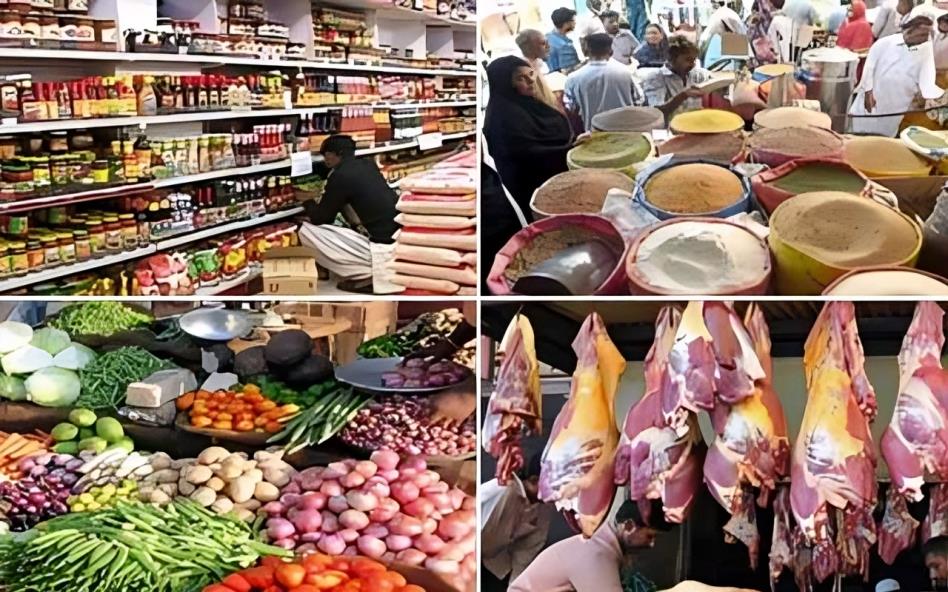
Economic Growth Or Economic Burden? The Common Man's Reality
(MENAFN- Tribal News Network) In today's era, Pakistan is going through an economic phase where the life of the common person has become more difficult than ever before.
Inflation is continuously increasing, spreading across electricity, gas, petrol, and everyday essential commodities.
Limited income and rising expenses have placed severe pressure on the middle and lower classes, making survival a constant struggle.
There was a time when salaried individuals could easily meet household expenses and even manage some savings, but today even basic necessities such as flour, sugar, vegetables, meat, milk, medicines, and education have become difficult to afford.
For daily wage workers, rickshaw drivers, and low-income individuals, every day brings the uncertainty of employment-if there is no income today, how will the household run? Even the middle class is trapped in debt and mental stress.
As a result, unrest and frustration in society are increasing. If development is happening, then why is inflation rising? If the economy is improving, then why is unemployment increasing? And if policies are successful, then why is the life of the common man becoming harder? These questions have now become the voice of every street, neighborhood, and household.
Different opinions exist on this issue. Some hold the government responsible, while others cite global economic conditions, the rising dollar rate, import costs, political instability, and corruption as the main causes. Some experts and ordinary people agree that the real issue is the widening gap between income and expenses.
The reality is that if income remains the same while expenses multiply, maintaining economic balance becomes nearly impossible. For example, a person who once managed comfortably on 50,000 rupees now finds even that amount insufficient for basic monthly expenses. This is why anxiety, mental stress, and fear of the future are rapidly increasing in society.
Also Read: In the Age of Social Media, Have We Forgotten the Dignity of Grief and Death?
The solution to this situation is not just complaint, but practical action. If we only blame the government and do not bring any change ourselves, improvement will be difficult.
First of all, financial planning is essential for every household. Budgeting is not a habit but a necessity. Based on monthly income, clearly distinguish between necessary and unnecessary expenses and keep a record of small expenditures to understand where money is being spent and where savings are possible.
Second, dependence on a single source of income should be reduced. In today's time, one income source is often not enough, so it is important to explore additional sources of income.
Through mobile and internet, freelancing, online tutoring, home-based businesses, sewing, small businesses, and digital skills can help increase income. Women and youth can both benefit from these opportunities and improve their financial situation.
Third, it is important to understand the difference between needs and desires. Not everything needs to be purchased, as expensive mobile phones, branded clothes, and unnecessary expenses increase financial pressure.
In difficult times, adopting a simple lifestyle is better. Small savings over time can become a great support, so the habit of saving every month should be adopted.
In conclusion, Pakistan's economic conditions are certainly difficult but not impossible. If the government formulates better policies, the public adopts financial discipline, and young people acquire skills, then conditions can improve.
Note: This article is based on the author's personal opinion, and the institution is not necessarily in agreement with it.

Legal Disclaimer:
MENAFN provides the
information “as is” without warranty of any kind. We do not accept
any responsibility or liability for the accuracy, content, images,
videos, licenses, completeness, legality, or reliability of the information
contained in this article. If you have any complaints or copyright
issues related to this article, kindly contact the provider above.
Most popular stories
Market Research

More Story








Comments
No comment