





403
Sorry!!
Error! We're sorry, but the page you were looking for doesn't exist.
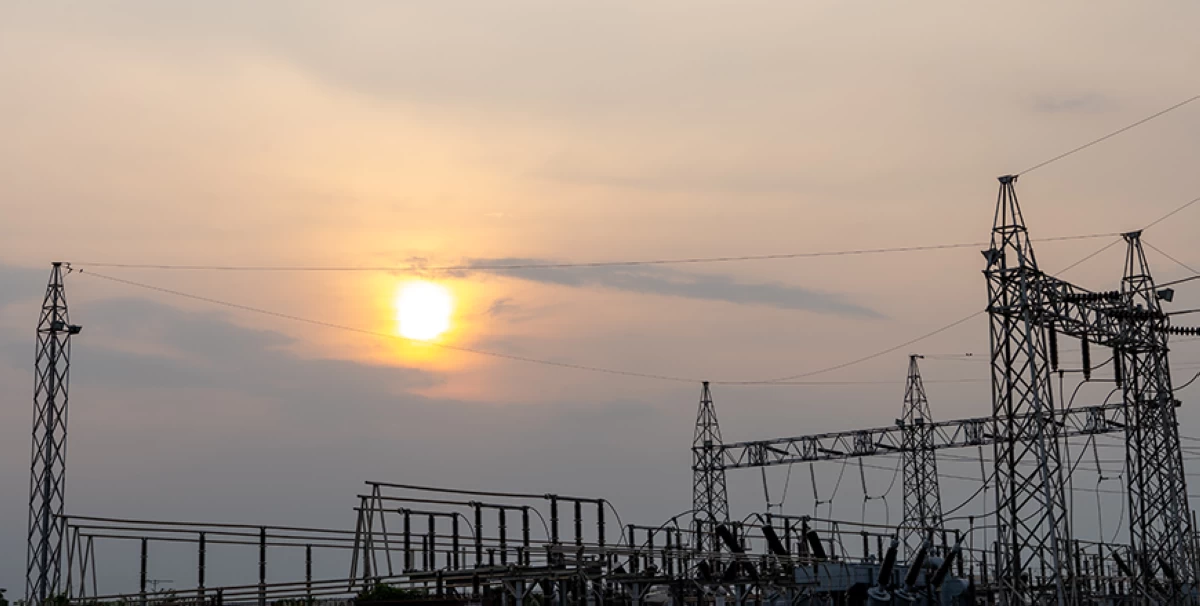
Jordan Advances Electricity Interconnection Projects To Boost Energy Security, Exports - NEPCO
(MENAFN- Jordan Times)
AMMAN - Director General of National Electric Power Company (NEPCO) SofianBataineh said that Jordan is continuing to advance electricity interconnection projects with neighbouring countries, as part of efforts to strengthen energy security, expand electricity exports and position the Kingdom as a regional energy hub.
In remarks to The Jordan Times, Bataineh said that the projects with Egypt, Iraq, Palestine, Saudi Arabia, Syria and Lebanon carry significant economic and strategic importance, as they enhance regional integration in the electricity sector and support Jordan's transition towards renewable energy.
Regarding the Jordan-Egypt electricity interconnection, Bataineh said the two sides agreed in 2023 to reinforce the existing link by adding two cables with a capacity of 1,100 megawatts each.
He noted that the Egyptian side secured financing from the Arab Bank for Economic Development in Africa to appoint a consultant for technical and economic studies related to the project, adding that consultancy firms are currently being contacted to submit bids.
On the Jordan-Iraq interconnection project, Bataineh said around 40 megawatts have been supplied to Iraq's western Rutba region since March 30, 2024 through the Jordanian-Iraqi transmission line operating at 132 kilovolts.
He added that all electricity interconnection works at the Risha substation and the 400-kilovolt transmission line on the Jordanian side have been completed, while work on the Iraqi side is expected to conclude during 2026.
Once fully operational, the project is expected to supply Iraq with between 150 and 200 megawatts, according to Bataineh.
As for the electricity interconnection with Palestine, Bataineh said Jordan began exporting electricity in mid-July 2022 through the Rama substation, which operates at 33/132 kilovolts with a capacity of 80 megavolt-amperes.
He added that a second transformer has since been installed and commissioned at the station to improve the reliability of electricity supplies to the Palestinian side.
Batainehsaid that cooperation is currently ongoing on a 132-kilovolt interconnection project, with the Palestinian side appointing a consultant to prepare feasibility studies while joint follow-up meetings continue remotely.
Concerning the Saudi interconnection project, Bataineh said all draft agreements related to the project, including the interconnection and operational agreements, have been finalised but not yet signed.
He added that discussions were still underway on the commercial agreement, including proposed scenarios for energy exchange periods and pricing mechanisms suitable for both sides.
On the Syria and Lebanon interconnection, Bataineh said Jordan and Lebanon signed an electricity exchange agreement in early 2022, alongside an agreement to transmit electricity through the Syrian grid.
Under the agreement, Jordan would supply Lebanon with 150 megawatts between midnight and 6:00am, and 250 megawatts between 6:00am and midnight via Syria's electricity network.
Bataineh said that implementation has not yet begun because the agreements have not entered into force, citing incomplete approvals from the Syrian and Lebanese sides as well as the lack of technical readiness of transmission lines inside Syrian territory.
Bataineh stressed that the interconnection projects would help lower electricity production costs by enabling countries to exchange power based on demand and peak consumption periods, while also allowing Jordan to export surplus renewable energy.
“These projects strengthen Jordan's position as a regional centre for electricity transmission and exchange,” he said, noting that they also improve grid stability and reliability during emergencies and outages.
He also said that the projects are expected to positively impact Jordan's energy bill and public finances by reducing reliance on imported fuel and increasing revenues from electricity exports.
Bataineh also said that the projects could contribute to lowering electricity costs for consumers in the long term, while generating broader economic benefits through increased investment and improved efficiency in the energy sector.
He noted that electricity interconnection projects would enable Jordan to maximise the use of surplus renewable energy, particularly from solar and wind sources, by exporting excess electricity to neighbouring countries according to differing demand periods and improving overall grid stability.

Legal Disclaimer:
MENAFN provides the
information “as is” without warranty of any kind. We do not accept
any responsibility or liability for the accuracy, content, images,
videos, licenses, completeness, legality, or reliability of the information
contained in this article. If you have any complaints or copyright
issues related to this article, kindly contact the provider above.
Most popular stories
Market Research








Comments
No comment