



403
Sorry!!
Error! We're sorry, but the page you were looking for doesn't exist.
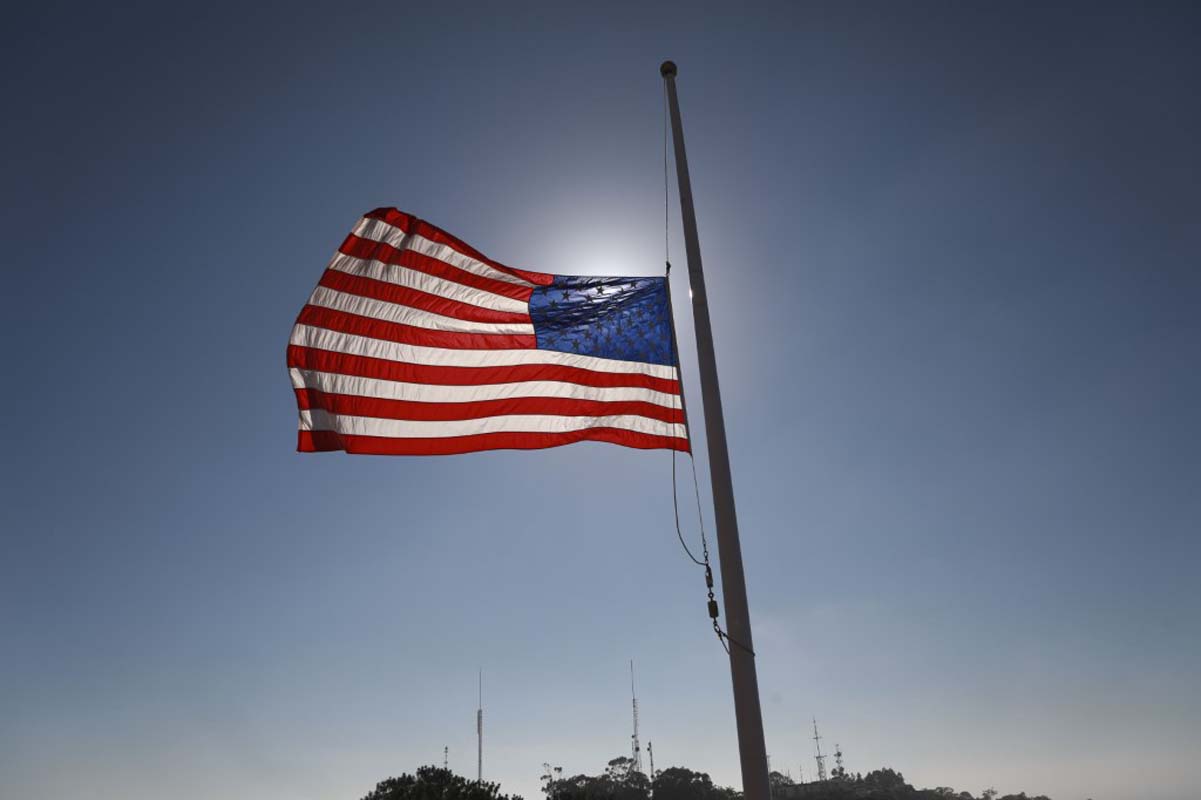
Thune says new set of US sanctions on Russia is currently on hold
(MENAFN) A forthcoming package of US sanctions targeting Russia remains on hold pending authorization from the White House, according to Senate Majority Leader John Thune.
His remarks came shortly after reports confirmed that a planned meeting between President Donald Trump and Russian President Vladimir Putin in Hungary had been postponed. Thune had previously tied the timing of the sanctions rollout to the outcome of that anticipated summit.
"We want to put it on the floor when the White House believes it’s useful to them to get Putin to the table, and to get a deal that ends the war. So we’re prepared to act," Thune told reporters following a lunch meeting with the president. "We want to do everything we can to support the president, his team's efforts and the efforts of our allies to bring this, the bloodshed to an end in a peaceful conclusion."
The sanctions legislation, which enjoys overwhelming bipartisan support with 85 backers in the 100-member Senate, is expected to move quickly once formally introduced. For now, however, it awaits the president’s signal to proceed.
Earlier that day, according to reports, a White House official said that plans for a second Trump-Putin summit were paused following what was described as a “productive” phone conversation between Secretary of State Marco Rubio and Russian Foreign Minister Sergey Lavrov.
Trump had earlier announced—after a mid-October call with Putin—that he intended to meet the Russian leader in Budapest within two weeks. Lavrov and Rubio were scheduled to finalize the meeting’s details this week, but those arrangements have also been canceled, as noted by the official.
While the reason behind the sudden reversal was not immediately explained, sources indicate that Moscow objected to Trump’s demand for a ceasefire in Ukraine that would maintain the current battle lines, a position the Kremlin views as unfavorable.
Lavrov told reporters Tuesday that such a condition contradicts earlier commitments made between the two leaders during their August talks in Alaska. He also hinted that European leaders may have pressured Washington to adjust its position, advocating for a temporary truce rather than a permanent settlement.
Meanwhile, in a joint declaration issued the same day, European Union officials and leaders of major European states reiterated that any negotiations should start from the present line of contact and that no country’s borders should be altered by force.
His remarks came shortly after reports confirmed that a planned meeting between President Donald Trump and Russian President Vladimir Putin in Hungary had been postponed. Thune had previously tied the timing of the sanctions rollout to the outcome of that anticipated summit.
"We want to put it on the floor when the White House believes it’s useful to them to get Putin to the table, and to get a deal that ends the war. So we’re prepared to act," Thune told reporters following a lunch meeting with the president. "We want to do everything we can to support the president, his team's efforts and the efforts of our allies to bring this, the bloodshed to an end in a peaceful conclusion."
The sanctions legislation, which enjoys overwhelming bipartisan support with 85 backers in the 100-member Senate, is expected to move quickly once formally introduced. For now, however, it awaits the president’s signal to proceed.
Earlier that day, according to reports, a White House official said that plans for a second Trump-Putin summit were paused following what was described as a “productive” phone conversation between Secretary of State Marco Rubio and Russian Foreign Minister Sergey Lavrov.
Trump had earlier announced—after a mid-October call with Putin—that he intended to meet the Russian leader in Budapest within two weeks. Lavrov and Rubio were scheduled to finalize the meeting’s details this week, but those arrangements have also been canceled, as noted by the official.
While the reason behind the sudden reversal was not immediately explained, sources indicate that Moscow objected to Trump’s demand for a ceasefire in Ukraine that would maintain the current battle lines, a position the Kremlin views as unfavorable.
Lavrov told reporters Tuesday that such a condition contradicts earlier commitments made between the two leaders during their August talks in Alaska. He also hinted that European leaders may have pressured Washington to adjust its position, advocating for a temporary truce rather than a permanent settlement.
Meanwhile, in a joint declaration issued the same day, European Union officials and leaders of major European states reiterated that any negotiations should start from the present line of contact and that no country’s borders should be altered by force.

Legal Disclaimer:
MENAFN provides the
information “as is” without warranty of any kind. We do not accept
any responsibility or liability for the accuracy, content, images,
videos, licenses, completeness, legality, or reliability of the information
contained in this article. If you have any complaints or copyright
issues related to this article, kindly contact the provider above.
Most popular stories
Market Research

More Story







Comments
No comment