




403
Sorry!!
Error! We're sorry, but the page you were looking for doesn't exist.
Europe Veterinary 3D Printing Market: Trends, Growth & Innovations
(MENAFN- stats and research) Introduction to the Veterinary 3D Printing Revolution
The veterinary industry in Europe is undergoing a transformative shift thanks to the revolutionary potential of 3D printing technology. This change is not just about enhancing traditional veterinary care; it's about redefining the boundaries of what's possible in animal healthcare. The rapid expansion of 3D printing technology has brought forward numerous breakthroughs in customized medical treatments, prosthetics, surgical planning, and even tissue engineering for animals.
In 2024, the Europe Veterinary 3D Printing Market was valued at €41.42 million, with projections suggesting it will grow at a compound annual growth rate (CAGR) of 11.1% throughout the forecast period. This surge is driven by advancements in additive manufacturing, which are helping to create tailored solutions for a wide range of veterinary challenges. By integrating technologies like bioprinting, artificial intelligence (AI)-driven 3D modeling, and patient-specific implants, this sector is poised for groundbreaking innovations that will continue to enhance animal health.
Key Drivers Behind the Growth of Veterinary 3D Printing
Personalized Treatment in Veterinary Care
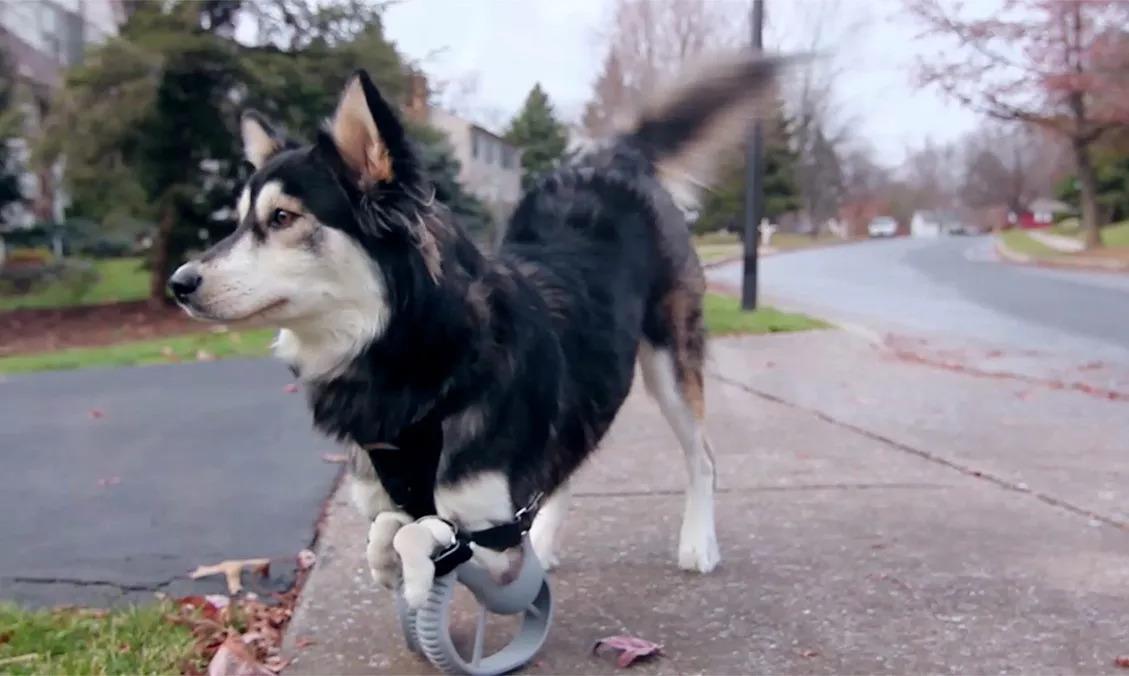
One of the most significant factors fueling the growth of the veterinary 3D printing market in Europe is the increasing demand for personalized treatment. Veterinary hospitals and clinics are increasingly adopting 3D printing solutions to create patient-specific anatomical models, implants, and prosthetics. This enables a higher degree of accuracy in diagnosis, surgical planning, and post-operative recovery, ultimately improving outcomes for animals. Whether it's developing a customized prosthetic for a dog or crafting a precise surgical guide for a feline patient, 3D printing enhances the precision and efficiency of treatments.
Rising Incidence of Orthopedic Conditions and Injuries
The prevalence of orthopedic conditions and traumatic injuries among companion animals and livestock is another critical driver for the veterinary 3D printing market. These conditions often require specialized prosthetics and implants that are not always readily available in traditional veterinary medicine. With the capability to print customized implants tailored to the specific needs of animals, 3D printing technologies are enabling veterinary professionals to offer innovative solutions to previously complex cases. This is particularly crucial in treating congenital deformities and injuries that require intricate, custom-designed solutions for optimal recovery.
Advancements in Bioprinting and Tissue Engineering
Bioprinting, which involves printing tissues and organs layer by layer, is an emerging frontier in veterinary medicine. The potential to create functional tissues and organs for regenerative medicine opens up new possibilities in the treatment of diseases and injuries that were once deemed irreversible. Veterinary clinics are increasingly investing in bioprinting technologies to produce bioengineered tissues for a variety of applications, including wound healing and organ regeneration.
Technological Integration: AI and CAD in Veterinary 3D Printing
The integration of artificial intelligence (AI) and computer-aided design (CAD) has brought remarkable advancements to veterinary 3D printing. AI-driven tools optimize the design process, ensuring that 3D-printed models and implants are both functional and accurate. These technologies facilitate the creation of patient-specific designs, which in turn enhance the accuracy of surgeries and reduce the risk of complications. With the ability to analyze large volumes of data, AI models can predict the success of various treatment options, further aiding veterinary professionals in providing the best care for their patients.
Market Segmentation in Veterinary 3D Printing
Understanding the diverse segments that contribute to the veterinary 3D printing market in Europe allows for a more comprehensive view of the industry's development. The key market segments include:
1. By Component
Hardware: This segment dominates the market, accounting for the largest share due to the widespread adoption of advanced 3D printers that enable precise, customized solutions. Veterinary hospitals, research institutions, and biotech firms are increasingly investing in high-quality 3D printing hardware for applications such as surgical planning and prosthetic development.
Software: The software segment is growing rapidly due to its integral role in the design, modeling, and optimization of 3D-printed veterinary products. Software solutions empower veterinary professionals to create detailed and functional models for surgical planning and prosthetic development.
Services: Services in this segment encompass consulting, 3D printing as a service, and post-printing support, all of which are increasingly important as the demand for customized solutions rises.
2. By Material
Polymers: Polymers are the most widely used material in veterinary 3D printing due to their cost-effectiveness, flexibility, and biocompatibility. Polymers are commonly used for creating prosthetics and implants that meet the specific needs of animal patients.
Metals: Metals, particularly titanium, are gaining popularity due to their durability and strength, making them ideal for load-bearing orthopedic implants. This segment is growing rapidly as more complex and customized implants are developed.
Biomaterials: Biomaterials are crucial for creating implants that are biocompatible, allowing for optimal integration with animal tissues. These materials are commonly used in both prosthetics and tissue engineering applications.
3. By Technology
Stereolithography (SLA): SLA technology leads the market due to its ability to produce highly detailed and accurate 3D models and prosthetics, which are crucial for complex veterinary procedures.
Selective Laser Sintering (SLS): SLS is becoming more popular for its ability to create strong, durable, and complex structures, making it particularly suited for implant manufacturing.
4. By Application
Prosthetics and Orthotics: This is the largest application segment, driven by the rising demand for customized, lightweight prosthetics for injured or disabled animals. The ability to print prosthetics that perfectly match an animal's unique anatomy ensures a more comfortable and effective recovery.
Tissue Engineering: This rapidly growing segment holds great promise in regenerative medicine, where bioprinted tissues could eventually help replace damaged organs or tissues in animals.
Dental Implants: Advances in 3D printing are also revolutionizing veterinary dental care, allowing for the development of tailored dental implants for animals suffering from tooth loss or other dental issues.
5. By End-User
Veterinary Hospitals & Clinics: This segment is the dominant end-user group due to the increasing integration of 3D printing into everyday veterinary practices for both surgical planning and the development of customized prosthetics.
Veterinary Research Institutes: Research institutes are significant contributors to the market as they lead innovations in bioprinting, tissue engineering, and regenerative medicine.
Regional Insights: Leading Countries in the Veterinary 3D Printing Market
Germany
Germany holds the largest share of the veterinary 3D printing market in Europe. The country boasts a well-established veterinary healthcare infrastructure and is home to several leading 3D printing companies. Germany is a hub for veterinary research and technology, fostering an environment conducive to the development of cutting-edge 3D printing solutions for animal healthcare.
The U.K.
The U.K. is another major player in the market, with increasing investments in veterinary technology and growing collaboration between academic institutions, veterinary hospitals, and biotechnology firms. The U.K. has a strong focus on advancing bioprinting and tissue engineering solutions for animals.
France and Spain
France and Spain are emerging markets with growing adoption of 3D printing technology in veterinary medicine. France’s focus on precision veterinary medicine and Spain’s expanding number of veterinary clinics integrating 3D printing technology suggest a bright future for the industry in these regions.
Conclusion: The Future of Veterinary 3D Printing
The Europe Veterinary 3D Printing Market is poised for continued growth, fueled by technological advancements and increasing demand for personalized, precise, and efficient veterinary care. Innovations in bioprinting, AI-driven design, and the development of new materials are opening up new possibilities for animal healthcare, offering promising solutions for treating complex injuries, conditions, and diseases. With strong regional leaders like Germany, the U.K., and France, and ongoing research and development, the future of veterinary 3D printing looks incredibly promising.
By embracing 3D printing technologies, veterinary professionals are not only improving the quality of care for animals but are also helping to shape the future of veterinary medicine itself. As technology evolves, we can expect further advancements in precision medicine, bioengineering, and customized treatment solutions for animals, which will continue to redefine veterinary healthcare standards across Europe.
Source: Stats and Research
The veterinary industry in Europe is undergoing a transformative shift thanks to the revolutionary potential of 3D printing technology. This change is not just about enhancing traditional veterinary care; it's about redefining the boundaries of what's possible in animal healthcare. The rapid expansion of 3D printing technology has brought forward numerous breakthroughs in customized medical treatments, prosthetics, surgical planning, and even tissue engineering for animals.
In 2024, the Europe Veterinary 3D Printing Market was valued at €41.42 million, with projections suggesting it will grow at a compound annual growth rate (CAGR) of 11.1% throughout the forecast period. This surge is driven by advancements in additive manufacturing, which are helping to create tailored solutions for a wide range of veterinary challenges. By integrating technologies like bioprinting, artificial intelligence (AI)-driven 3D modeling, and patient-specific implants, this sector is poised for groundbreaking innovations that will continue to enhance animal health.
Key Drivers Behind the Growth of Veterinary 3D Printing
Personalized Treatment in Veterinary Care
One of the most significant factors fueling the growth of the veterinary 3D printing market in Europe is the increasing demand for personalized treatment. Veterinary hospitals and clinics are increasingly adopting 3D printing solutions to create patient-specific anatomical models, implants, and prosthetics. This enables a higher degree of accuracy in diagnosis, surgical planning, and post-operative recovery, ultimately improving outcomes for animals. Whether it's developing a customized prosthetic for a dog or crafting a precise surgical guide for a feline patient, 3D printing enhances the precision and efficiency of treatments.
Rising Incidence of Orthopedic Conditions and Injuries
The prevalence of orthopedic conditions and traumatic injuries among companion animals and livestock is another critical driver for the veterinary 3D printing market. These conditions often require specialized prosthetics and implants that are not always readily available in traditional veterinary medicine. With the capability to print customized implants tailored to the specific needs of animals, 3D printing technologies are enabling veterinary professionals to offer innovative solutions to previously complex cases. This is particularly crucial in treating congenital deformities and injuries that require intricate, custom-designed solutions for optimal recovery.
Advancements in Bioprinting and Tissue Engineering
Bioprinting, which involves printing tissues and organs layer by layer, is an emerging frontier in veterinary medicine. The potential to create functional tissues and organs for regenerative medicine opens up new possibilities in the treatment of diseases and injuries that were once deemed irreversible. Veterinary clinics are increasingly investing in bioprinting technologies to produce bioengineered tissues for a variety of applications, including wound healing and organ regeneration.
Technological Integration: AI and CAD in Veterinary 3D Printing
The integration of artificial intelligence (AI) and computer-aided design (CAD) has brought remarkable advancements to veterinary 3D printing. AI-driven tools optimize the design process, ensuring that 3D-printed models and implants are both functional and accurate. These technologies facilitate the creation of patient-specific designs, which in turn enhance the accuracy of surgeries and reduce the risk of complications. With the ability to analyze large volumes of data, AI models can predict the success of various treatment options, further aiding veterinary professionals in providing the best care for their patients.
Market Segmentation in Veterinary 3D Printing
Understanding the diverse segments that contribute to the veterinary 3D printing market in Europe allows for a more comprehensive view of the industry's development. The key market segments include:
1. By Component
Hardware: This segment dominates the market, accounting for the largest share due to the widespread adoption of advanced 3D printers that enable precise, customized solutions. Veterinary hospitals, research institutions, and biotech firms are increasingly investing in high-quality 3D printing hardware for applications such as surgical planning and prosthetic development.
Software: The software segment is growing rapidly due to its integral role in the design, modeling, and optimization of 3D-printed veterinary products. Software solutions empower veterinary professionals to create detailed and functional models for surgical planning and prosthetic development.
Services: Services in this segment encompass consulting, 3D printing as a service, and post-printing support, all of which are increasingly important as the demand for customized solutions rises.
2. By Material
Polymers: Polymers are the most widely used material in veterinary 3D printing due to their cost-effectiveness, flexibility, and biocompatibility. Polymers are commonly used for creating prosthetics and implants that meet the specific needs of animal patients.
Metals: Metals, particularly titanium, are gaining popularity due to their durability and strength, making them ideal for load-bearing orthopedic implants. This segment is growing rapidly as more complex and customized implants are developed.
Biomaterials: Biomaterials are crucial for creating implants that are biocompatible, allowing for optimal integration with animal tissues. These materials are commonly used in both prosthetics and tissue engineering applications.
3. By Technology
Stereolithography (SLA): SLA technology leads the market due to its ability to produce highly detailed and accurate 3D models and prosthetics, which are crucial for complex veterinary procedures.
Selective Laser Sintering (SLS): SLS is becoming more popular for its ability to create strong, durable, and complex structures, making it particularly suited for implant manufacturing.
4. By Application
Prosthetics and Orthotics: This is the largest application segment, driven by the rising demand for customized, lightweight prosthetics for injured or disabled animals. The ability to print prosthetics that perfectly match an animal's unique anatomy ensures a more comfortable and effective recovery.
Tissue Engineering: This rapidly growing segment holds great promise in regenerative medicine, where bioprinted tissues could eventually help replace damaged organs or tissues in animals.
Dental Implants: Advances in 3D printing are also revolutionizing veterinary dental care, allowing for the development of tailored dental implants for animals suffering from tooth loss or other dental issues.
5. By End-User
Veterinary Hospitals & Clinics: This segment is the dominant end-user group due to the increasing integration of 3D printing into everyday veterinary practices for both surgical planning and the development of customized prosthetics.
Veterinary Research Institutes: Research institutes are significant contributors to the market as they lead innovations in bioprinting, tissue engineering, and regenerative medicine.
Regional Insights: Leading Countries in the Veterinary 3D Printing Market
Germany
Germany holds the largest share of the veterinary 3D printing market in Europe. The country boasts a well-established veterinary healthcare infrastructure and is home to several leading 3D printing companies. Germany is a hub for veterinary research and technology, fostering an environment conducive to the development of cutting-edge 3D printing solutions for animal healthcare.
The U.K.
The U.K. is another major player in the market, with increasing investments in veterinary technology and growing collaboration between academic institutions, veterinary hospitals, and biotechnology firms. The U.K. has a strong focus on advancing bioprinting and tissue engineering solutions for animals.
France and Spain
France and Spain are emerging markets with growing adoption of 3D printing technology in veterinary medicine. France’s focus on precision veterinary medicine and Spain’s expanding number of veterinary clinics integrating 3D printing technology suggest a bright future for the industry in these regions.
Conclusion: The Future of Veterinary 3D Printing
The Europe Veterinary 3D Printing Market is poised for continued growth, fueled by technological advancements and increasing demand for personalized, precise, and efficient veterinary care. Innovations in bioprinting, AI-driven design, and the development of new materials are opening up new possibilities for animal healthcare, offering promising solutions for treating complex injuries, conditions, and diseases. With strong regional leaders like Germany, the U.K., and France, and ongoing research and development, the future of veterinary 3D printing looks incredibly promising.
By embracing 3D printing technologies, veterinary professionals are not only improving the quality of care for animals but are also helping to shape the future of veterinary medicine itself. As technology evolves, we can expect further advancements in precision medicine, bioengineering, and customized treatment solutions for animals, which will continue to redefine veterinary healthcare standards across Europe.
Source: Stats and Research
stats and research
Legal Disclaimer:
MENAFN provides the
information “as is” without warranty of any kind. We do not accept
any responsibility or liability for the accuracy, content, images,
videos, licenses, completeness, legality, or reliability of the information
contained in this article. If you have any complaints or copyright
issues related to this article, kindly contact the provider above.
Most popular stories
Market Research

More Story








Comments
No comment