




403
Sorry!!
Error! We're sorry, but the page you were looking for doesn't exist.
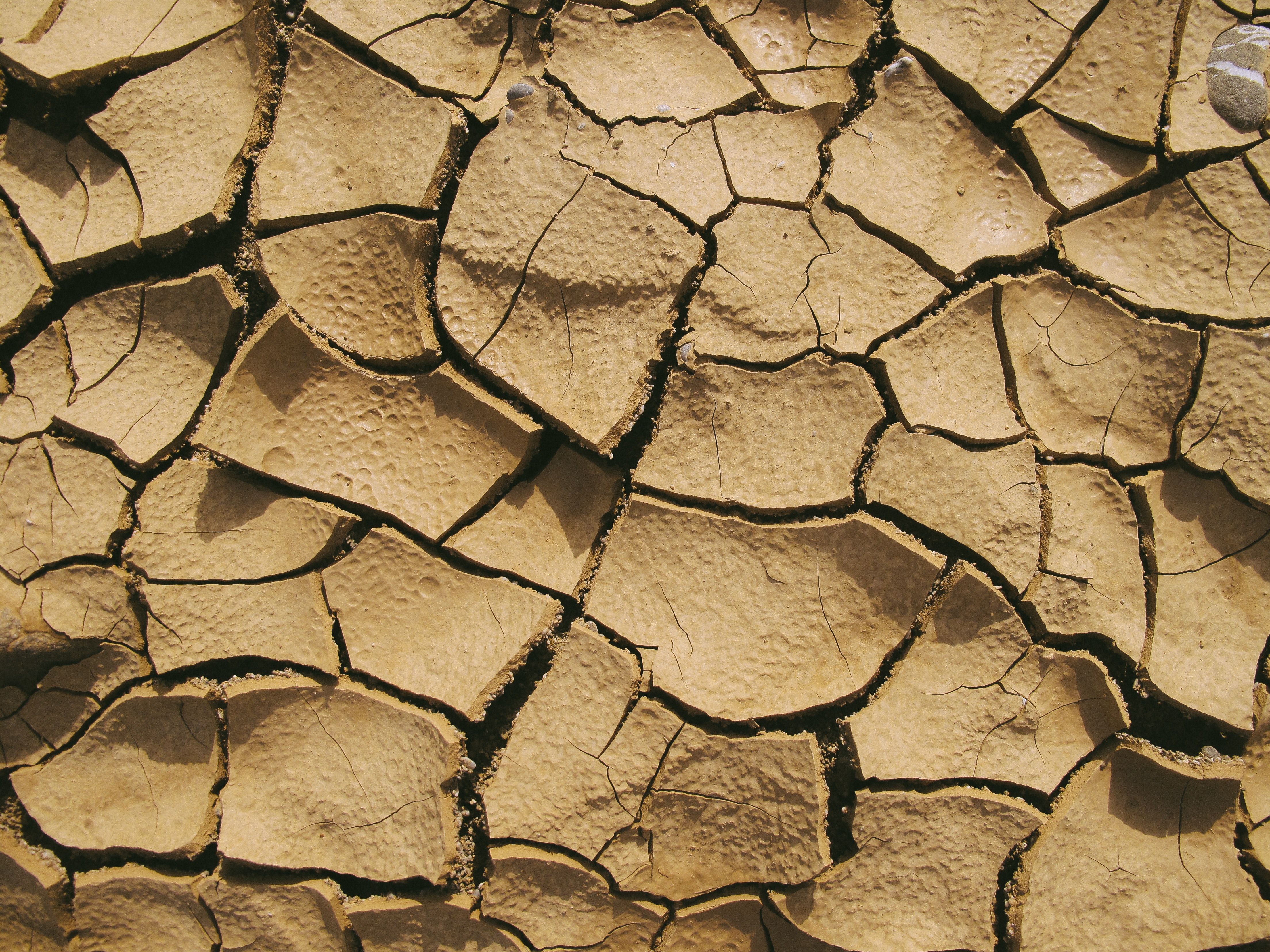
Malawi's leader appeals for USD200M in food aid Amid drought crisis
(MENAFN) In a national address on Saturday evening, President Chakwera declared a state of natural disaster in 23 out of the 28 districts of Malawi, following a government assessment of the agricultural damage caused by El Niño.
He emphasized the challenges posed by delayed and erratic rainfall, insufficient precipitation, floods, and prolonged dry spells in these districts, all of which have severely impacted crop yields and food production prospects. President Chakwera described the situation as "devastating."
Neighboring Zambia had already declared a national disaster in late February due to similar drought-related devastation in its agricultural sector.
According to the United Nations' Food and Agriculture Organization (FAO), major growing areas in Malawi, Mozambique, Namibia, Zambia, and Zimbabwe received only 80 percent of average rainfall during the southern hemisphere summer from mid-November to February.
President Chakwera disclosed that the Malawian government's initial assessment revealed that nearly two million farming households had been affected, with 44.3 percent of the national crop land suffering damage.
To address the crisis, he estimated that around USD200 million worth of maize would be required for a humanitarian response program. President Chakwera urged individuals, both domestically and internationally, who are in a position to provide resources, to support the cause and assist those affected by the devastating consequences of the drought.
He emphasized the challenges posed by delayed and erratic rainfall, insufficient precipitation, floods, and prolonged dry spells in these districts, all of which have severely impacted crop yields and food production prospects. President Chakwera described the situation as "devastating."
Neighboring Zambia had already declared a national disaster in late February due to similar drought-related devastation in its agricultural sector.
According to the United Nations' Food and Agriculture Organization (FAO), major growing areas in Malawi, Mozambique, Namibia, Zambia, and Zimbabwe received only 80 percent of average rainfall during the southern hemisphere summer from mid-November to February.
President Chakwera disclosed that the Malawian government's initial assessment revealed that nearly two million farming households had been affected, with 44.3 percent of the national crop land suffering damage.
To address the crisis, he estimated that around USD200 million worth of maize would be required for a humanitarian response program. President Chakwera urged individuals, both domestically and internationally, who are in a position to provide resources, to support the cause and assist those affected by the devastating consequences of the drought.

Legal Disclaimer:
MENAFN provides the
information “as is” without warranty of any kind. We do not accept
any responsibility or liability for the accuracy, content, images,
videos, licenses, completeness, legality, or reliability of the information
contained in this article. If you have any complaints or copyright
issues related to this article, kindly contact the provider above.
Most popular stories
Market Research

More Story





Comments
No comment