




403
Sorry!!
Error! We're sorry, but the page you were looking for doesn't exist.
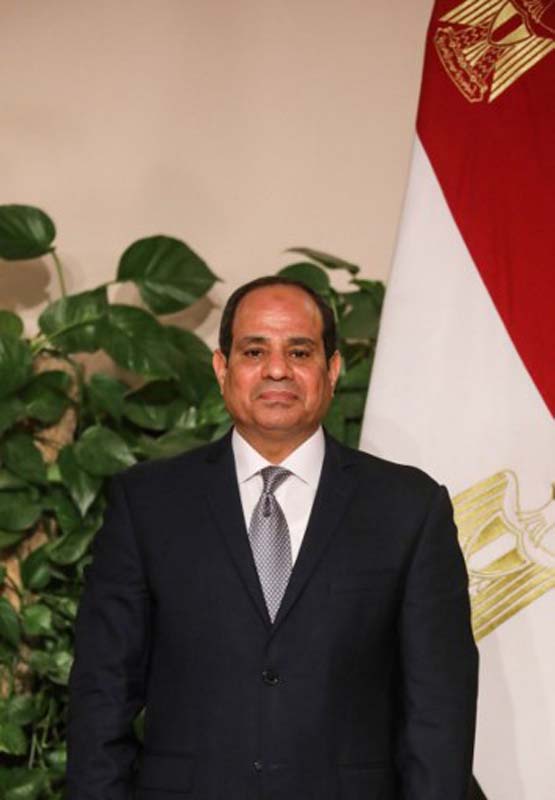
Egyptian leader conquers third term
(MENAFN) In a recent election held from December 10 to 12, Egyptian President Abdel Fatah el-Sisi emerged victorious, securing a third term in office after defeating his three opponents. The North African Nation's Elections Authority (NEA) announced that 39.7 million people, representing 89.6 percent of the ballots cast, voted in favor of President Sisi. This landslide victory ensures his presidency until 2030, marking nearly a decade in power.
The election, conducted at over 11,000 polling stations and supervised by 15,000 judges, saw a significant turnout. Hazem Badawy, head of the NEA, lauded the "unprecedented" participation, with 66.8 percent of the eligible 67.3 million voters casting their ballots. This turnout exceeded the 2018 presidential election's participation rate of 41 percent.
President Sisi's triumph comes against the backdrop of a severe economic crisis in Egypt, characterized by a devalued currency and soaring prices. Additionally, the region is grappling with increased tensions due to the ongoing conflict between Israel and the Palestinian Islamist movement Hamas in neighboring Gaza.
Despite economic challenges, voters cited various reasons for supporting President Sisi, with some mentioning the conflict in Gaza as an influential factor. President Sisi has positioned himself as a stabilizing force in the region, and some voters expressed a belief in his ability to navigate the complexities of the ongoing regional turmoil.
The conflict in Gaza, sparked by Israel's armed campaign in response to a Hamas attack, has left thousands dead. President Sisi's perceived role in addressing regional stability, even amid the crisis, influenced some voters' decisions.
As President Sisi embarks on his third term, Egypt faces the dual challenge of addressing economic woes and navigating regional dynamics. The election outcome reflects the complex interplay of domestic and regional factors shaping the political landscape in Egypt.
The election, conducted at over 11,000 polling stations and supervised by 15,000 judges, saw a significant turnout. Hazem Badawy, head of the NEA, lauded the "unprecedented" participation, with 66.8 percent of the eligible 67.3 million voters casting their ballots. This turnout exceeded the 2018 presidential election's participation rate of 41 percent.
President Sisi's triumph comes against the backdrop of a severe economic crisis in Egypt, characterized by a devalued currency and soaring prices. Additionally, the region is grappling with increased tensions due to the ongoing conflict between Israel and the Palestinian Islamist movement Hamas in neighboring Gaza.
Despite economic challenges, voters cited various reasons for supporting President Sisi, with some mentioning the conflict in Gaza as an influential factor. President Sisi has positioned himself as a stabilizing force in the region, and some voters expressed a belief in his ability to navigate the complexities of the ongoing regional turmoil.
The conflict in Gaza, sparked by Israel's armed campaign in response to a Hamas attack, has left thousands dead. President Sisi's perceived role in addressing regional stability, even amid the crisis, influenced some voters' decisions.
As President Sisi embarks on his third term, Egypt faces the dual challenge of addressing economic woes and navigating regional dynamics. The election outcome reflects the complex interplay of domestic and regional factors shaping the political landscape in Egypt.

Legal Disclaimer:
MENAFN provides the
information “as is” without warranty of any kind. We do not accept
any responsibility or liability for the accuracy, content, images,
videos, licenses, completeness, legality, or reliability of the information
contained in this article. If you have any complaints or copyright
issues related to this article, kindly contact the provider above.
Most popular stories
Market Research

More Story






Comments
No comment