



403
Sorry!!
Error! We're sorry, but the page you were looking for doesn't exist.
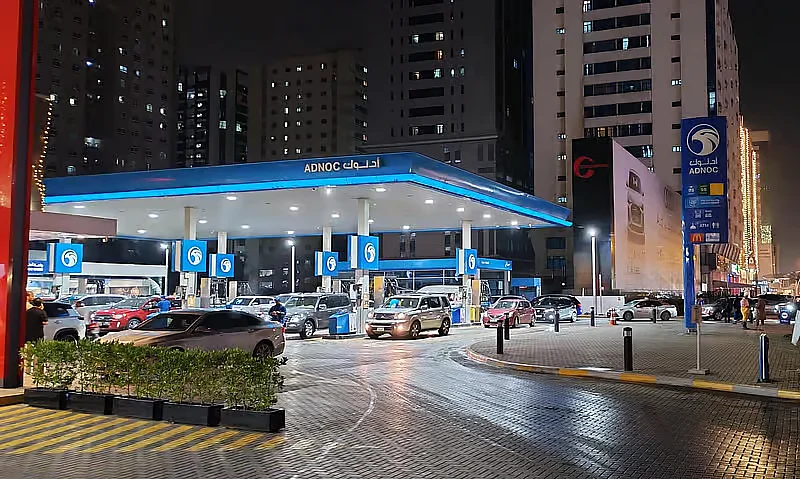
Up To Dh100 Weekly Savings: How UAE Drivers Are Cutting Costs After Fuel Price Hike
(MENAFN- Khaleej Times) Motorists told Khaleej Times that a combination of small changes is helping them cut fuel, Salik toll, and parking costs
- By: SM Ayaz Zakir
Nearly a week after fuel prices in the UAE increased for the fourth consecutive month, many residents said that while their commute plans remained the same, what had changed was how they reached their destination.
From swapping SUVs for smaller cars and walking short distances to planning routes more carefully and using public transport where possible, motorists told Khaleej Times that a combination of small changes is helping them cut fuel, Salik, and parking costs. Some estimated they are saving between Dh50 and Dh100 a week.
Recommended For YouTanveer Ahmed, a 39-year-old engineer and Al Nahda resident who commutes to Dubai five days a week, said fuel savings begin even before he starts the engine. Rising fuel costs have made him far more selective about the routes he takes, opting for shorter and less congested roads whenever possible.
Stay up to date with the latest news. Follow KT on WhatsApp Channels
“Google Maps is useful, but after driving the same roads for years, you learn a few things,” he said.“Sometimes the app suggests a route that might save a couple of minutes but adds extra distance. Missing one exit can easily add 8km or 10km to a journey. Before, I wouldn't pay attention to these.”
Ahmed has also started combining errands into a single outing.“If I need groceries, something from the pharmacy, or a quick visit to a relative, I try to do everything in one trip. Earlier, those might have been three separate drives during the week,” said Ahmed, estimating that the changes save him around Dh50 weekly.
Cutting back on short-distance drivesFor Mohammed Faisal, another Sharjah resident, the biggest change has come from cutting back on short-distance drives. The father of two lives just a kilometre from his local mosque and has increasingly opted to walk rather than drive.
“Earlier, especially after a long day, I would drive (to the mosque). Soon I realised the walk took around 13 to 15 minutes, and I started questioning my need to drive such a short distance. Most of the time, I am home during Fajr, Maghrib and Isha prayers, and the weather is often pleasant enough for a walk.”
Since fuel prices increased, he has made walking to the mosque a regular habit and has also reduced several short evening drives.“I used to jump into the car for small errands, sometimes even just to grab a late-night karak with friends or family,” he said.“Now I walk around the neighbourhood instead. If I want karak, I get it while returning from somewhere rather than making a separate trip.”
What started as an effort to reduce fuel consumption has become part of his fitness routine.“I am getting more steps, spending more time outdoors and using less fuel at the same time.”
He estimates that the combination of walking, fewer short trips and more planned outings is helping him save between Dh60 and Dh70 a week.
Vehicle changeMuzammil Maseeh, a businessman and a resident of Nad Al Sheba said that he has not changed his lifestyle much, but he changed the vehicle he uses.
The businessman owns a Toyota Land Cruiser and a Toyota Corolla. While the Land Cruiser remains his preferred choice for family outings, he now relies more on the Corolla for daily use. "For office trips, grocery runs and everyday errands, I now use the Corolla often.”
According to him, the difference became difficult to ignore,“When you drive both vehicles regularly, you notice the difference immediately. The Corolla can handle most daily tasks perfectly well. I just think twice before taking the bigger vehicle out.”
Between using the smaller car during the week and reducing unnecessary trips, he estimated that he is saving close to Dh100 weekly.
Metro twice a week, car twice a weekFor Mohammed Gul, an Afghan expat and restaurant owner, the shift has been more about mixing driving with public transport rather than giving up his car altogether. He runs two restaurants, one in Al Quoz and another in Deira, and travels between them several times a week.
“I have to travel to both restaurants at least twice a week,” he said.“I drive to Al Quoz as there is no metro connectivity, but for the Deira branch, I have started taking the Metro, which saves time, parking, petrol, and other costs.”
Gul said he now uses public transport for destinations well connected by the Metro, noting that fuel is only part of the overall expense. "When you add parking charges and Salik, the savings become much more noticeable,” he added.
He estimated that his combined savings from fuel, parking, and tolls now range between Dh80 and Dh100 a week.“It's not about avoiding the car. It's about using the right option for each journey.”
ALSO READ- Dubai motorists brace for higher monthly driving bills as VAT on Salik, parking kicks in 'Huge difference': Dubai residents expect Blue Line to cut travel time by 40 mins UAE property trends: How traffic is redefining where residents live

Legal Disclaimer:
MENAFN provides the
information “as is” without warranty of any kind. We do not accept
any responsibility or liability for the accuracy, content, images,
videos, licenses, completeness, legality, or reliability of the information
contained in this article. If you have any complaints or copyright
issues related to this article, kindly contact the provider above.
Most popular stories
Market Research

More Story






Comments
No comment