



403
Sorry!!
Error! We're sorry, but the page you were looking for doesn't exist.
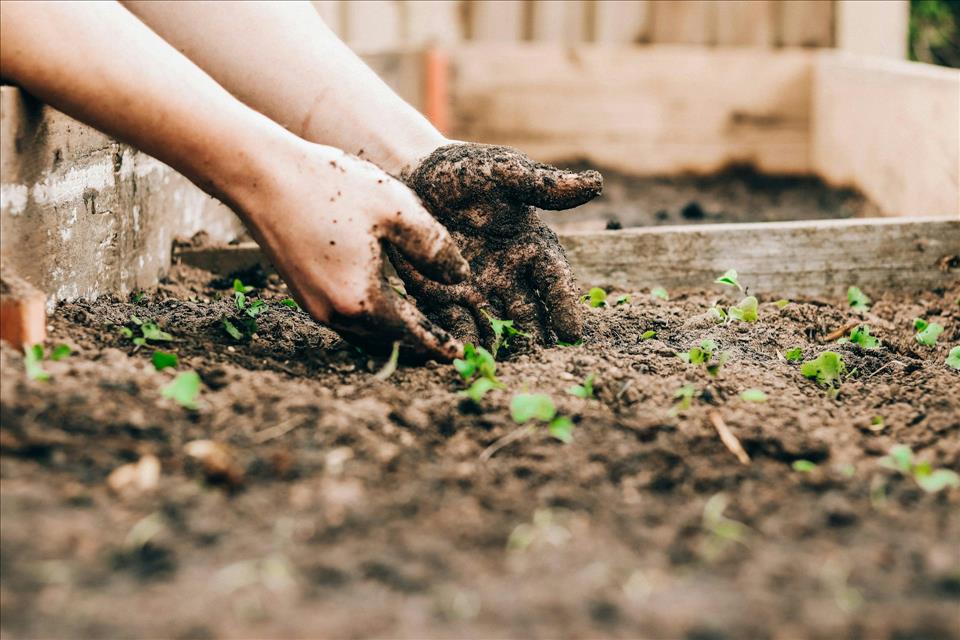
Urban Gardens May Contain Lead - Here's What The Research Says About The Hidden Health Risk
Author: Melody Lynch
(MENAFN- The Conversation) You skip the pesticides, you remove weeds by hand, you choose heirloom seeds. Organic methods give you comfort in knowing that your vegetables are grown without excessive chemicals.

But what many careful gardeners don't know is their gardens can carry a hazard that organic methods alone may not prevent: lead.
Lead has no safe level of exposure and it's present in the soil of some Canadian urban gardens. Where does it come from? Leaded gasoline emissions from historical use, deteriorating lead-based paint that seeps into the soil around older buildings and industrial activities like mining.
Luckily there are many simple and affordable ways to reduce lead exposure and make our gardens safer.
Lead affects us all differentlyLead has no function in the human body and is harmful in any concentration.
Though estimates vary, adults absorb around three to 10 per cent of the lead they ingest, while those who are fasting or malnourished may absorb up to 60 to 80 per cent. The number is higher for children, who may absorb up to 50 per cent - or up to 100 per cent on an empty stomach.
For adults, lead accumulates primarily in our bones and teeth due to repeated or prolonged exposure before slowly being released into the rest of the body. For children, a greater proportion of lead is absorbed in soft tissues, causing serious health problems to begin earlier in life.
Over time, exposure can cause long-term irreversible health effects on the brain and nervous system, the kidneys and the cardiovascular system.
Each year, lead exposure is responsible for 1.5 million deaths and over 33 million years of healthy life lost to disability around the world.
Gasoline, paint and timeLead can occur naturally, but most lead pollution results from human activity, like manufacturing, or from products like batteries.
The use of leaded gasoline has been eliminated around the globe, but historically deposited lead remains in the environment because it does not degrade over time.
Unfortunately, there are no regulations for leaded paint in many global contexts where it is still widely available and used. This contributes to global health inequities.
Furthermore, low-income and racialized communities may experience disproportionate exposure to lead, an example of environmental injustice.
Why the risk is worth takingDespite the risk, gardens can be an important source of healthy foods, especially for economically marginalized communities. There are many other benefits too.
When we take care of a garden, research shows this reciprocally enhances individual and community well-being. Gardens can strengthen our immune function, help regulate endocrine responses, support emotional stability and improve psychosocial behaviours, especially among children. They can also foster empathy toward nature and other people.
For some Indigenous Peoples and other groups with long agricultural histories, gardens can contribute to cultural continuity through practices rooted in intergenerational knowledge and spirituality.
It's important not to throw the baby out with the bathwater when it comes to managing risk and reward. Food safety concerns have been used to negatively stereotype marginalized populations who have limited alternatives, or to pre-empt public debate on land-use decisions that ultimately displace community gardens.
How to make your garden saferLead can get into your plants from the air or soil. Each plant will uptake lead differently depending on factors including plant type and soil characteristics. Leafy greens and root vegetables are generally more likely to absorb lead than other vegetables, for example.
Luckily, there are many simple ways to prevent lead from ending up in your homegrown foods.
Position your garden away from busy roads, parking areas, railways, waterways and industrial areas. If you think lead may be present in your soil, you can send a sample to get tested. Be cautious with chemical fertilizers and pesticides. Attempt non-chemical solutions when possible; otherwise follow recommended dosages carefully. Use raised beds or pots with fresh soil if you are concerned about your soil being polluted. Use compost. While it will not remove heavy metals, high-quality compost can prevent lead from moving into your produce from the soil. Maintain soil pH with use of a pH meter available at the hardware store. Ensure your soil is not too acidic to prevent lead from moving from your soils into your plants. Look to soil texture. Avoid soils that are too sandy, as they encourage the movement of lead into your garden plants. Look to soil colour. Red and yellow soils often indicate the presence of iron oxides, which help prevent lead from moving into plants. Dark black soils often indicate high organic matter content, which helps with this protection too. Use mulch, such as wood chips or decaying leaves, to prevent lead from entering your soils from the air. Avoid burning waste in or near the garden, which may cause lead to enter your food. The open burning of waste is an urgent global health problem in places where waste collection infrastructure is insufficient, including some Indigenous communities in Canada. Prevent young children from putting soil in their mouths while in the garden, as they are at higher risk of developing health problems if they consume lead. Wash fruits and vegetables with clean water before eating to remove residues.Read more: We developed a biodegradable wash that can remove pesticides and keep fruit fresh longer
Perhaps the biggest action that we can take to make our gardens safer is to hold our governments accountable for clean communities. If you are worried about pollution, contact your local representative or join a cause to demand tighter regulations and improved planning policies.
For many families, a garden is not just a hobby. It's where lunch or dinner comes from. And while progress has been made, lead exposure remains a hidden health risk for Canadians. It's preventable if we take the right measures.
Institution:Concordia University

Legal Disclaimer:
MENAFN provides the
information “as is” without warranty of any kind. We do not accept
any responsibility or liability for the accuracy, content, images,
videos, licenses, completeness, legality, or reliability of the information
contained in this article. If you have any complaints or copyright
issues related to this article, kindly contact the provider above.
Most popular stories
Market Research

More Story




Comments
No comment