



403
Sorry!!
Error! We're sorry, but the page you were looking for doesn't exist.
Self-Censorship, More Stress, Tougher Recruiting We Asked US Researchers How The Trump Administration's Science Policies Have Affected Them
Author: Eric Welch
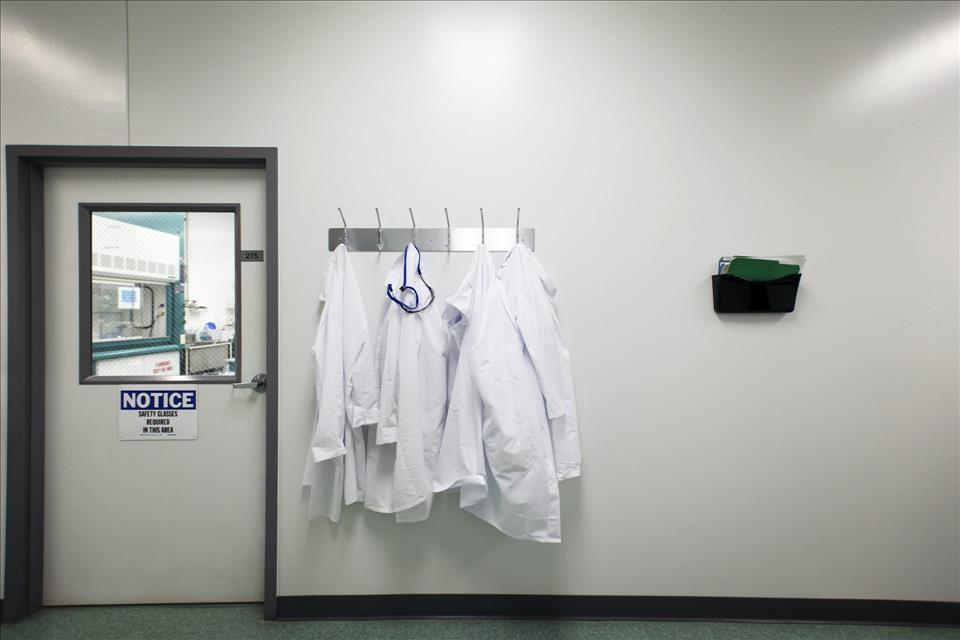
(MENAFN- The Conversation) The American academic research engine has long been the envy of the world. Generally well-funded, labs in the United States have been able to attract the best minds who generate breakthroughs and train the next generation workforce that powers the U.S. economy. But since the start of the second Trump administration in January 2025, new federal policies have destabilized the American scientific enterprise.

The disruption generated by the Trump administration's funding, DEI and visa policies has been well reported by the media. On an individual level, though, what do academic researchers think of all these changes and how have they been directly affected?
We are researchers affiliated with Arizona State University's scientist opinion panel survey, known as SciOPS, a 5-year research program designed to monitor, understand and improve how scientists communicate with the public. We wanted to know more about the reality inside today's universities as researchers grapple with Trump administration policies.
Along with our colleagues, we fielded a survey of randomly sampled members of the academic science community participating in the SciOPS panel. We obtained responses from 280 scientists from several fields, including biology, chemistry, civil and environmental engineering, computer and information science engineering, geography and public health from 131 universities.
Our results show dramatic, mostly negative, effects of federal policy changes on researchers, the research system and American competitiveness.
How research in US universities has changedAny research enterprise thrives because of its ability to fund cutting-edge science and thus attract highly motivated, well-trained people. Since the second Trump administration took office in January 2025, just over half of the scientists in our survey report that their overall funding has declined.
Declines in federal funding have had knock-on effects. Around one-quarter of scientists reported that state and local and university internal funding have also declined. Another 9% reported that internal funding has increased, presumably as universities have provided emergency funds to researchers to support critical studies.
According to the scientists who responded to our survey, Trump administration policies have also affected the scientific workforce pipeline, hampering their ability to recruit internationally and domestically.
We hypothesize that these hiring issues can be related to visa and immigration policies, which make it difficult for international graduate students and postdocs to work in the U.S. or attend international conferences. Just over half of scientists in our survey reported that international students or postdocs have expressed concerns to them about deportation.
Concerns about longer-term career impacts are also to blame for trouble recruiting the next generation of researchers. Over 80% of surveyed scientists reported that graduate students or postdocs on their research team have increased concerns about future job prospects.
These impacts have taken a toll on scientists' professional work environment and overall outlook. Over two-thirds reported more work-related stress and almost half reported increased workloads since January 2025. About half reported decreased work motivation.
How are scientists and engineers reacting?We found scientists' responses to be a mixture of resilience, acquiescence and considering an exit.
While many scientists said they were less motivated at work, most reported no change in their efforts to obtain federal research funding. Small proportions did report successfully increasing their efforts to obtain funding from non-federal sources.
Our survey also asked scientists whether they had taken any self-censoring actions since January 2025 due to concern over potential negative consequences for their work or career. Over half reported having reviewed or adjusted key words in research proposals, and almost half said they'd reframed research topics. Forty-three percent had also cautioned students or collaborators to be careful what they say publicly and more than a third had abandoned plans on one or more research topics.
Although scientists are adopting strategies to cope with the new challenges, nearly two-thirds of the scientists in our sample appear to be considering one or more other career options.
Scientists look to the long termScientists and engineers in our sample have strong opinions about the impacts of current U.S. science policy. A large majority (87%) believe the administration's actions have influenced research priorities more than previous administrations. Most scientists in our survey had a negative opinion of the Trump administration's overall changes to science policy.
Scientists in our sample believed that administration policies have had a negative effect on the future scientific workforce and the ability of scientists and engineers in the U.S. to produce breakthroughs and discoveries and contribute to national welfare.
Large majorities believe these policies have harmed public perceptions of the integrity of U.S. scientists (85%) and hurt public trust in science (84%).
Academic scientists' reactions to the Trump administration's changes to science policy are perhaps not surprising given the perceived level of threat these actions represent to the research community. What is less certain is whether the dramatic changes we are currently witnessing – cuts to grant funding, politicization of research, downsizing of federal agencies, restrictive immigration policies, attacks on the autonomy of higher education and more – are temporary or if they represent the initial phase of a transition to a new research environment with less federal support for American science.
Institution:Arizona State University

Legal Disclaimer:
MENAFN provides the
information “as is” without warranty of any kind. We do not accept
any responsibility or liability for the accuracy, content, images,
videos, licenses, completeness, legality, or reliability of the information
contained in this article. If you have any complaints or copyright
issues related to this article, kindly contact the provider above.
Most popular stories
Market Research

More Story




Comments
No comment