




403
Sorry!!
Error! We're sorry, but the page you were looking for doesn't exist.
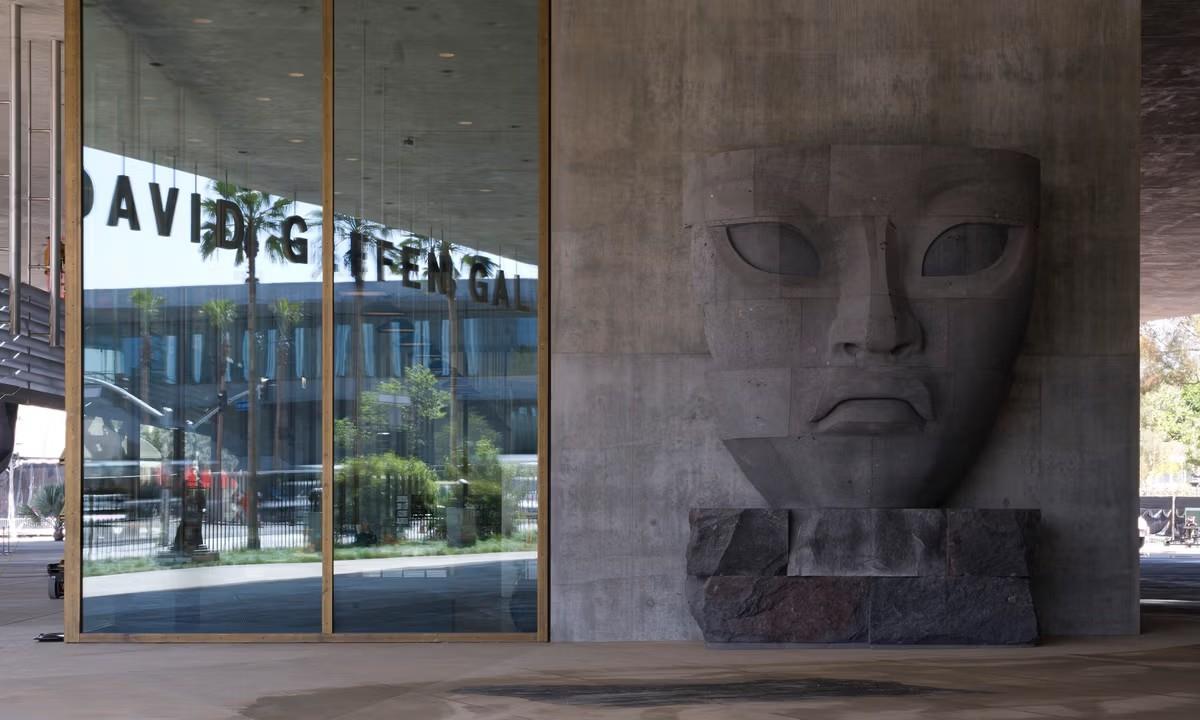
Pedro Reyes's New Lacma Commission Sparks Criticism In Mexico The Art Newspaper International Art News And Events
(MENAFN- USA Art News)
Pedro Reyes's LACMA Sculpture Draws Fire in Mexico Over Monument Politics
A new sculpture outside the Los Angeles County Museum of Art has become the center of a transnational dispute over memory, Indigenous representation, and the afterlife of public monuments. Mexican artist Pedro Reyes (b. 1972) recently unveiled Tlali (2026), a four-meter-tall volcanic-stone face inspired by Olmec forms, at the museum's new David Geffen Galleries. The work is now part of LACMA's permanent collection.
In Mexico, the response has been sharply critical. An open letter dated April 23 and signed by nearly 80 cultural figures argues that the sculpture is effectively a new version of a project rejected in 2021 in Mexico City. That earlier commission, also by Reyes, was intended to replace the 1877 statue of Christopher Columbus on Paseo de la Reforma. The proposal was abandoned after more than 300 cultural figures and collectives opposed it.
The controversy around the earlier project was not only about form, but about who gets to speak for Indigenous identity in public space. Critics objected to the idea of a male artist who does not identify as Indigenous representing“the Indigenous woman,” and argued that the monument would flatten the diversity of Indigenous women into a single symbolic figure. The former Columbus site was ultimately transformed in 2022 into the Glorieta de las Mujeres que Luchan, an anti-monument dedicated to resistance against gender violence.
The new letter says the LACMA commission repeats many of the same problems. It criticizes what signatories describe as a vague, neo-indigenist gesture and objects to the removal of an“l” from the title, which they say was meant to appeal to anglophones. María Minera, an art critic and signatory of both the 2021 petition and the recent letter, said the sculpture's relocation to Los Angeles does not erase its history.“The context and possible interpretations may differ, but this commission is the same one denounced in Mexico for Indigenous stereotypes and perpetuating colonialism,” she said.
Karen Cordero Reiman, an art historian and curator who also signed the letter, said the museum should have considered the work's social and political history more carefully. LACMA, for its part, has said the sculpture has a different purpose and meaning in Los Angeles. Museum director Michael Govan has described it as echoing ancient American fragments in the collection and Olmec mask motifs.
The dispute underscores a larger question facing museums: when a work arrives with a contested history, can a new setting truly change its meaning, or does the original controversy travel with it?

Legal Disclaimer:
MENAFN provides the
information “as is” without warranty of any kind. We do not accept
any responsibility or liability for the accuracy, content, images,
videos, licenses, completeness, legality, or reliability of the information
contained in this article. If you have any complaints or copyright
issues related to this article, kindly contact the provider above.
Most popular stories
Market Research

More Story






Comments
No comment