


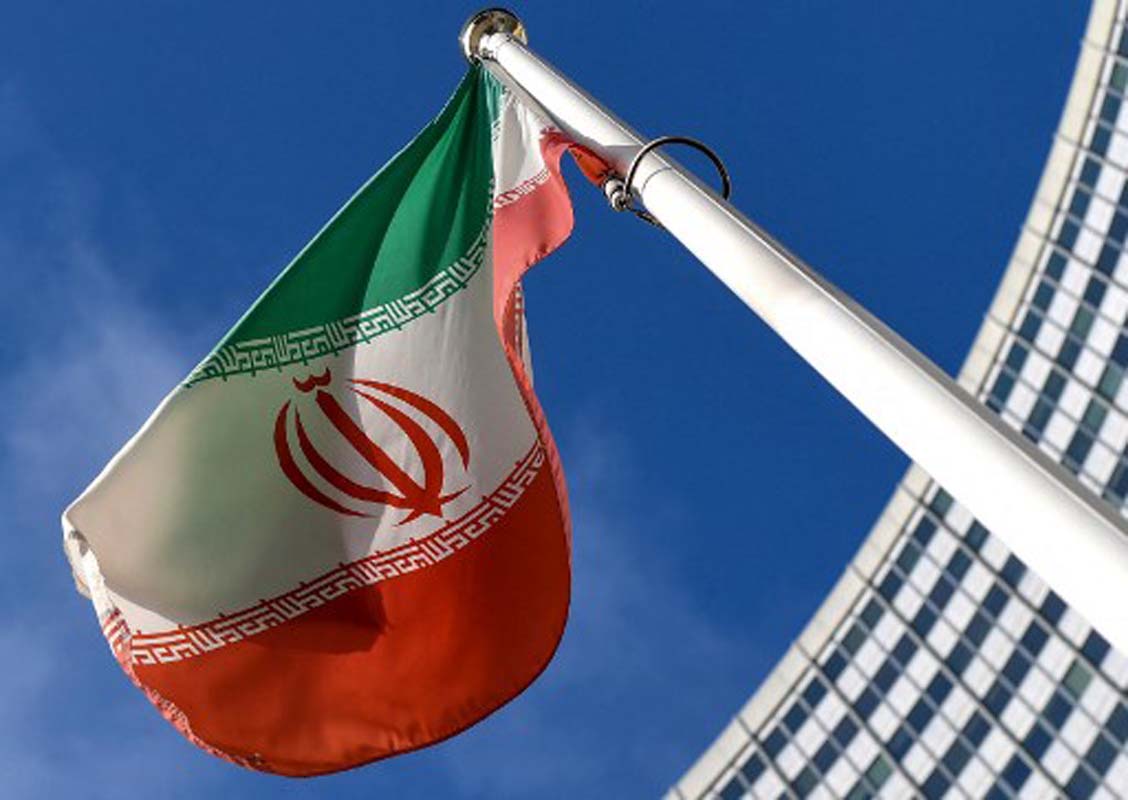
Iran Proposes New Strait of Hormuz Framework in Peace Plan


(MENAFN) Iran has submitted a new peace proposal to the United States through Pakistani mediation, introducing a potential framework for managing the Strait of Hormuz as part of wider efforts to end the ongoing conflict, according to reports.
An Iranian deputy foreign minister confirmed that the proposal was delivered in response to a U.S. initiative, stating that responsibility for the next step now lies with Washington.
A correspondent reporting from Tehran said the 14-point plan reflects Iran’s push for a comprehensive settlement rather than a temporary truce. The proposal reportedly includes demands such as guarantees against future military action by the United States and Israel, the lifting of economic sanctions, and the withdrawal of U.S. forces from regions near Iran. It also outlines the creation of a new mechanism to regulate activity in the Strait of Hormuz, a critical global energy shipping route.
The plan is also said to call for resolving all outstanding issues and concluding the conflict within a defined timeframe, signaling what Iranian officials present as a preference for a permanent resolution rather than a short-term ceasefire.
The same reporting suggests that diplomatic flexibility between Tehran and Washington is narrowing as positions remain far apart.
On the U.S. side, President Donald Trump indicated he would review the proposal but expressed skepticism about its acceptability. In remarks posted on social media, he suggested he did not believe the offer met U.S. expectations and criticized Iran’s recent conduct over a long historical period, signaling continued resistance to the current terms.
The situation remains uncertain as both sides evaluate the proposal amid ongoing tensions and competing demands over security, sanctions, and regional maritime control.
An Iranian deputy foreign minister confirmed that the proposal was delivered in response to a U.S. initiative, stating that responsibility for the next step now lies with Washington.
A correspondent reporting from Tehran said the 14-point plan reflects Iran’s push for a comprehensive settlement rather than a temporary truce. The proposal reportedly includes demands such as guarantees against future military action by the United States and Israel, the lifting of economic sanctions, and the withdrawal of U.S. forces from regions near Iran. It also outlines the creation of a new mechanism to regulate activity in the Strait of Hormuz, a critical global energy shipping route.
The plan is also said to call for resolving all outstanding issues and concluding the conflict within a defined timeframe, signaling what Iranian officials present as a preference for a permanent resolution rather than a short-term ceasefire.
The same reporting suggests that diplomatic flexibility between Tehran and Washington is narrowing as positions remain far apart.
On the U.S. side, President Donald Trump indicated he would review the proposal but expressed skepticism about its acceptability. In remarks posted on social media, he suggested he did not believe the offer met U.S. expectations and criticized Iran’s recent conduct over a long historical period, signaling continued resistance to the current terms.
The situation remains uncertain as both sides evaluate the proposal amid ongoing tensions and competing demands over security, sanctions, and regional maritime control.

Legal Disclaimer:
MENAFN provides the
information “as is” without warranty of any kind. We do not accept
any responsibility or liability for the accuracy, content, images,
videos, licenses, completeness, legality, or reliability of the information
contained in this article. If you have any complaints or copyright
issues related to this article, kindly contact the provider above.


Comments
No comment