




403
Sorry!!
Error! We're sorry, but the page you were looking for doesn't exist.
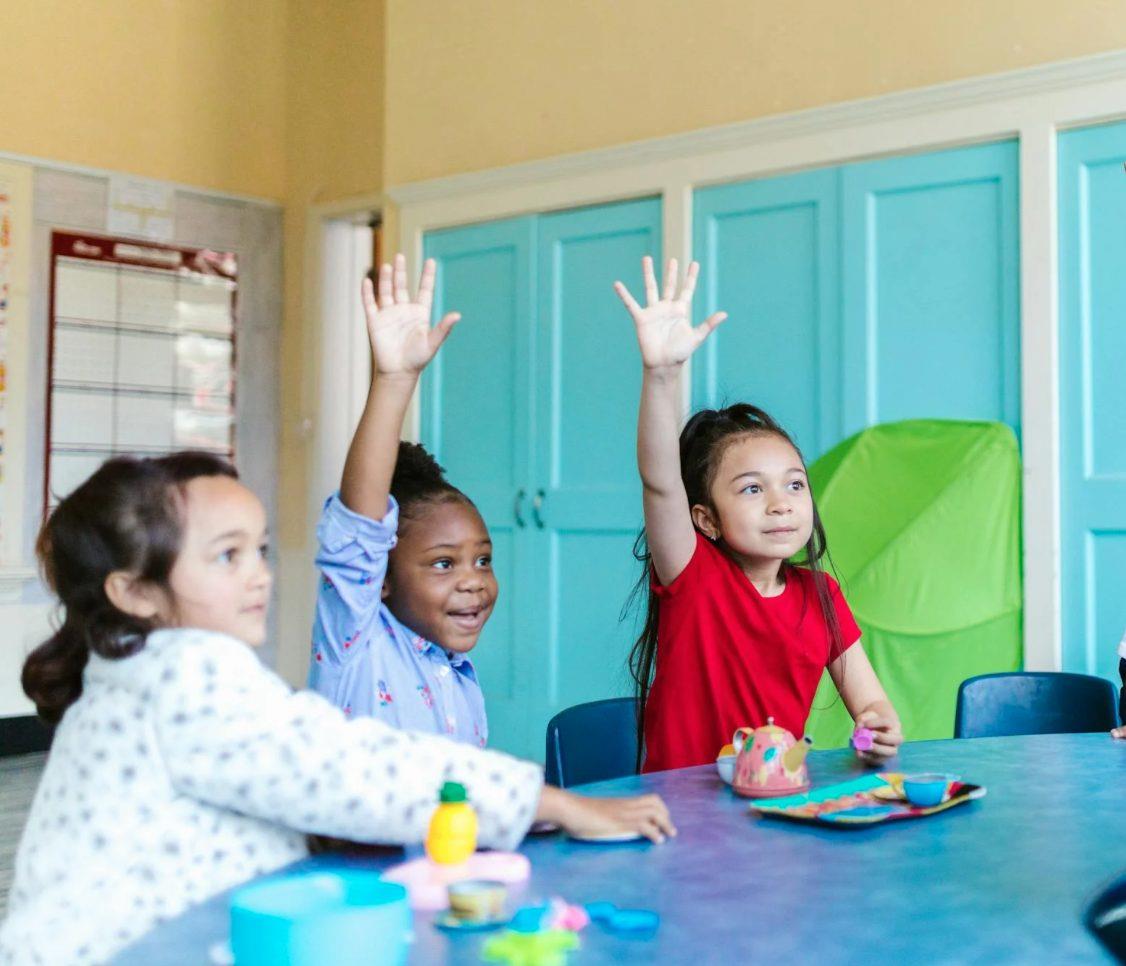
8 Classroom Accommodations That Help Children With Learning Disabilities Succeed
(MENAFN- Kids Aint Cheap) Image Source: Pexels
Children with learning disabilities often face challenges that go beyond simply“keeping up” in school, and without the right support, those challenges can affect confidence, motivation, and long-term success. As classrooms become more inclusive, educators and parents are working together to find practical ways to help every child thrive. Classroom accommodations are not about giving students an unfair advantage-they are about leveling the playing field. From my experience working with families and educators, even small adjustments can lead to meaningful progress. Understanding which strategies truly work can make a lasting difference in a child's academic journey.
1. Extended Time on Assignments and TestsOne of the most effective classroom accommodations for students with learning disabilities is providing extended time on assignments and tests. Many children process information more slowly, especially those with dyslexia or processing disorders, and rushing can lead to unnecessary mistakes. For example, a student who understands the material may still score poorly simply because they cannot finish in time. Teachers who allow additional time often see improved accuracy and reduced anxiety. This simple change supports both performance and emotional well-being without altering academic expectations.
2. Preferential Seating for Better FocusSeating a student closer to the teacher or away from distractions can significantly improve attention and comprehension. Children with ADHD or auditory processing challenges often struggle in noisy or visually busy environments. By placing them near instruction areas, teachers can provide subtle guidance and redirection when needed. Students can become more engaged simply by moving them away from high-traffic areas like doors or windows. This adjustment is low-cost but highly impactful in supporting consistent focus.
3. Use of Assistive TechnologyAssistive technology has transformed how students with learning disabilities access information and express their ideas. Tools like text-to-speech software, speech-to-text programs, and audiobooks can help bridge gaps in reading and writing skills. For instance, a student who struggles with handwriting may produce stronger essays using voice dictation. These tools allow students to demonstrate their knowledge without being limited by their disability. When used correctly, technology can empower independence and build academic confidence.
4. Breaking Tasks Into Smaller StepsLarge assignments can feel overwhelming, especially for students who struggle with executive functioning. Breaking tasks into smaller, manageable steps helps students stay organized and reduces the likelihood of procrastination. Teachers can provide checklists or timelines that guide students through each stage of a project. In real classroom settings, this approach often leads to higher completion rates and better-quality work. It also teaches valuable planning skills that benefit students beyond school.
5. Visual Aids and Graphic OrganizersVisual supports like charts, diagrams, and graphic organizers can make complex information easier to understand. Many children with learning disabilities are visual learners and benefit from seeing relationships between ideas. For example, a mind map can help a student organize thoughts before writing an essay. Teachers who incorporate visual tools often notice improved comprehension and retention. This strategy also encourages students to develop their own systems for organizing information.
6. Flexible Instruction MethodsNot all students learn the same way, and flexible teaching methods can make lessons more accessible. Incorporating a mix of visual, auditory, and hands-on activities allows students to engage with material in ways that suit their strengths. For instance, a science concept might be taught through a video, a discussion, and a hands-on experiment. This approach ensures that students with different learning needs can fully participate. It also keeps lessons dynamic and engaging for the entire class.
7. Frequent Check-Ins and FeedbackRegular check-ins help teachers identify when a student is struggling before problems escalate. Short, informal conversations can clarify instructions and provide reassurance. Students with learning disabilities often benefit from immediate feedback rather than waiting for graded assignments. In my experience, this builds trust and encourages students to ask for help when needed. Consistent communication also allows teachers to adjust strategies in real time.
8. Modified Instructions Without Lowering StandardsClear, simplified instructions can make a significant difference in how well students understand assignments. This does not mean lowering academic expectations but rather presenting information in a more accessible way. For example, breaking down directions into bullet points or providing examples can reduce confusion. Many students perform better when they clearly understand what is expected of them. This accommodation ensures that assessments measure knowledge, not the ability to interpret complex instructions.
Why These Classroom Accommodations Matter More Than EverClassroom accommodations are essential for helping children with learning disabilities succeed in today's educational environment. With increasing academic demands, students who lack support are at greater risk of falling behind. Research shows that early intervention and consistent accommodations can improve both academic outcomes and self-esteem. Parents and teachers who collaborate to implement these strategies create a more supportive learning environment. Ultimately, these adjustments help students build skills that extend far beyond the classroom.
The Real Takeaway: Small Changes Create Lasting ImpactThe most important takeaway is that effective classroom accommodations do not require drastic changes-just thoughtful ones. When educators understand a child's unique needs, they can make targeted adjustments that lead to meaningful progress. These strategies not only support academic success but also help students develop confidence and independence. If you are a parent or educator, consider which of these approaches could make a difference in your own setting.
What has worked for you or your child, and what challenges are you still facing? Share your thoughts in the comments and join the conversation.

Legal Disclaimer:
MENAFN provides the
information “as is” without warranty of any kind. We do not accept
any responsibility or liability for the accuracy, content, images,
videos, licenses, completeness, legality, or reliability of the information
contained in this article. If you have any complaints or copyright
issues related to this article, kindly contact the provider above.
Most popular stories
Market Research

More Story







Comments
No comment