




403
Sorry!!
Error! We're sorry, but the page you were looking for doesn't exist.
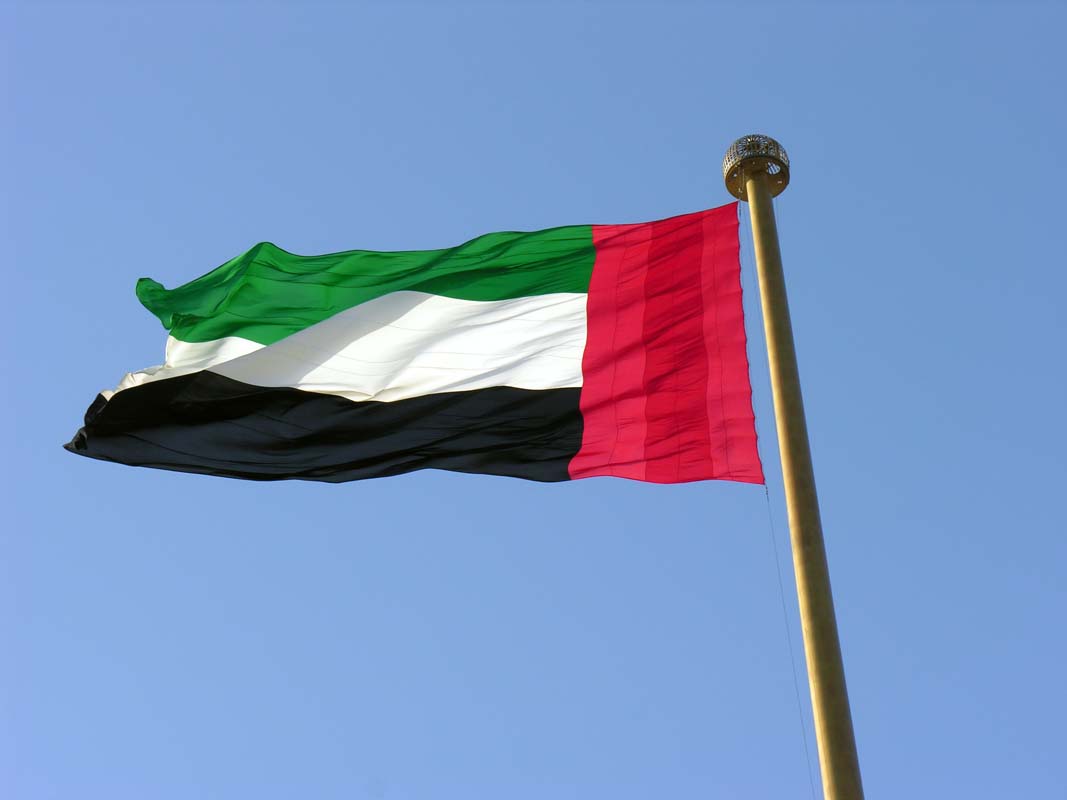
UAE Urges UN to Take Urgent Steps to Restore Navigation in Strait of Hormuz
(MENAFN) The United Arab Emirates has called on the United Nations to approve urgent measures—including the potential use of force—to reopen the Strait of Hormuz, according to reports.
As stated by reports, the UAE’s ambassador, Mohamed Abushahab, sent a letter on Tuesday to UN Secretary-General Antonio Guterres and the president of the Security Council, stressing that the Council must take “immediate action” to guarantee safe maritime movement in and around the vital waterway.
The UAE is reportedly seeking to activate Chapter 7 of the UN Charter, a legal mechanism that allows the Security Council to respond to threats against international peace using a range of options, from economic sanctions to the authorization of military intervention.
According to reports, the Strait of Hormuz has faced major disruption since early March, after Iran acted to restrict passage through the route in response to the US-Israeli offensive that began on Feb. 28.
The strait is a critical global energy corridor, with approximately 20 million barrels of oil—about one-fifth of worldwide supply—passing through it each day under normal conditions. Its closure has led to rising oil prices, interruptions in shipping activity, and growing concerns about sustained economic consequences.
Since late February, US and Israeli strikes on Iran have resulted in the deaths of more than 1,340 people, including then-Supreme Leader Ali Khamenei, according to reports.
As stated by reports, the UAE’s ambassador, Mohamed Abushahab, sent a letter on Tuesday to UN Secretary-General Antonio Guterres and the president of the Security Council, stressing that the Council must take “immediate action” to guarantee safe maritime movement in and around the vital waterway.
The UAE is reportedly seeking to activate Chapter 7 of the UN Charter, a legal mechanism that allows the Security Council to respond to threats against international peace using a range of options, from economic sanctions to the authorization of military intervention.
According to reports, the Strait of Hormuz has faced major disruption since early March, after Iran acted to restrict passage through the route in response to the US-Israeli offensive that began on Feb. 28.
The strait is a critical global energy corridor, with approximately 20 million barrels of oil—about one-fifth of worldwide supply—passing through it each day under normal conditions. Its closure has led to rising oil prices, interruptions in shipping activity, and growing concerns about sustained economic consequences.
Since late February, US and Israeli strikes on Iran have resulted in the deaths of more than 1,340 people, including then-Supreme Leader Ali Khamenei, according to reports.

Legal Disclaimer:
MENAFN provides the
information “as is” without warranty of any kind. We do not accept
any responsibility or liability for the accuracy, content, images,
videos, licenses, completeness, legality, or reliability of the information
contained in this article. If you have any complaints or copyright
issues related to this article, kindly contact the provider above.
Most popular stories
Market Research

More Story






Comments
No comment