




403
Sorry!!
Error! We're sorry, but the page you were looking for doesn't exist.
Kenya's Double Climate Crisis: It Needs Funds To Adapt, And Disaster Aid Is Damaging The Environment
Author: Catherine Wanjiku Nyambura
(MENAFN- The Conversation) Over the last two decades, economic losses from extreme weather (such as the damage caused by floods, mudslides and drought) has amounted to trillions of dollars.

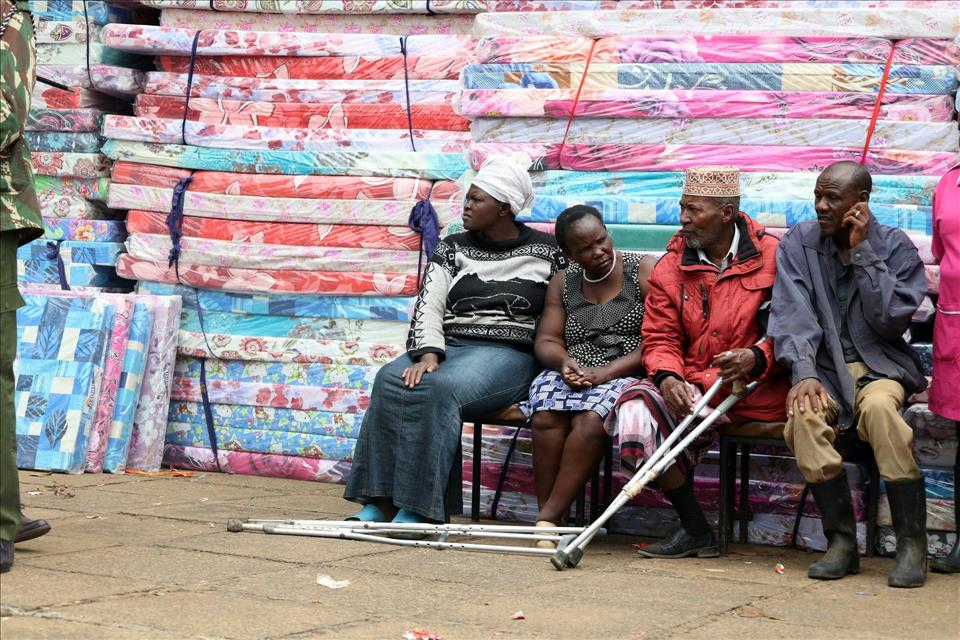
In parts of Kenya and particularly in Nairobi County, disasters have ranged from severe drought to killer floods that submerged residential areas and displaced hundreds of families.
The most recent crisis highlights a pattern of climate-driven extreme weather in Kenya, where intense rainfall events are becoming more frequent following prolonged droughts. While Nairobi drowns, communities in north-eastern Kenya are facing prolonged drought that has decimated livelihoods, dried up water sources, and pushed families to the edge.
Flood and drought are two faces of the same broken climate system, and Kenya is bearing both at once.
In the case of Kenya, where I have conducted research on climate related disasters and the response of humanitarian organisations, the government is well aware of the need for climate adaptation. It has enacted new laws, adopted a climate change action plan, passed regulations for carbon markets and come up with a strategy to reduce greenhouse gas emissions by 2050.
How the Kenyan government will finance climate adaptation remains a huge headache, however. It is clear that there is a need for collaboration and partnerships among the government, counties, the not-for-profit sector and the private sector to reverse the climate change trend. But can all these groups play a role that doesn't make the problems caused by climate change worse?
Read more: How climate change could affect African migration patterns
In a recent paper, I set out my findings based on a review of existing articles on humanitarian aid, green technology innovation, climate financing and climate change.
My findings indicate that, to reduce the negative impacts of climate change in Kenya, there is a need for:
- the government and non-governmental organisations to finance and implement climate change friendly policies
humanitarian aid organisations to become more environmentally friendly and include green technology innovations when they respond to a climate disaster
aid organisations to work with the private sector to manage their own wastereforestation to increase tree cover and prevent climate disasters
education for communities on what they can do to adapt to the warming climate, and financial support for their priority adaptation projects.In Kenya, 80% of the country is arid and semi arid. This puts pressure on clean water and food security, yet agriculture drives the economy. Climate adaptation is essential for survival and reducing climate related disasters.
Making humanitarian interventions more climate-friendlyAbout 3.3 million people in Kenya are currently in urgent need of humanitarian assistance because of climate-change related drought.
But sometimes humanitarian responses can inflict more damage on the climate.
For example, they may cut down trees to clear land to set up camps for displaced people. Another example is drilling boreholes for water so close to each other that they deplete underground water reserves.
Read more: Climate change isn't a priority for Kenyan universities. It should be
People fleeing extreme weather disasters need to cut down trees for firewood and charcoal. This has led to deforestation in many settlement areas in Kenya. Too few latrines, or toilets built close to clean water sources, lead to poor sanitation. This can cause widespread disease.
This worsens the risks associated with climate change in developing countries, including Kenya.
The development finance gapIf Kenya adapted to climate change, this would reduce or minimise the impact of extreme weather disasters. The country needs about US$62 billion between 2020 and 2030 to adapt to climate change, and to reduce greenhouse gas emissions.
Of the US$62 billion needed, Kenya has committed to providing US$3.36 billion. The rest of the money needs to come from international finance, investment, technology development and transfer, and capacity building. About US$15.8 billion will be secured through investments in projects designed to deliver mitigation and adaptation benefits.
The Kenyan government's plan is to use this finance to:
- help women, young people and other vulnerable groups use climate adaptation technology, combining scientific and local knowledge
improve how Kenya tracks and learns from climate adaptation efforts at national and county levels, including input from community groups
Read more: Climate change is hurting Kenyan women working in coastal tourism – they explain how
- make climate information easy to understand and widely available so it can guide planning and decisions, with strong early warning systems
support new ways for communities to earn a living while becoming more resilient to climate change, by funding locally led projects.
A key challenge is ensuring that climate adaptation funds actually reach vulnerable communities. Because the country has a devolved system of government, channelling climate finance to county level is crucial. Different regions in Kenya have set up County Climate Change Funds, but links between these local funds and the national financing system remain weak.
Read more: Kenya's devastating floods expose decades of poor urban planning and bad land management
A debate on whether funds should be spent on short term relief to humanitarian responders or long term climate adaptation is also needed. Adapting is more sustainable. It could help avert or even end climate change related emergencies.
For example, the current drought will cost spend KES 4 billion (US$31 million) per month until the situation improves.
What needs to happen nextFull adaptation to climate change is going to take some time, especially as finance needs to be secured. Meanwhile, humanitarian aid agencies in Kenya need to urgently adopt climate friendly measures.
These include the use of green procurement, less packaging or recyclable and biodegradable packaging. Relief organisations should avoid using nature reserves to construct homes for refugees or expanding camps. Humanitarian projects should also provide food that requires less time to cook and use energy saving or solar stoves.
Read more: Climate and mortality rates in Kenya, Mali, and Malawi: what we found
The government should advise relief organisations to adhere to environmental and climate change regulations. This is so that humanitarian aid responders do not make the existing environmental crisis worse.
Climate financing is critical to developing countries like Kenya. It needs to be channelled to the country as grants to be used for adaptation. Loans will only make Kenya's debt burden worse.
If these things can be achieved, this could help areas such as Turkana and West Pokot respond more effectively to extreme weather and climate-related emergencies.
Institution:Uganda Technology and Management University

Legal Disclaimer:
MENAFN provides the
information “as is” without warranty of any kind. We do not accept
any responsibility or liability for the accuracy, content, images,
videos, licenses, completeness, legality, or reliability of the information
contained in this article. If you have any complaints or copyright
issues related to this article, kindly contact the provider above.
Most popular stories
Market Research

More Story






Comments
No comment