




403
Sorry!!
Error! We're sorry, but the page you were looking for doesn't exist.
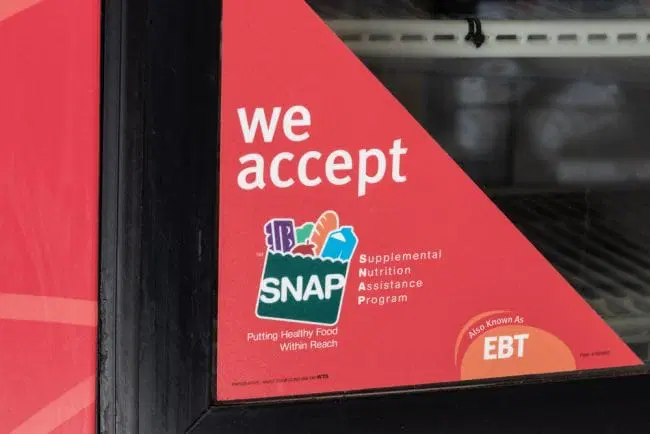
Georgia's SNAP Integrity Act Advances, Adding New Rules For Retailers
(MENAFN- Budget and the Bees) You are standing at the grocery store checkout with a cart full of essentials for your family. As the cashier scans your items, you notice a new level of scrutiny regarding your EBT card. The state of Georgia is currently moving forward with the SNAP Integrity Act of 2026. This bill promises to reshape how nutrition assistance works in our local communities. While the state claims this focuses on fraud prevention, the new rules create complex hurdles for families and local businesses. It is not your fault that the cost of living is skyrocketing. Yet, the government is now narrowing the path for those seeking help. This guide reveals what these new rules mean for your grocery budget and local retailers.The New Restrictions on Grocery Choices
The most controversial part of this act involves a push to restrict specific food choices. The bill aims to limit or prohibit the purchase of items like soda and packaged desserts using SNAP benefits. This follows a broader national trend where states seek waivers from the USDA to manage their own food lists. Consequently, nearly one and a half million Georgians could find their grocery options significantly reduced. According to the USDA Food and Nutrition Service, several states already explore these waivers to reduce diet-related diseases. However, critics argue this unfairly targets low-income families by removing their ability to choose. Furthermore, the administrative burden of tracking these specific items will fall squarely on the shoulders of the stores.
New Compliance Burdens for Local RetailersSmall business owners and local grocers face a major software headache under the SNAP Integrity Act. The bill requires retailers to update their point-of-sale systems to automatically block newly restricted items. This is not a simple task for a small corner store or an independent market. If a store fails to categorize an item correctly, they could face severe sanctions. They might even lose their ability to accept EBT altogether. Many businesses must spend thousands of dollars on software upgrades just to remain compliant with state standards. According to the Georgia General Assembly, the act also includes new verification requirements for expedited service applications. The system is getting more complicated for everyone involved in the food chain.
The Push for Faster Eligibility VerificationThe act introduces a strict thirty-day window for state workers to verify all eligibility criteria. This prevents a second month of benefits from issuing before a full review. While this catches errors early, it also creates a massive backlog for an already overwhelmed staff. Families who rely on timely assistance might find their benefits paused while they wait for data-matches to clear. The legislation creates a pre-authorization accuracy checklist that every applicant must follow. While integrity is important, friction in the system can lead to increased food insecurity for vulnerable households. The Georgia Department of Human Services manages these updates and provides resources for those facing delays. You should stay informed to ensure your family is not caught off guard.
Navigating the Changing Landscape of Public AssistanceUnderstanding the rules of the SNAP Integrity Act is the only way to protect your food access. You should keep a close eye on the list of eligible items as implementation begins. Retailers should also reach out to their software providers to ensure their systems are ready for new blocking requirements. The system is shifting toward a more controlled and audited model of assistance. You must adapt to stay ahead of these legislative changes. You deserve to feed your family without the fear of a transaction being declined due to a new law. It is time to pay attention to the sessions that impact your kitchen table. Do you think the state should restrict what foods people purchase with SNAP benefits? Leave a comment below and share your thoughts.

Legal Disclaimer:
MENAFN provides the
information “as is” without warranty of any kind. We do not accept
any responsibility or liability for the accuracy, content, images,
videos, licenses, completeness, legality, or reliability of the information
contained in this article. If you have any complaints or copyright
issues related to this article, kindly contact the provider above.
Most popular stories
Market Research

More Story







Comments
No comment