





403
Sorry!!
Error! We're sorry, but the page you were looking for doesn't exist.

QR Codes Won't Cure The Poor In Kashmir
(MENAFN- Kashmir Observer)
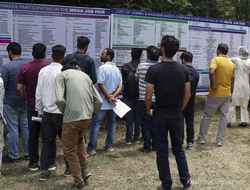
Representational Photo
Representational Photo
By Kamran Hamid Bhat
Everywhere you look in Kashmir's hospitals, the walls are covered with QR codes.“Scan to book an appointment.”“Scan to get your reports.”“Scan to make payments.”
Some hospitals have even stopped taking walk-ins or offline registrations. Technology is advancing, we are told.
But what about the families who can't afford a smartphone? Those who can't even pay the smallest hospital fee? For them, healthcare is out of reach.
ADVERTISEMENTKashmir's healthcare system is at a crossroads. Costs are rising, government programs are struggling, and infrastructure is failing.
Over 90 percent of families have SEHAT Scheme“Golden Cards,” meant to provide free care. But a Kashmir Observer report shows that 11 percent of eligible patients don't use the scheme because of poor coverage or bureaucratic hurdles. Many essential treatments, like cancer chemotherapy, aren't covered, forcing families to sell land or take high-interest loans.
Medical inflation has only made things worse. Between 2023 and 2024, healthcare costs rose 6.5-8.2 percent, higher than the overall inflation rate of 4.8 percent.
Prices of essential medicines have tripled in five years. Basic heart medication now costs ₹3,500 a month, nearly half the salary of an average worker or daily wage earner.
Infrastructure is also failing. Many primary health centers run without stable electricity or face frequent power surges. Hospitals rely on unreliable diesel generators.
Roads to 11.5 percent of hospitals are nearly impassable, and power cuts of up to eight hours are common (Health Policy Watch). Staffing is another challenge: of 1,677 approved rural medical officer posts, only 1,030 are filled.
For poor families, the toll is devastating. Cancer treatment can cost ₹5-20 lakh. Managing chronic diseases like diabetes costs ₹1,000-3,000 per month, unaffordable for daily wage earners. Surgeries like angioplasty cost ₹2-5 lakh in private hospitals. Dialysis, required two to three times a week, costs ₹2,000-5,000 per session.
Legal Disclaimer:
MENAFN provides the
information “as is” without warranty of any kind. We do not accept
any responsibility or liability for the accuracy, content, images,
videos, licenses, completeness, legality, or reliability of the information
contained in this article. If you have any complaints or copyright
issues related to this article, kindly contact the provider above.
Most popular stories
Market Research

More Story

Comments
No comment