




403
Sorry!!
Error! We're sorry, but the page you were looking for doesn't exist.
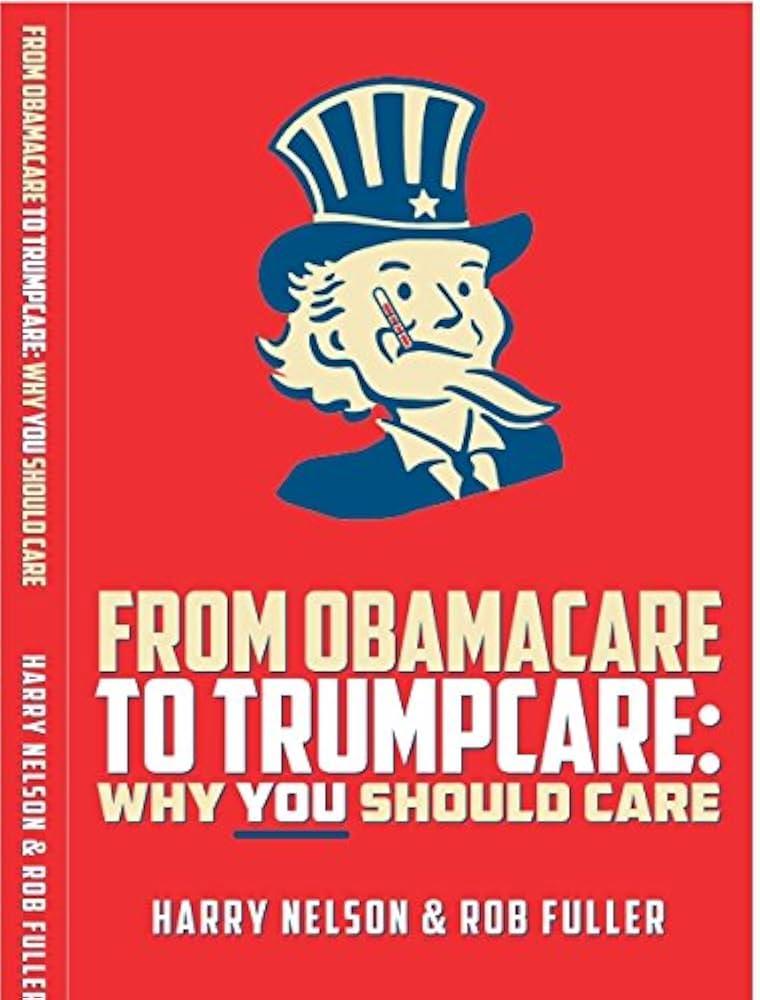
A High-Stakes Gamble On 'Trumpcare'
(MENAFN- The Arabian Post)

Millions of Americans are heading into 2026 facing sharply higher health-insurance costs. Employer-based insurance premiums are projected to rise by nearly 9 percent, marking the steepest increase in fifteen years. For families paying for their own coverage through public marketplaces created under the Affordable Care Act, the shock will likely be greater. Premiums on those plans are expected to jump by roughly 26 percent, and enhanced subsidies that helped cushion the blow for many households are poised to expire. Against this backdrop the administration of Donald J. Trump is pitching a new model, commonly dubbed“Trumpcare,” as a solution that would give individuals more control and ostensibly save money. The question for millions of Americans is whether this vision will offer relief - or make an increasingly costly system even worse.
Trumpcare envisions redirecting federal funds away from insurers and instead giving a cash allocation directly to individuals, often via health savings accounts or flexible spending arrangements. The intention is to let people choose their coverage more freely, and to eliminate what supporters view as inefficiencies and middle-man costs tied to traditional insurance. The White House has supplemented that effort with a push for greater transparency in health care pricing so patients can better compare costs across hospitals and insurers. On paper, it suggests a leaner system with room for market competition, ideally lower premiums, and a stronger sense of ownership over one's health spending.
Yet the gaps in the plan remain wide, and experts warn of troubling consequences if the transition is mishandled. For one thing, health savings accounts may appeal mainly to younger, relatively healthy Americans. Those with chronic conditions - diabetes, heart disease, or other costly treatments - might find that a modest lump-sum subsidy leaves them underinsured or forces them to absorb high out-of-pocket costs. If healthier people abandon more robust insurance plans for cheaper minimal coverage, the risk pool left behind is likely to worsen. Insurers, facing a less balanced pool with a greater share of high-cost individuals, could hike premiums or exit markets altogether - triggering what analysts call a“death spiral.” That outcome would leave the most vulnerable worse off, undermining the promise of savings.
See also Hong Kong Tower Blaze Claims DozensTrumpcare would likely reverse many of the protections built into the ACA. The original law was designed with requirements - covering preexisting conditions, limiting lifetime caps and mandating a minimum level of benefits - precisely to ensure insurance remained meaningful and accessible. The proposed shift under Trumpcare moves away from those protections, trading them for flexibility and cost reductions that may be superficial for many families. State block-grant funding and caps on Medicaid expansion, both cornerstones of Trump's policy blueprint, would further shrink the social safety net - risking millions losing access to affordable health insurance altogether.
Politically, the stakes are high for Trump and his party. As premiums climb and subsidies vanish, pressure is mounting on Congress to act. A temporary extension of ACA subsidies is being floated, but internal divisions among Republicans make consensus elusive. Some lawmakers cautiously support a two-year bridge, while others insist on overhauling the system entirely to reflect Trumpcare principles. That division underscores a deeper reality: the Republican Party has yet to land on a unified alternative to ACA that balances cost, coverage and equity.
For individuals and families, the uncertainty is already translating to anxiety. For those relying on marketplace plans, the 2026 enrollment season could be a reckoning - forcing choices between sharply higher premiums, skipping coverage altogether, or risking inadequate protection under a slimmed-down plan. For states and insurers, financial pressure, regulatory upheaval and rising premiums may further strain a system already coping with rising healthcare demands and costs.
Notice an issue? Arabian Post strives to deliver the most accurate and reliable information to its readers. If you believe you have identified an error or inconsistency in this article, please don't hesitate to contact our editorial team at editor[at]thearabianpost[dot]com. We are committed to promptly addressing any concerns and ensuring the highest level of journalistic integrity.

Legal Disclaimer:
MENAFN provides the
information “as is” without warranty of any kind. We do not accept
any responsibility or liability for the accuracy, content, images,
videos, licenses, completeness, legality, or reliability of the information
contained in this article. If you have any complaints or copyright
issues related to this article, kindly contact the provider above.
Most popular stories
Market Research

More Story








Comments
No comment