




403
Sorry!!
Error! We're sorry, but the page you were looking for doesn't exist.
ASTM A516 Vs A36, A572, Q355: Choosing The Right Steel Plate For Modern Construction
| Steel | Applications |
| ASTM A516 | Load-bearing plates, bridge components, low-temperature structures, pressure-support elements |
| A36 | Standard beams, columns, and basic structural frames |
| A572 | High-rise building beams, industrial plants, bridges, weather-resistant structures |
| Q355 | Industrial buildings, warehouses, bridges, load-bearing plates |
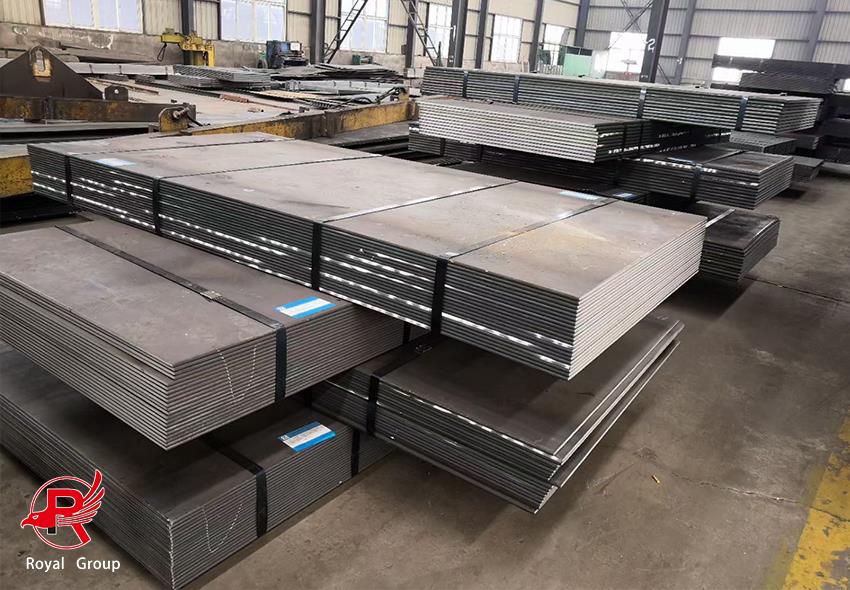
Processing and Weldability
A516's excellent weldability and formability allow it to be shaped into thick load-bearing plates, welded joints, and reinforced structural components. A36 is easy to process but less suitable for heavy-load or long-span applications. A572 and Q355 provide high strength but require careful welding control for thick sections.
Choosing the Right Steel
For modern construction projects, engineers increasingly consider ASTM A516 when structural components need both strength and low-temperature performance. For general building frameworks, A36 remains a cost-effective choice. Meanwhile, A572 and Q355 are preferred for high-rise structures, bridges, and industrial buildings where high strength and durability are critical.
As construction standards rise globally, understanding the subtle differences among steel grades is essential to optimize safety, cost, and performance in any project.

Legal Disclaimer:
MENAFN provides the
information “as is” without warranty of any kind. We do not accept
any responsibility or liability for the accuracy, content, images,
videos, licenses, completeness, legality, or reliability of the information
contained in this article. If you have any complaints or copyright
issues related to this article, kindly contact the provider above.
Most popular stories
Market Research

More Story







Comments
No comment