



403
Sorry!!
Error! We're sorry, but the page you were looking for doesn't exist.
Can Classrooms Save Kashmir's Kitchens?
(MENAFN- Kashmir Observer)
Representational photo
Representational photo
By Shafat Ahmad Khan
The recent seizure of over 13,000 kilograms of contaminated meat in Jammu and Kashmir has left people shocked and worried. Reports say the meat contained formalin and cancer-causing dyes.
The news spread fast, and within days, restaurants emptied and people began questioning what was really on their plates.
ADVERTISEMENTIt was more than a case of failed regulation. It showed how little many people know about the food they eat every day.
Food adulteration has become a silent danger. From chemical-laced meat to unsafe dairy and vegetables, the problem runs deep.
The Food Safety and Standards Authority of India (FSSAI) estimates that foodborne diseases cost India nearly ₹15,000 crore every year. In Jammu and Kashmir alone, more than 67,000 cancer cases were reported between 2018 and 2024.
Doctors say unsafe food and poor diet are major reasons behind these growing health problems.
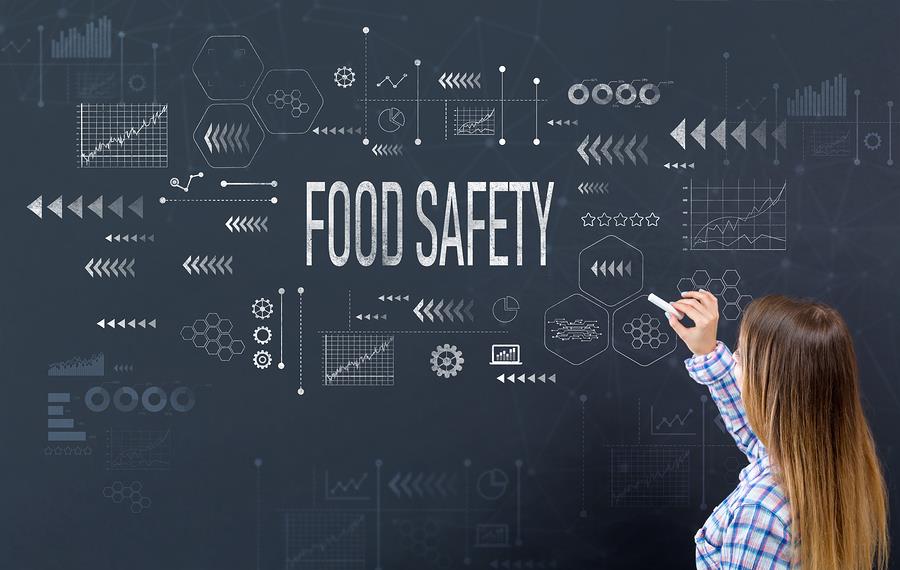
These numbers show that better policing is not enough. Kashmir needs a long-term solution that begins with awareness. The best way to build that awareness is through education.
If young people learn how food systems work, how contamination happens, and what safe eating means, they can grow into informed consumers and responsible citizens.
A mandatory Food Safety and Nutrition Curriculum in schools can make that happen.
Starting from Class 6, students can learn how food is grown, processed, and stored. They can be taught to identify spoilt or adulterated items through smell, colour, or texture. Lessons can also explain why certain additives are dangerous and why locally sourced, fresh foods are healthier.
This kind of education can help students protect their families and shape better habits in their communities.
The idea has worked elsewhere. In the United States, schools added food safety lessons as part of the Food Safety Modernization Act. Communities that joined the program saw a 15 percent drop in foodborne illness cases. In Germany and France, similar programs reduced school-related outbreaks by 20 percent.
These examples show that food education changes behaviour and helps prevent illness before it starts.
Legal Disclaimer:
MENAFN provides the
information “as is” without warranty of any kind. We do not accept
any responsibility or liability for the accuracy, content, images,
videos, licenses, completeness, legality, or reliability of the information
contained in this article. If you have any complaints or copyright
issues related to this article, kindly contact the provider above.
Most popular stories
Market Research

More Story






Comments
No comment