




403
Sorry!!
Error! We're sorry, but the page you were looking for doesn't exist.
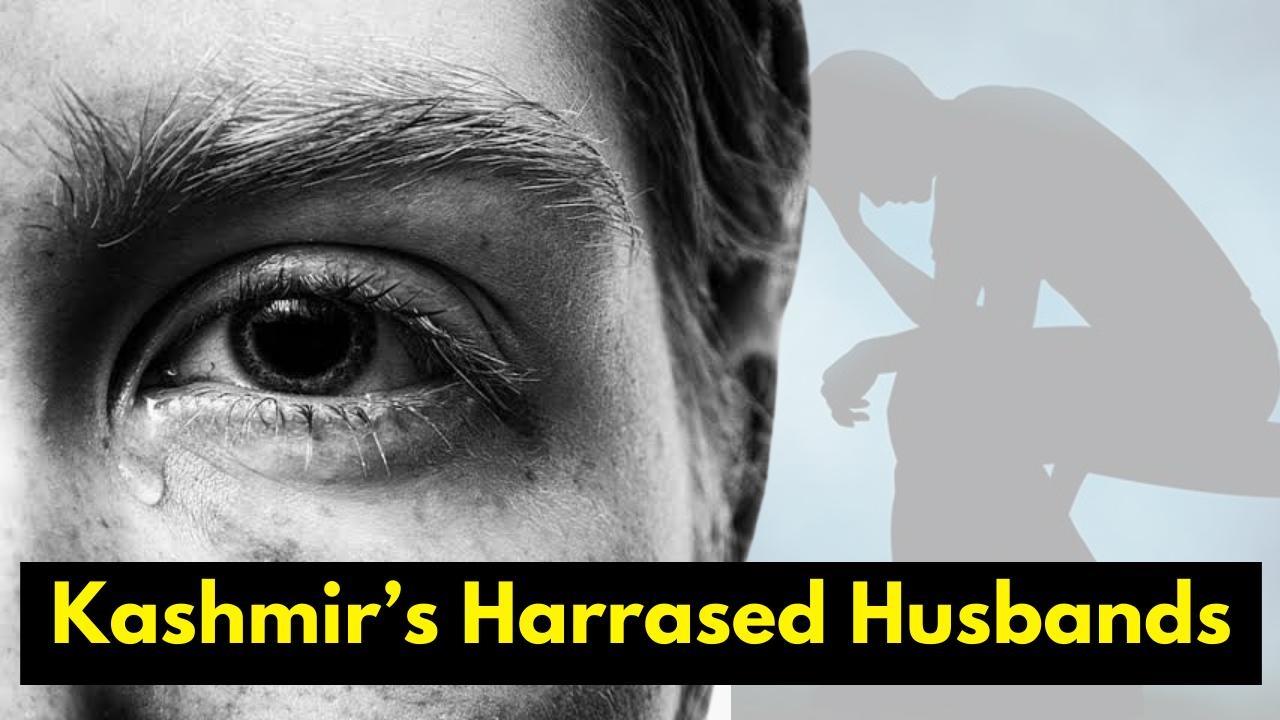
In Kashmir, Men Battle Silent Suffering In Matrimonial Disputes
(MENAFN- Kashmir Observer)
Representational Photo
Representational Photo
By M.M. Shuja
On a grey autumn morning in South Kashmir, Riyaz (name changed), a government schoolteacher, was taken into a local police station after his wife accused him of domestic violence. The case fell under Section 498A of the Indian Penal Code, which criminalizes cruelty by a husband or his relatives. His alleged crime: questioning his wife's frequent overnight stays at her parental home without informing him.
“The officer didn't even listen to my side,” Riyaz said.“They just filed the complaint. I spent two nights in custody.”
That was two years ago. The case is still dragging in court, and Riyaz has been suspended from his job. He hasn't seen his two sons since.
In Kashmir, as across India, Section 498A was introduced to protect women from dowry-related abuse. But some legal voices and men's rights advocates argue the law is now being misused in cases where disputes are less about cruelty and more about personal vendettas.
Read Also Shelter Homes For Women Under DV Act: HC Grants Govt Week's Time For Affidavit, Else Director SWD To Appear In-Person How Domestic Violence Silently Strips Children Of Their Inheritance“Justice must be gender-neutral,” said Advocate Shafqat Nazir, who practices at the J&K High Court.“We see rising instances where the law is used as a weapon, not a shield. And it's the silence of the men that makes these stories invisible.”
According to Nazir, it often starts with marital disagreements, arguments over lifestyle choices, financial obligations, or in-laws. But once a complaint is filed, it can spiral.“A man is guilty until proven innocent. That's the reality on the ground,” he said.
In Srinagar's Civil Court, Advocate Shabir Ahmad Bhat has witnessed numerous such cases over two decades.“There are men who've lost everything-their homes, jobs, children. The emotional toll is never calculated,” he said.
He recalled a case involving a local businessman whose wife accused him of mental and physical torture. During proceedings, it was revealed she had filed similar complaints against two previous husbands.“Still, the man was jailed for three months before the truth surfaced,” Bhat said.
In Kashmir's joint family system, tensions between wives and in-laws often lead to deeper fractures.“Sometimes, it's not the husband but his parents who are targeted,” Bhat added.“There's pressure to leave the joint family, to transfer property, or to send money. And if not, then the threat of police action looms.”
Yet, not all complaints are false. Women's rights activists stress that Section 498A remains a vital safeguard in a deeply patriarchal society where many women still face real abuse.
“Misuse must not overshadow genuine suffering,” said Mehnaz, a counselor with a local women's NGO.“But we do need better mechanisms to verify complaints before taking harsh action.”
The Supreme Court of India has acknowledged these concerns. In a landmark observation, the court warned against using Section 498A as a tool for revenge.“Vague allegations,” it noted,“can lead to abuse of the legal process.”
In response, some police units in Kashmir have adopted mediation before registering FIRs, especially in urban centers.“We try to understand both sides now,” said a senior officer in Srinagar's Women's Police Station.“But the pressure is real-from families, politicians, even activists.”
Still, stories like Riyaz's continue to unfold.
One evening in Pulwama, Farooq (name changed), a 28-year-old lab technician, was called to the station after his wife filed a harassment complaint. They had been married just eight months.“I had no clue what went wrong,” he said.“She left one day and then the legal notices started arriving.”
His parents, both in their 60s, were named co-accused.“We had to mortgage land to get bail,” Farooq said.“We live in fear now-of one wrong word, one misunderstood gesture.”
Legal scholars, like Supreme Court advocate Ashok Bhan, say reform is needed.“We must distinguish between genuine cases and those fueled by animosity. Every false complaint weakens the cause of justice for real victims.”
For now, the law remains unchanged.
In a valley where tradition and modernity often clash, marriage is no longer just a private bond. It is a potential legal battlefield. And while women continue to fight for rightful space in public life, a quiet group of men, mostly voiceless, are navigating their own fight for fairness.
“I am not against laws for women,” Riyaz said, holding a worn photograph of his sons.“But don't make me the villain just because I am a man.”
-
The author is a senior journalist and rights activist based in Kashmir.

Legal Disclaimer:
MENAFN provides the
information “as is” without warranty of any kind. We do not accept
any responsibility or liability for the accuracy, content, images,
videos, licenses, completeness, legality, or reliability of the information
contained in this article. If you have any complaints or copyright
issues related to this article, kindly contact the provider above.
Most popular stories
Market Research

More Story





Comments
No comment