




403
Sorry!!
Error! We're sorry, but the page you were looking for doesn't exist.
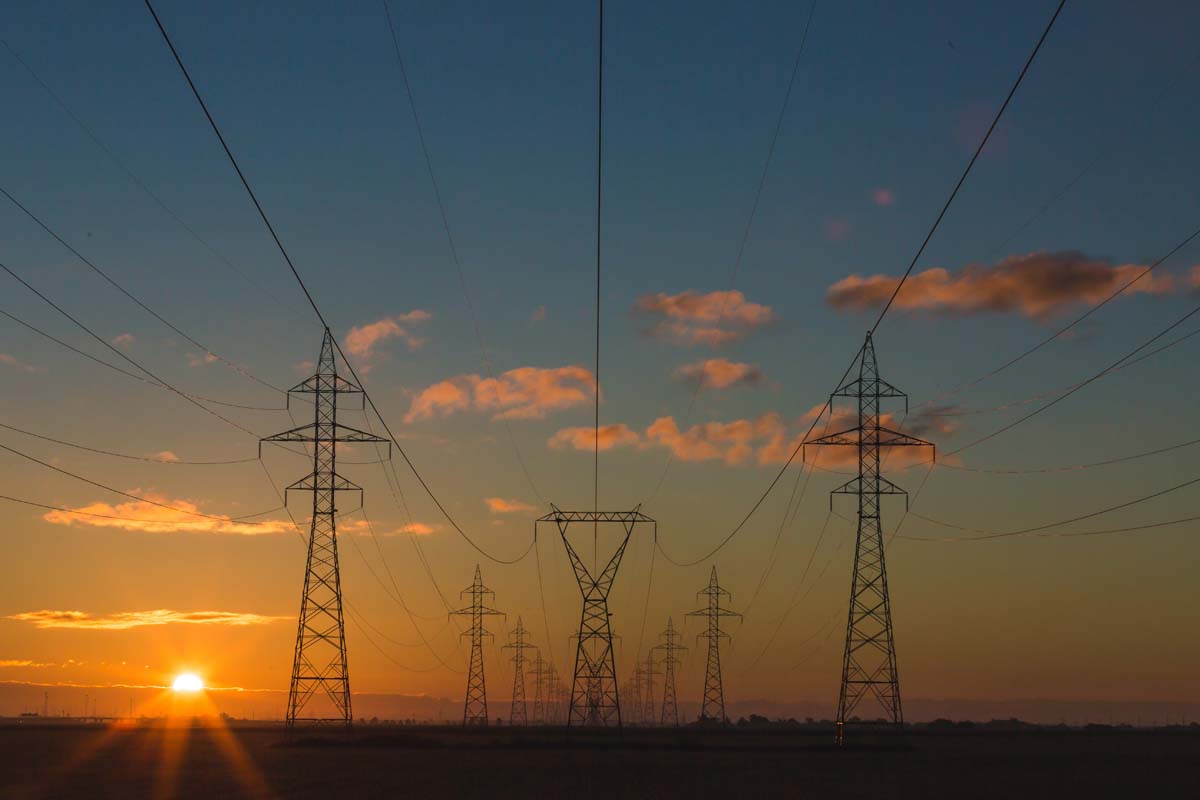
Israel expects 25 percent rise in gas exports to Egypt, Jordan in 2023
(MENAFN) In a statement released on Monday, Israel announced a notable surge in its gas supplies to Egypt and Jordan during 2023, showcasing a remarkable 25% increase despite initial disruptions at the onset of the conflict in Gaza. This uptick in exports signals a promising potential for further expansion of Israel's gas exports, underscoring its aspirations to position itself as a key player in the regional energy landscape.
With aspirations to become a significant regional energy hub, Israel has committed to supplying natural gas not only to neighboring countries but also to Europe, especially amidst the ongoing geopolitical tensions surrounding Ukraine and Russia. Israeli Energy Minister Eli Cohen emphasized the strategic importance of the natural gas market in fostering stability within the region, citing the substantial growth in exports to Egypt and Jordan as evidence of Israel's role in regional energy dynamics.
Looking ahead, Israel is actively exploring avenues to expand its gas exports, particularly to supply the European market. The Ministry of Energy revealed considerations of leveraging existing Egyptian gas liquefaction facilities or potentially constructing local facilities to facilitate exports to Europe. This strategic move aligns with Israel's broader vision of diversifying its export markets and maximizing the economic potential of its natural gas resources.
Key to Israel's export success are its offshore gas fields, notably the Leviathan field managed by Chevron in partnership with Israeli entities. In 2023, the Leviathan field alone produced 6.29 billion cubic meters for Egypt and 2.71 billion cubic meters for Jordan, highlighting its significant contribution to regional energy security and cooperation. Additionally, the nearby Tamar field also played a vital role, exporting a total of 2.56 billion cubic meters, with the majority directed towards Egypt.
Israel's increasing presence in the natural gas market not only strengthens its economic position but also enhances its geopolitical influence in the region. By fostering closer energy ties with neighboring countries and exploring opportunities for expanded exports, Israel seeks to capitalize on its energy resources to promote stability and prosperity both domestically and across the wider Middle East. As the country continues to navigate complex geopolitical dynamics, its role as an energy supplier holds significant implications for regional dynamics and global energy markets alike.
With aspirations to become a significant regional energy hub, Israel has committed to supplying natural gas not only to neighboring countries but also to Europe, especially amidst the ongoing geopolitical tensions surrounding Ukraine and Russia. Israeli Energy Minister Eli Cohen emphasized the strategic importance of the natural gas market in fostering stability within the region, citing the substantial growth in exports to Egypt and Jordan as evidence of Israel's role in regional energy dynamics.
Looking ahead, Israel is actively exploring avenues to expand its gas exports, particularly to supply the European market. The Ministry of Energy revealed considerations of leveraging existing Egyptian gas liquefaction facilities or potentially constructing local facilities to facilitate exports to Europe. This strategic move aligns with Israel's broader vision of diversifying its export markets and maximizing the economic potential of its natural gas resources.
Key to Israel's export success are its offshore gas fields, notably the Leviathan field managed by Chevron in partnership with Israeli entities. In 2023, the Leviathan field alone produced 6.29 billion cubic meters for Egypt and 2.71 billion cubic meters for Jordan, highlighting its significant contribution to regional energy security and cooperation. Additionally, the nearby Tamar field also played a vital role, exporting a total of 2.56 billion cubic meters, with the majority directed towards Egypt.
Israel's increasing presence in the natural gas market not only strengthens its economic position but also enhances its geopolitical influence in the region. By fostering closer energy ties with neighboring countries and exploring opportunities for expanded exports, Israel seeks to capitalize on its energy resources to promote stability and prosperity both domestically and across the wider Middle East. As the country continues to navigate complex geopolitical dynamics, its role as an energy supplier holds significant implications for regional dynamics and global energy markets alike.

Legal Disclaimer:
MENAFN provides the
information “as is” without warranty of any kind. We do not accept
any responsibility or liability for the accuracy, content, images,
videos, licenses, completeness, legality, or reliability of the information
contained in this article. If you have any complaints or copyright
issues related to this article, kindly contact the provider above.
Most popular stories
Market Research

More Story








Comments
No comment