






403
Sorry!!
Error! We're sorry, but the page you were looking for doesn't exist.
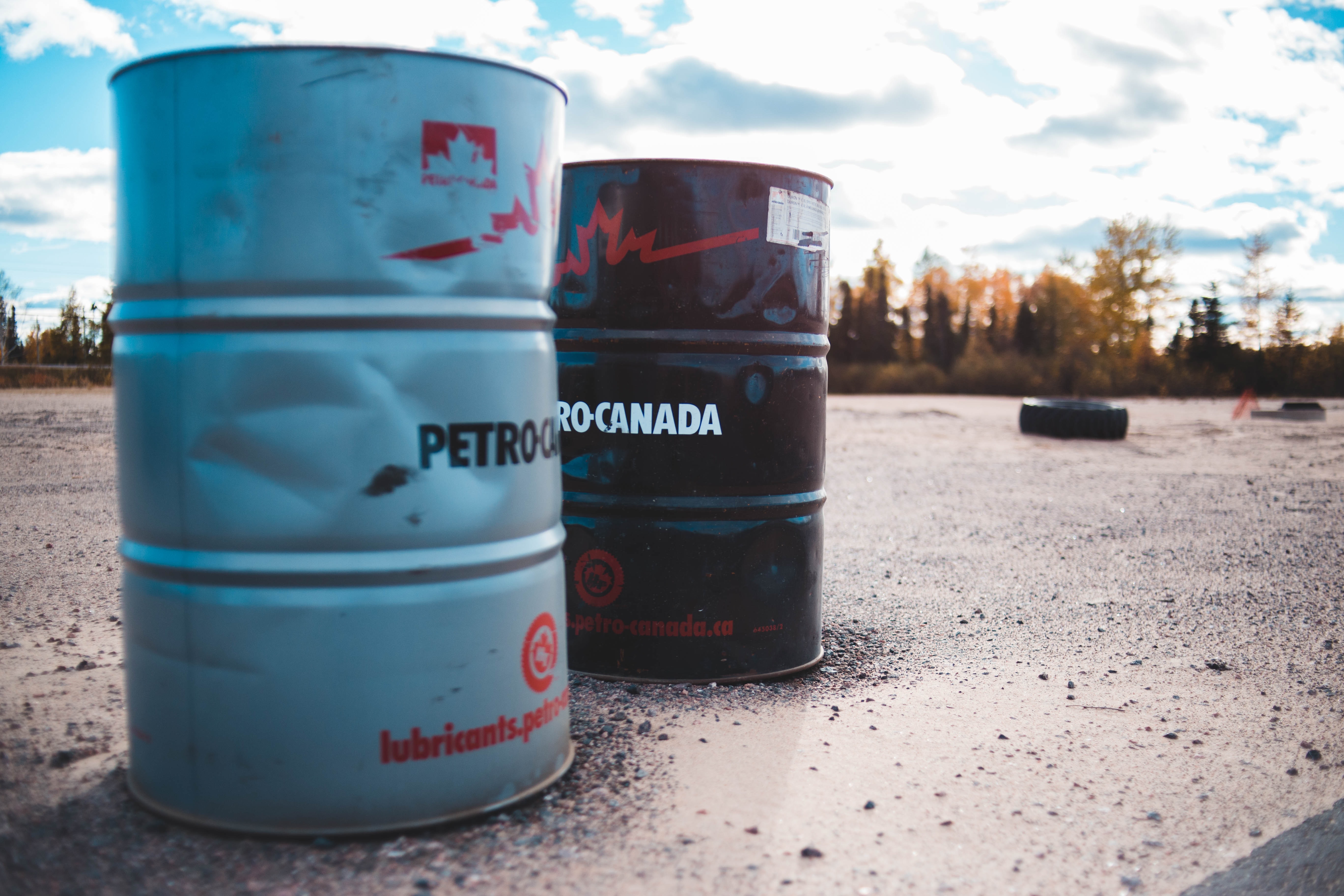
Questions around Middle East crisis effecting oil markets
(MENAFN) In the aftermath of the recent airstrikes in Yemen carried out by the United States and United Kingdom, concerns are mounting over the potential repercussions on the volatile oil markets.
While media reports paint a picture of escalating unrest, it is crucial to approach the situation with caution and resist premature assumptions of a significant spike in oil prices. The 4 percent surge in crude oil futures witnessed on Friday is well within the bounds of typical market fluctuations, emphasizing the need for a pragmatic assessment.
One must consider the intricate dynamics at play, as trading algorithms recalibrate in response to unfolding events in the Red Sea, a region currently navigating uncharted waters.
Challenging prevailing market complacency becomes essential in this context. Historical instances, such as the 2019 attack on Saudi oil infrastructure at Abqaiq, resulted in a short-lived surge in crude prices. However, the present situation differs, as the market awaits tangible, physical supply interruptions, distinct from the incidents in the Red Sea. Despite the recent escalation with the United States and the United Kingdom responding to events, the market has only experienced a modest uptick, reflecting the current perception that there is no significant supply loss.
It is imperative to recognize that until tangible disruptions are evident, a sustained and meaningful premium in crude geopolitical risk remains unlikely. The oil market, perhaps understandably but erroneously, appears to downplay the risk associated with the Hamas-Israel conflict disrupting oil supply. This is especially pertinent given the potential implications for Iran. Another factor under close scrutiny is the situation in Lebanon, where the looming possibility of an Israeli-Lebanese war presents the potential for a significant shake-up in the oil landscape.
As geopolitical tensions continue to unfold in the Middle East, stakeholders in the global oil market find themselves at a critical juncture. The need for a nuanced understanding of the current dynamics, coupled with a careful examination of historical precedents, becomes paramount in anticipating and navigating potential impacts on oil markets. The intersection of political events, market forces, and regional conflicts underscores the complex nature of the energy landscape, demanding a vigilant and informed approach to assess the evolving situation and its ramifications on the global economy.
While media reports paint a picture of escalating unrest, it is crucial to approach the situation with caution and resist premature assumptions of a significant spike in oil prices. The 4 percent surge in crude oil futures witnessed on Friday is well within the bounds of typical market fluctuations, emphasizing the need for a pragmatic assessment.
One must consider the intricate dynamics at play, as trading algorithms recalibrate in response to unfolding events in the Red Sea, a region currently navigating uncharted waters.
Challenging prevailing market complacency becomes essential in this context. Historical instances, such as the 2019 attack on Saudi oil infrastructure at Abqaiq, resulted in a short-lived surge in crude prices. However, the present situation differs, as the market awaits tangible, physical supply interruptions, distinct from the incidents in the Red Sea. Despite the recent escalation with the United States and the United Kingdom responding to events, the market has only experienced a modest uptick, reflecting the current perception that there is no significant supply loss.
It is imperative to recognize that until tangible disruptions are evident, a sustained and meaningful premium in crude geopolitical risk remains unlikely. The oil market, perhaps understandably but erroneously, appears to downplay the risk associated with the Hamas-Israel conflict disrupting oil supply. This is especially pertinent given the potential implications for Iran. Another factor under close scrutiny is the situation in Lebanon, where the looming possibility of an Israeli-Lebanese war presents the potential for a significant shake-up in the oil landscape.
As geopolitical tensions continue to unfold in the Middle East, stakeholders in the global oil market find themselves at a critical juncture. The need for a nuanced understanding of the current dynamics, coupled with a careful examination of historical precedents, becomes paramount in anticipating and navigating potential impacts on oil markets. The intersection of political events, market forces, and regional conflicts underscores the complex nature of the energy landscape, demanding a vigilant and informed approach to assess the evolving situation and its ramifications on the global economy.

Legal Disclaimer:
MENAFN provides the
information “as is” without warranty of any kind. We do not accept
any responsibility or liability for the accuracy, content, images,
videos, licenses, completeness, legality, or reliability of the information
contained in this article. If you have any complaints or copyright
issues related to this article, kindly contact the provider above.
Most popular stories
Market Research

More Story








Comments
No comment